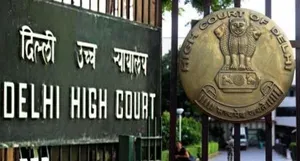
Delhi HC lifts stay on charge framing in 2020 Delhi riots conspiracy case
Synopsis
The Delhi High Court has lifted the stay blocking charge framing in the 2020 North-East Delhi riots conspiracy case — a pivotal legal move that now allows the trial court to formally define the accusations against Devangana Kalita and other accused. The ruling arrives as the Supreme Court separately wrestles with whether UAPA's bail restrictions can survive prolonged incarceration.
Key Takeaways
The Delhi High Court on 5 June vacated its September 2024 interim stay, allowing the trial court to pass a final order on charge framing in the 2020 North-East Delhi riots conspiracy case.
Justice Neena Bansal Krishna dismissed activist Devangana Kalita 's plea seeking access to video recordings of anti-CAA-NRC protests and WhatsApp chats of police groups.
The court did allow Kalita to inspect the malkhana — the police evidence storage facility — including unrelied documents.
The Supreme Court earlier this year dismissed bail pleas of Umar Khalid and Sharjeel Imam , while granting bail to five other accused under the UAPA case.
A larger Bench question on whether prolonged incarceration justifies bail under Section 43D(5) of the UAPA remains pending before the Supreme Court.
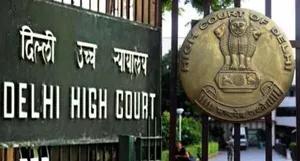
The Delhi High Court on Friday, 5 June cleared the path for the trial court to pass its final order on the framing of charges in the alleged larger conspiracy case linked to the 2020 North-East Delhi riots, after dismissing a plea filed by activist Devangana Kalita seeking access to video recordings and WhatsApp chats relied upon by the prosecution.
What the Court Decided
A single-judge Bench of Justice Neena Bansal Krishna vacated an interim order dated 12 September 2024, which had restrained the trial court from passing any final order on charges while allowing it to continue hearing arguments. With the dismissal of Kalita's plea, that protection has now been lifted, enabling the trial court to proceed to its final ruling on charge framing.
However, the High Court did allow a separate application filed by Kalita, granting her permission to inspect the malkhana — the police storage facility where physical evidence, seized material, and unrelied documents are held.
What Kalita Had Sought
Kalita had contended that videos — allegedly recorded by an agency engaged by the Delhi Police through a tender process — were essential to her defence. She argued that the footage of anti-CAA-NRC protests could demonstrate her participation in peaceful demonstrations and support her discharge plea. The trial court had earlier declined her request for the complete CCTV footage of the North-East Delhi area and WhatsApp chats of police officer groups in the Unlawful Activities (Prevention) Act (UAPA) case.
Background: The Larger Conspiracy Case
According to the Delhi Police, several student activists involved in organising protests against the Citizenship Amendment Act (CAA) during 2019-2020 allegedly conspired to engineer the riots that erupted in North-East Delhi in February 2020. Kalita is among the accused in this larger conspiracy case. She was granted bail by the Delhi High Court in June 2021 alongside co-accused Natasha Narwal and Asif Iqbal Tanha, a decision subsequently upheld by the Supreme Court.
Recent Developments in Related Cases
The case has seen significant judicial activity in recent months. Earlier this year, the Supreme Court dismissed the bail pleas of Umar Khalid and Sharjeel Imam, holding that prosecution material disclosed prima facie grounds attracting the statutory embargo on bail under Section 43D(5) of the UAPA. At the same time, the apex court granted bail to five other accused — Gulfisha Fatima, Meeran Haider, Shifa Ur Rehman, Mohd Saleem Khan, and Shadab Ahmed.
More recently, the Supreme Court granted six months' interim bail to Tasleem Ahmed and Khalid Saifi, while referring to a larger Bench the question of whether prolonged incarceration and trial delays can justify bail despite UAPA's Section 43D(5) restrictions — a constitutional question with far-reaching implications for undertrial detainees across the country.
Separately, the Delhi High Court last month granted bail to Salim Malik alias Munna, observing that his alleged role was that of a local-level facilitator rather than a key conspirator. A Division Bench of the High Court has also reserved its verdict on the bail plea of accused Athar Khan, after orally noting that WhatsApp chats on record prima facie indicated his active involvement in the alleged conspiracy.
What Happens Next
With the stay vacated, the trial court is now free to frame charges — a critical procedural milestone that formally defines the accusations each accused must face at trial. The charge-framing order will determine the precise legal contours of the prosecution's case and could influence the bail status of those still in custody.
Point of View
And its delay has been one reason the case has stretched over five years. Yet the larger legal question the Supreme Court is now sitting on — whether UAPA's near-absolute bail bar can withstand indefinite pre-trial detention — is the one that will define this case's legacy. Framing charges against Kalita while that constitutional question remains unresolved creates an asymmetry: the trial moves forward, but the foundational fairness of UAPA's detention architecture remains contested. Mainstream coverage tends to focus on individual bail outcomes; the more durable story is whether India's anti-terror law, as applied to protest-linked cases, meets the proportionality standards the Constitution demands.
NationPress
19 Sept 2026
Frequently Asked Questions
What did the Delhi High Court decide in the Delhi riots conspiracy case on 5 June?
The Delhi High Court vacated its September 2024 interim stay, allowing the trial court to pass a final order on the framing of charges in the 2020 North-East Delhi riots larger conspiracy case. The court dismissed activist Devangana Kalita's plea seeking access to video recordings and WhatsApp chats relied upon by the prosecution.
Who is Devangana Kalita and what was she seeking?
Devangana Kalita is an activist and accused in the larger conspiracy case linked to the February 2020 North-East Delhi riots. She had sought access to videos of anti-CAA-NRC protests — allegedly recorded by an agency engaged by Delhi Police — and WhatsApp chats of police groups, arguing the material was essential to demonstrate her participation in peaceful protests and support her discharge plea.
What is the significance of charge framing in this case?
Framing of charges is a critical procedural milestone in criminal trials — it formally defines the specific accusations each accused must answer, marking the formal commencement of the trial proper. In this case, it will determine the precise legal scope of the prosecution's conspiracy allegations under the UAPA.
What is the current status of bail for other accused in the Delhi riots case?
The Supreme Court earlier this year dismissed bail pleas of Umar Khalid and Sharjeel Imam under UAPA's Section 43D(5), while granting bail to five accused including Gulfisha Fatima and Meeran Haider. The apex court also granted six months' interim bail to Tasleem Ahmed and Khalid Saifi, and has referred the broader question of whether prolonged incarceration justifies bail under UAPA to a larger Bench.
What is the UAPA and why does Section 43D(5) matter in this case?
The Unlawful Activities (Prevention) Act (UAPA) is India's primary anti-terror legislation. Section 43D(5) sets a very high bar for bail — courts cannot grant it if prosecution material prima facie discloses involvement in the offence. In the Delhi riots case, this provision has been central to why several accused have remained in custody for years, and the Supreme Court is now examining whether indefinite pre-trial detention under this clause is constitutionally sustainable.