What Action Did Delhi HC Direct Against Illegal Cafes and Restaurants?

Synopsis
The Delhi High Court has ordered the DDA and MCD to combat unauthorized establishments in Majnu Ka Tila and New Aruna Nagar. This ruling follows concerns over safety and structural violations. Authorities are urged to act within three months. Discover how this decision impacts local businesses and community safety.
Key Takeaways
The Delhi High Court has mandated action against illegal establishments.
Safety regulations and building codes must be enforced.
Authorities have a three-month deadline to address concerns.
Public safety is a priority in regulatory compliance.
Unauthorized structures pose significant risks to community safety.
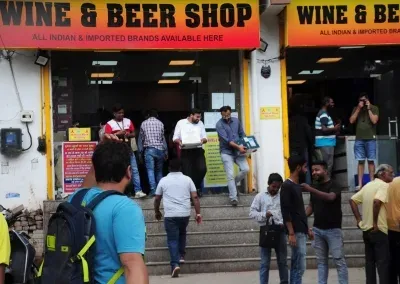
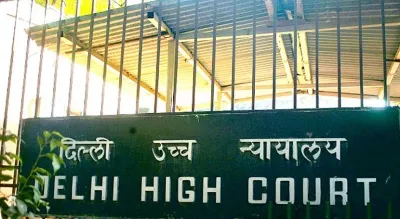
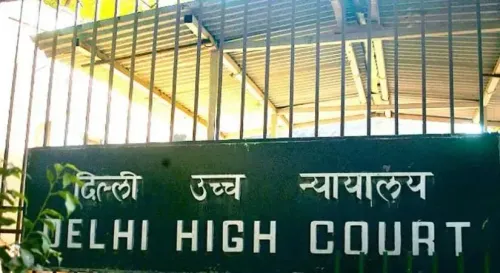
New Delhi, Dec 24 (NationPress) The Delhi High Court has instructed the Delhi Development Authority (DDA), Municipal Corporation of Delhi (MCD), and the city government to take necessary actions against cafes, bars, nightclubs, restaurants, and hotels that are operating in Majnu Ka Tila and New Aruna Nagar without proper sanctioned building plans and in breach of safety regulations.
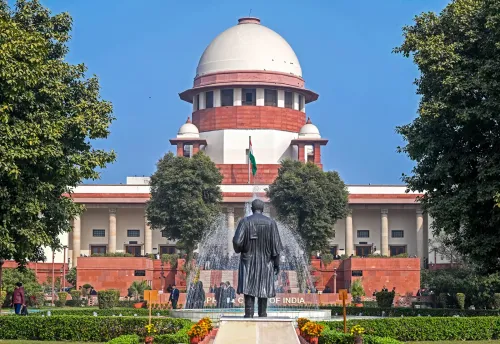
A Bench led by Chief Justice Devendra Kumar Upadhyaya and Justice Tushar Rao Gedela was reviewing a public interest litigation (PIL) that raised alarms regarding unauthorized commercial entities functioning in multi-storey structures along the banks of the Yamuna River.
The petition requested directives to inspect and take action against establishments such as cafes, hotels, and restaurants that are operating without the necessary approvals and sanctioned plans.
Additionally, it urged the Delhi High Court to instruct the MCD and the Delhi Fire Services to implement the National Building Code alongside relevant fire safety regulations in the region.
During the proceedings, the DDA's counsel informed the Chief Justice-led Bench that a suo motu complaint had already been lodged on the special task force's portal.
Taking this into account, the Delhi High Court concluded the plea, instructing the relevant authorities to act according to the law after examining the concerns raised by the petitioners.
“Given that a suo motu complaint has already been filed by the DDA, we conclude the petition with instructions for the authorities to undertake necessary actions as per the law,” the Chief Justice's Bench ordered.
Furthermore, it urged the civic bodies to act swiftly, ideally within three months. The Delhi High Court also remarked during the session that “half of the Delhi University students are there,” prompting the authorities to ensure prompt action.
In a light-hearted comment, CJI Upadhyaya quipped, “Except the momo cart, everything shall be removed.”
The PIL pointed out that numerous structures in Majnu Ka Tila and New Aruna Nagar extend up to “7–8 floors, featuring illegal basements, rooftops, and leisure amenities,” arguing that the “structural and operational conditions of these buildings pose an immediate and life-threatening risk.”
Petitioners alleged that most buildings do not have staircases beyond the third or fourth floor, leaving “only small, low-capacity lifts as vertical access.”
Where staircases are present, they are reportedly “narrow, dark, and poorly maintained,” and many terraces or rooftops are obstructed or enclosed, providing visitors with no effective evacuation routes.
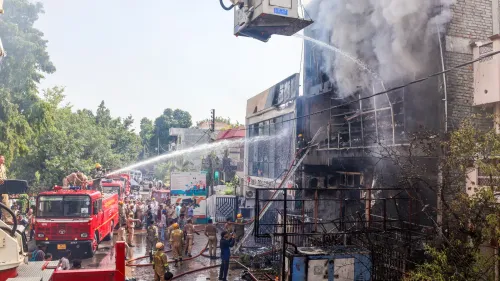
Citing a recent tragic nightclub fire in Goa, the plea warned that it serves as “a stark reminder of what could happen under similar conditions.”
Point of View
It is essential to recognize the significance of the Delhi High Court's ruling. This decision not only addresses public safety concerns but also emphasizes the need for regulatory compliance in the city’s burgeoning commercial landscape. Ensuring that establishments operate within legal frameworks is crucial for safeguarding lives and maintaining order.
NationPress
30 Sept 2026
Frequently Asked Questions
What did the Delhi High Court order regarding illegal cafes?
The Delhi High Court ordered the DDA and MCD to take action against illegal cafes, restaurants, and nightclubs operating without sanctioned building plans in Majnu Ka Tila and New Aruna Nagar.
Why is the ruling significant?
The ruling is significant as it addresses safety concerns associated with unauthorized establishments, ensuring that they comply with necessary regulations to protect public safety.
What was the timeline given to authorities for action?
The court directed the civic authorities to act promptly, ideally within three months.