Delhi L-G Sandhu reviews traffic management, pushes AI and community solutions
Synopsis
Delhi L-G T.S. Sandhu didn't just hold another review meeting — he laid out a multi-pronged blueprint: AI for 24/7 traffic monitoring, Resident Welfare Associations as local enforcement partners, and Project Sangam to crowdsource area-specific fixes. The signal is clear: Delhi's traffic problem is being reframed as a shared civic responsibility, not just a police matter.
Key Takeaways
Sandhu reviewed traffic management with senior police officers on 29 June , finalising area-specific strategies.
The review covered the Digital Enforcement Framework and plans to scale up Artificial Intelligence for peak-hour traffic monitoring.
Project Sangam , a citizen-centric initiative, was highlighted as a key tool for community-driven, area-specific traffic and parking solutions.
Sandhu stressed strict enforcement against wrong-side driving and unauthorised parking as sustained priorities.
Resident Welfare Associations and youth groups were identified as key partners in local traffic management.
The L-G linked seamless mobility to Delhi's goal of becoming a global hub for investment and tourism.
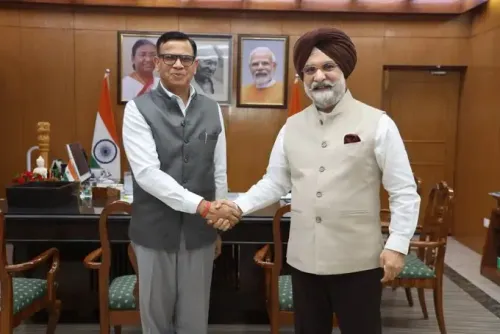
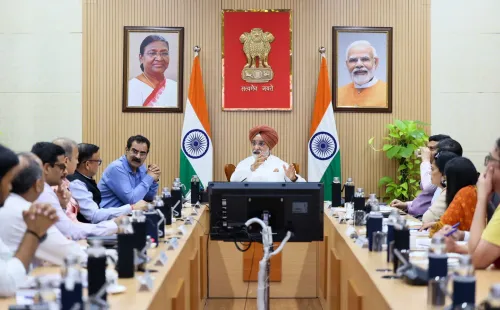
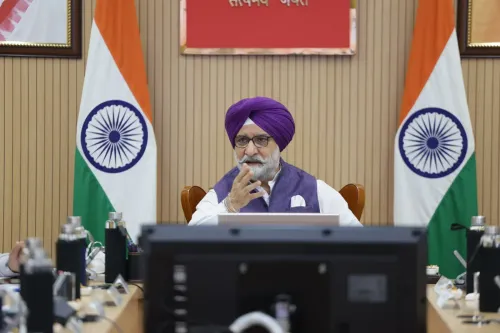
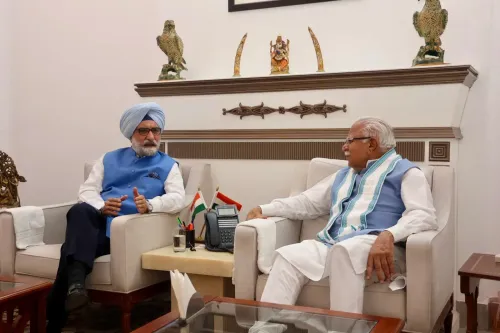
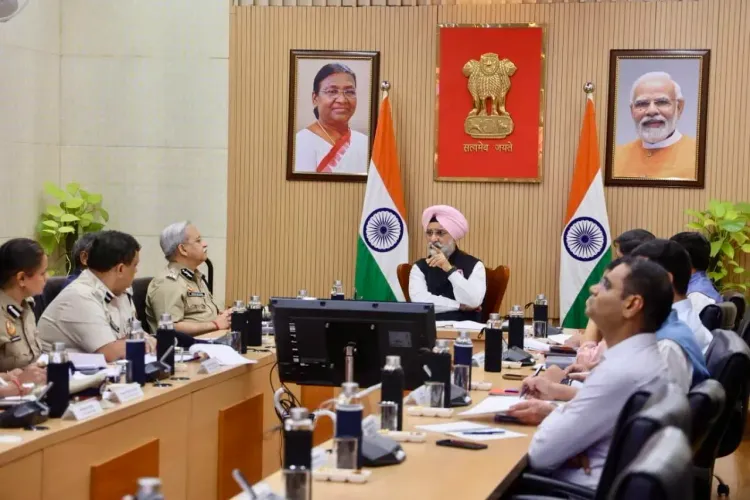
Delhi Lieutenant Governor T.S. Sandhu on Monday, 29 June held a high-level review of traffic management in the capital with senior police officers, finalising area-specific strategies centred on intelligent traffic management systems, AI-driven enforcement, and curbing illegal parking. The meeting underscored the administration's push to position Delhi as a congestion-free, globally competitive city.
Key Developments from the Review
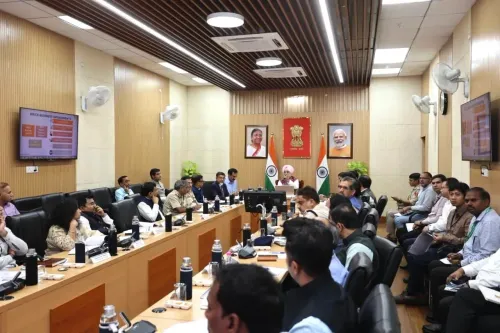
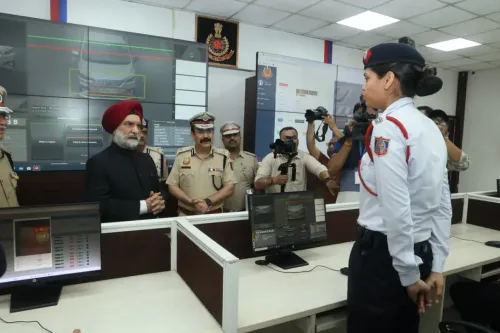
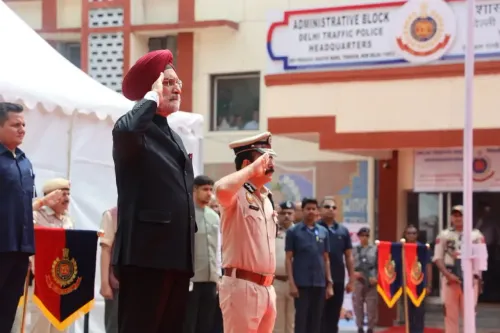
The L-G chaired discussions with Delhi Traffic Police officials, including the Commissioner of Police, Delhi, reviewing a detailed presentation on ongoing and planned interventions. The session covered targeted action at major congestion points, continuous engineering upgrades, and technology-driven enforcement tools. A separate session was held at the Todapur facility of Delhi Traffic Police, where progress on the Digital Enforcement Framework was assessed.
Sandhu directed the team to scale up the use of Artificial Intelligence for round-the-clock monitoring and scientific management of peak-hour traffic. He also stressed greater on-ground visibility of traffic police, particularly at identified congestion hotspots, to ensure smoother flow and act as a deterrent against violations.
What the L-G Said
In posts on social media platform X, Sandhu said, 'Targeted action to address major congestion points, combined with continuous engineering interventions and technology-driven solutions, has begun to deliver incremental improvements.' He added that strict enforcement against violations such as wrong-side driving and unauthorised parking 'must remain a sustained priority.'
On community engagement, the L-G highlighted Project Sangam — a citizen-centric initiative aimed at strengthening engagement with local residents to develop area-specific traffic and parking solutions. He directed the team to sustain momentum with a focus on future-ready infrastructure and advanced technologies.
Community and Youth Engagement Highlighted
Sandhu underlined the role of Resident Welfare Associations (RWAs) as key partners in local traffic and parking solutions, and called for greater youth engagement to provide tech-driven, practical inputs. He emphasised that traffic management is a shared responsibility between authorities and citizens.
The L-G also noted that traffic snarls not only waste time and fuel but worsen pollution — framing congestion as both a civic and environmental challenge. He reiterated the administration's commitment to transforming Delhi's mobility through advanced technology and active community participation.
Delhi's Competitiveness at Stake
Sandhu stressed that seamless mobility is central to Delhi's ambition of becoming a global hub for investment and tourism, and that the Delhi Traffic Police plays a critical role in achieving that goal. The L-G assured the force of full administrative support in its ongoing efforts to deliver a safe and efficient mobility experience for every citizen.
With AI-backed enforcement frameworks being scaled up and community partnerships deepening through Project Sangam, the administration's next steps will test whether these strategies translate into measurable relief on Delhi's chronically congested roads.
Point of View
Verifiable metrics — or remain aspirational frameworks that surface at the next review meeting. Delhi has seen technology-led traffic pledges before; execution and accountability are where they have historically stalled.
NationPress
28 Sept 2026
Frequently Asked Questions
What did Delhi L-G T.S. Sandhu discuss in the traffic management review?
L-G Sandhu reviewed strategies for reducing congestion across Delhi, including AI-powered enforcement, the Digital Enforcement Framework, and community engagement through Project Sangam. He also directed officials to strictly enforce rules against wrong-side driving and unauthorised parking.
What is Project Sangam in the context of Delhi traffic?
Project Sangam is a citizen-centric initiative by the Delhi Traffic Police aimed at engaging local residents, Resident Welfare Associations, and youth groups to develop area-specific traffic and parking solutions. L-G Sandhu directed the team to sustain and expand this programme.
How will AI be used in Delhi's traffic management?
The administration plans to scale up Artificial Intelligence for 24/7 transparent monitoring and scientific management of peak-hour traffic, as part of the Digital Enforcement Framework reviewed at the Todapur facility of Delhi Traffic Police.
Why is traffic management linked to Delhi's investment and tourism goals?
L-G Sandhu underlined that seamless mobility is key to Delhi's competitiveness as a global hub for investment and tourism. Chronic congestion, he noted, wastes time and fuel while also worsening pollution, making it both an economic and environmental priority.
Who were the key officials present at the traffic review meeting?
The review was attended by the Commissioner of Police, Delhi, and senior officials of Delhi Traffic Police. L-G Sandhu chaired the session, which included a detailed presentation by the traffic police department.