Delhi minister Kapil Mishra claims Punjab fields set ablaze at night amid stubble burning row
Synopsis
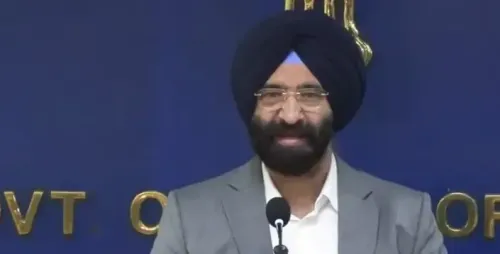
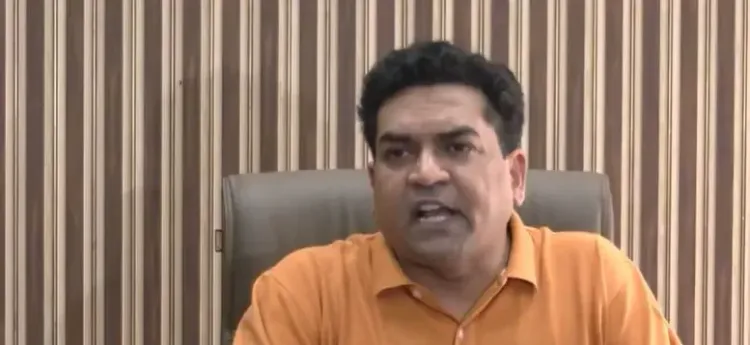
Delhi Minister Kapil Mishra has alleged that fields in Punjab are being set ablaze deliberately at night — not by farmers — citing AQI readings as alarming as 1,651 in Sangrur, Bhagwant Mann's hometown. The claim, made at a press conference on 9 November, also carries a political charge: Mishra accused AAP of politicising the stubble-burning crisis, even as Delhi reportedly posted its first post-Diwali pollution dip in three years.
Key Takeaways
Delhi Minister Kapil Mishra alleged on 9 November 2026 that fields in Punjab are being set on fire at night by unidentified individuals, not by farmers.
He cited ~1,200 stubble-burning incidents in Punjab on the evening of 7 November alone.
Sangrur , hometown of CM Bhagwant Mann , reportedly recorded an AQI of 1,651 ; Abohar hit 1,307 and Malout hit 1,238 .
Mishra claimed Delhi recorded a 1.33% decline in pollution levels between pre- and post-Diwali this year — the first such dip after increases of 43.33% in 2023 and ~10% in 2024.
He targeted AAP leader Arvind Kejriwal , alleging the stubble-burning issue is being politicised.
The allegations remain unverified; no official response from the Punjab government was recorded at time of the press conference.
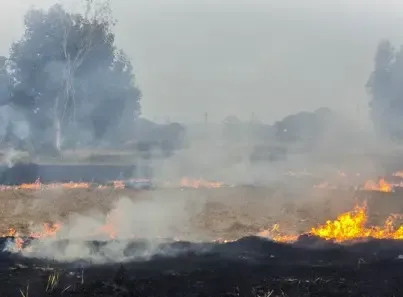
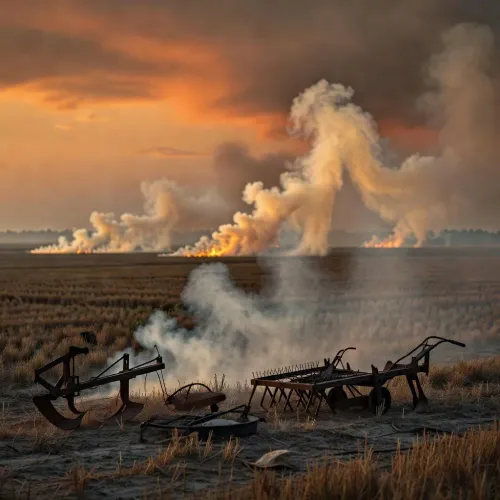
Delhi Minister Kapil Mishra on 9 November 2026 levelled serious allegations at a press conference, claiming that agricultural fields in Punjab are being deliberately set on fire under the cover of darkness — not by farmers themselves, but by unidentified individuals. The allegations come amid mounting concerns over air quality across northern India as the post-Diwali pollution season peaks.
What Mishra Alleged
Mishra said that multiple farmers from Punjab had contacted him and other Delhi ministers, reporting that their fields were being torched without their knowledge while they celebrated Diwali at home with their families. He acknowledged initial scepticism — questioning how anyone could suddenly ignite standing agricultural stubble — but said the volume and consistency of complaints compelled the government to take the matter seriously.
Mishra further claimed that approximately 1,200 incidents of stubble burning were reported across Punjab on the evening of 7 November alone, though he did not cite an independent source for the figure.
AQI Data Cited at the Press Conference
To underscore the severity of Punjab's air pollution, Mishra referred to Air Quality Index (AQI) readings from multiple cities. He claimed that Malout recorded an AQI of 1,238 at 5 am on Saturday, while Abohar reached 1,307. Most strikingly, he alleged that Sangrur — the hometown of Punjab Chief Minister Bhagwant Mann — logged an AQI of 1,651 on Monday morning. He also cited pollution data from Bathinda and other districts, arguing the figures raised serious questions about the state government's handling of the stubble-burning crisis.
Delhi's Pollution Trend: A Comparative Claim
Mishra used the press conference to draw a contrast between Punjab and Delhi's pollution trajectory. He said Delhi recorded a 43.33 per cent increase in pollution levels between the pre- and post-Diwali periods in 2023, and roughly 10 per cent in 2024. This year, he claimed, the city registered a 1.33 per cent decline between the two periods — which he described as the first such improvement in recent memory, attributing it to government action and public cooperation.
Political Targeting and the AAP Angle
Mishra did not limit his remarks to environmental data. He directly targeted Aam Aadmi Party (AAP) leader Arvind Kejriwal, alleging that the stubble-burning issue in Punjab — governed by the AAP — was being politicised. The charge adds another layer to an ongoing blame game between Delhi's ruling dispensation and AAP over responsibility for the capital's winter air quality crisis, a dispute that resurfaces every year between October and December.
Notably, Mishra himself is a former AAP leader who later joined the Bharatiya Janata Party (BJP), which currently governs Delhi — a political context relevant to assessing the partisan dimensions of his claims.
What Happens Next
The allegations are yet to be independently verified, and no official Punjab government response had been recorded at the time of the press conference. With AQI levels in Delhi's vicinity remaining dangerously high through November, the stubble-burning debate is expected to intensify in the weeks ahead, with pressure mounting on both state and central agencies to act.
Point of View
If accurate, are genuinely alarming and deserve scrutiny of Punjab's compliance machinery. But the framing — targeting AAP's Mann government and Kejriwal — means the press conference is simultaneously an indictment of a rival party's governance and a claim of credit for Delhi's own improvement. Mainstream coverage will treat the pollution numbers at face value; the more important question is whether any investigation will follow the arson allegation, or whether it will dissolve into the annual winter blame cycle.
NationPress
9 Nov 2026
Frequently Asked Questions
What did Delhi Minister Kapil Mishra allege about stubble burning in Punjab?
Kapil Mishra alleged at a press conference on 9 November 2026 that agricultural fields in Punjab are being deliberately set on fire at night by unidentified individuals — not by farmers — while the farmers were celebrating Diwali at home. He said repeated complaints from Punjab farmers prompted the Delhi government to take the matter seriously.
What AQI levels did Mishra cite for Punjab cities?
Mishra claimed Sangrur recorded an AQI of 1,651 on Monday morning, Abohar reached 1,307, and Malout hit 1,238 at 5 am on Saturday. He also referenced pollution data from Bathinda and other parts of Punjab to argue the situation was severe.
How does Delhi's post-Diwali pollution in 2026 compare to previous years?
According to Mishra, Delhi recorded a 43.33% increase in pollution between the pre- and post-Diwali periods in 2023, and around 10% in 2024. This year, he claimed, there was a 1.33% decline — which he described as the first such improvement in recent years.
Why did Mishra target Arvind Kejriwal and AAP at the press conference?
Mishra alleged that the stubble-burning crisis in Punjab — governed by the AAP — is being politicised. Punjab's handling of stubble burning is a recurring flashpoint because smoke from the state is a significant contributor to Delhi's winter air pollution, and both the AAP and BJP have traded blame over the issue for years.
Have the Punjab government or farmers' groups responded to Mishra's allegations?
No official response from the Punjab government was on record at the time of the press conference. The arson allegation — that fields are being set ablaze without farmers' knowledge — has not been independently verified by any investigative or regulatory body as of 9 November 2026.