Delhi-NCR temperatures to drop steadily this week; AQI improves to yellow-orange
Synopsis
Delhi-NCR is heading into a colder week — daytime highs dropping to 25°C by 20 November, fog alerts running through 22 November, and an AQI that has briefly improved to the yellow-orange range. The catch: meteorologists warn the cleaner air may not last, with cold winter air expected to trap pollutants again as temperatures keep falling.
Key Takeaways
The IMD forecasts a steady temperature decline across Delhi-NCR from 17 November , with daytime highs expected to fall from 27°C to 25°C by 20 November .
A moderate fog alert has been issued for the period 17–22 November ; visibility disruptions are likely during early mornings.
The AQI has improved to the yellow and orange categories , driven by stronger wind speeds dispersing pollutants.
Meteorologists warn the AQI improvement is likely temporary — colder, denser air expected in the coming days could trap pollutants and push pollution levels back up.
Minimum temperatures are forecast to stay around 13–14°C through 22 November , with daytime chills becoming more pronounced.
Temperatures across Delhi and the National Capital Region (NCR) are set to fall steadily through the coming days, according to the latest forecast issued by the India Meteorological Department (IMD) on 17 November. Both maximum and minimum readings are expected to decline, bringing a perceptible daytime chill alongside the customary cold mornings and evenings.
Day-by-Day Temperature Forecast
On Tuesday, 17 November, the maximum temperature is expected to touch 27 degrees Celsius, with the minimum hovering around 14 degrees. A marginal dip follows on Wednesday, 18 November, with a forecast high of 26 degrees and a low of 13 degrees.
Conditions are expected to remain dry on 19 November, with temperatures holding stable at a maximum of 26 degrees and a minimum of 13 degrees. The winter chill is forecast to intensify from 20 November onwards, when the daytime high is projected to slip to 25 degrees Celsius. By 21 and 22 November, both days are expected to record a maximum of 25 degrees and a minimum of approximately 14 degrees, marking a noticeably colder end to the month's third week.
Moderate Fog Alert Issued
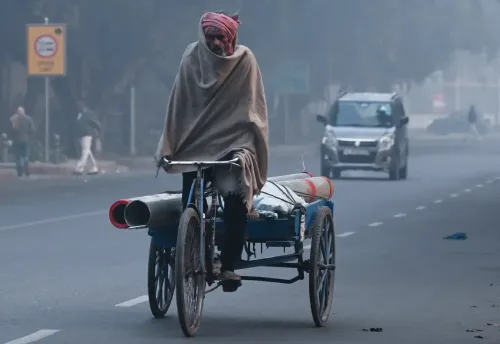
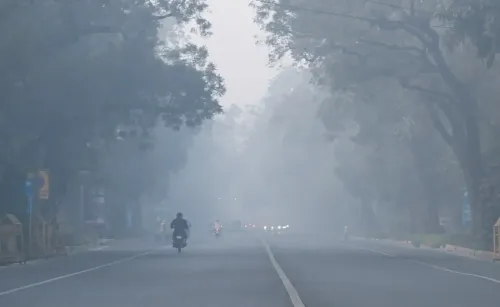
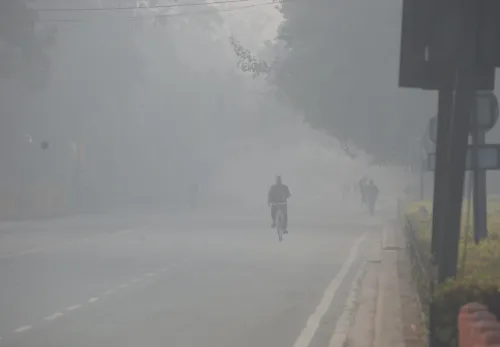
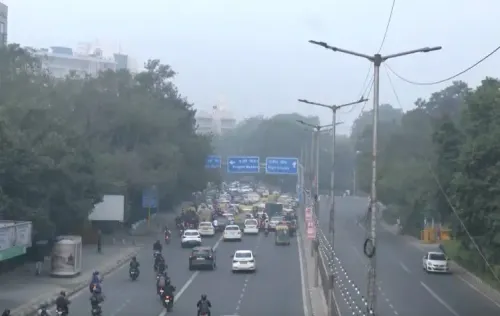
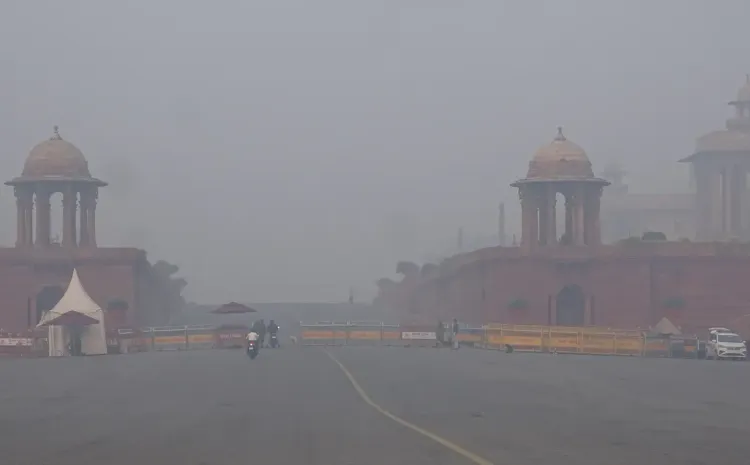
The IMD has issued a moderate fog alert covering the period from 17 November to 22 November. While no formal warning is currently in force, the department cautions that fog could affect visibility — particularly during early morning hours — and residents should factor this into travel plans. Fog typically becomes more persistent as night-time temperatures drop further, and this week's forecast trajectory makes recurrent morning fog a credible possibility across the region.
AQI Moves Into Yellow and Orange Zones
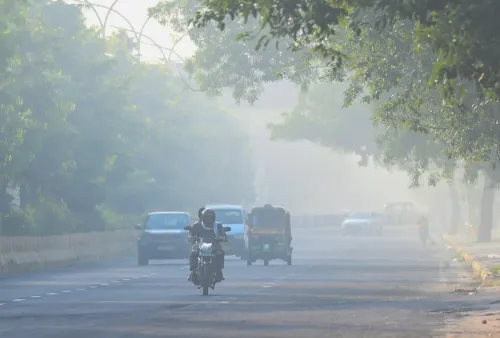
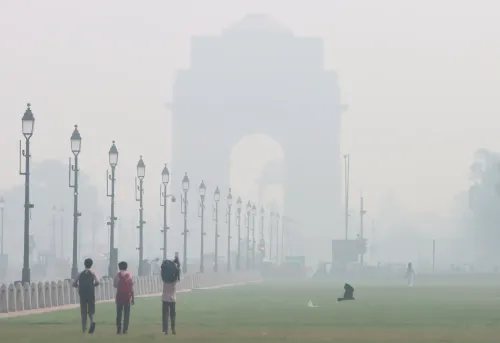
In a rare piece of good news for Delhi-NCR residents, the Air Quality Index (AQI) has improved, moving into the yellow and orange categories — offering measurable relief, especially for those with respiratory sensitivities. The improvement is attributed primarily to increased wind speeds, which have helped disperse accumulated pollutants more effectively than in recent weeks, when AQI readings had been in the severe or very poor range.
Notably, this respite is expected to be temporary. Meteorologists caution that as temperatures continue to fall and winter conditions deepen, cold and dense air will begin trapping pollutants closer to the ground — a seasonal phenomenon well-documented in the Delhi airshed. The IMD estimates that pollution levels could rise again in the coming days once harsher cold sets in.
What Residents Should Expect
This combination — falling temperatures, moderate fog risk, and a likely return of deteriorating air quality — means Delhi-NCR residents face a classic late-November weather pattern. The window of improved AQI may last only until stronger winter conditions consolidate. Health advisories for vulnerable groups, including children, the elderly, and those with asthma or cardiovascular conditions, are likely to follow if pollution rebounds as forecast. This is consistent with the pattern observed during the same period in previous years, when brief AQI improvements in mid-November gave way to 'very poor' or 'severe' readings by the month's end.
Point of View
But framing it as relief without context does residents a disservice. Delhi's air quality follows a well-established seasonal script: a spell of wind brings transient respite in mid-November, only for a colder inversion layer to push readings back into 'very poor' or 'severe' territory within days. The structural drivers — stubble burning, vehicular and industrial emissions, and urban heat dynamics — remain unchanged. Until policy interventions address those root causes year-round rather than reactively, every November forecast will carry the same small-print caveat: the clean air window is narrow, and winter is coming.
NationPress
17 Nov 2026
Frequently Asked Questions
What is the weather forecast for Delhi-NCR this week?
The IMD forecasts a steady drop in temperatures across Delhi-NCR from 17 November, with daytime highs falling from 27°C on Tuesday to 25°C by 20 November. Minimum temperatures are expected to range between 13°C and 14°C through 22 November, bringing a noticeable daytime chill in addition to cold mornings and evenings.
Is there a fog alert for Delhi this week?
Yes, the IMD has issued a moderate fog alert for Delhi-NCR covering 17 to 22 November 2026. No formal warning is currently in force, but fog is expected to affect visibility, especially during early morning hours.
Why has Delhi's AQI improved recently?
The improvement in Delhi-NCR's Air Quality Index — now in the yellow and orange categories — is primarily due to increased wind speeds that have helped disperse accumulated pollutants. The improvement follows a period of severe or very poor air quality readings.
Will Delhi's air quality worsen again as winter sets in?
Meteorologists warn that the current AQI improvement is likely temporary. As temperatures continue to fall, cold and dense winter air tends to trap pollutants closer to the ground, which could push AQI readings back into poor or severe categories in the coming days.
Who is most at risk from Delhi's winter air quality?
People with respiratory conditions such as asthma, cardiovascular disease, the elderly, and children are most vulnerable to deteriorating AQI levels. Health advisories for these groups are typically issued when Delhi's AQI enters the 'very poor' or 'severe' range, which meteorologists say may occur again soon.