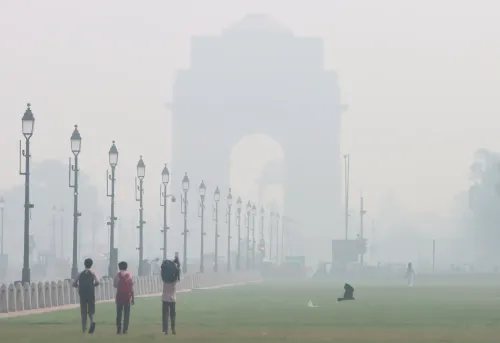
Delhi-NCR winter chill sets in; AQI to hit 'poor' for first time this season
Synopsis
Delhi-NCR's air quality is crossing into the 'poor' zone for the first time this season — even as the winter chill is only just arriving. With 22 monitoring stations already in the red, dry post-monsoon conditions and stagnant winds are accelerating what has become an annual pollution crisis for the capital.
Key Takeaways
Delhi-NCR is experiencing its first winter chill of the season following the monsoon's withdrawal from North India .
The city's AQI is expected to enter the 'poor' category for the first time this season by Monday, 20 October .
The AQI stood at 187 (upper moderate) on Sunday; 22 monitoring stations had already recorded 'poor' levels.
IMD forecasts mainly clear, dry weather for Delhi through 24 October ; minimum temperatures between 18–20°C , maximums between 31–35°C .
Heavy rainfall is forecast across Tamil Nadu , Kerala , Karnataka , Puducherry and Lakshadweep through 23 October .
Meteorologists are monitoring El Niño for potential impact on India's winter weather patterns.
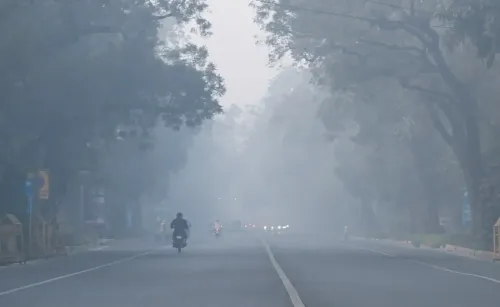
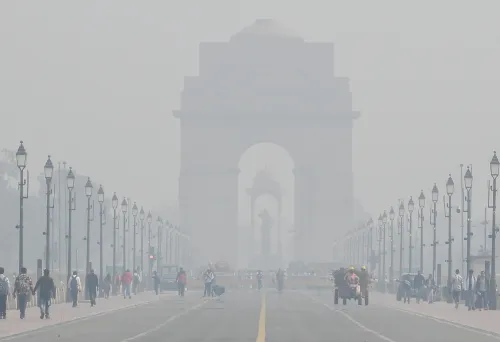
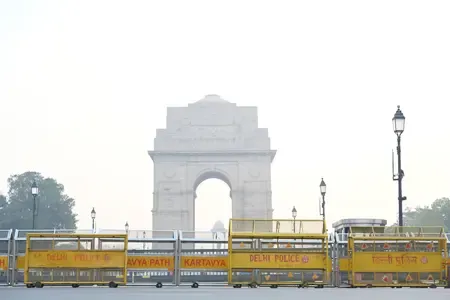
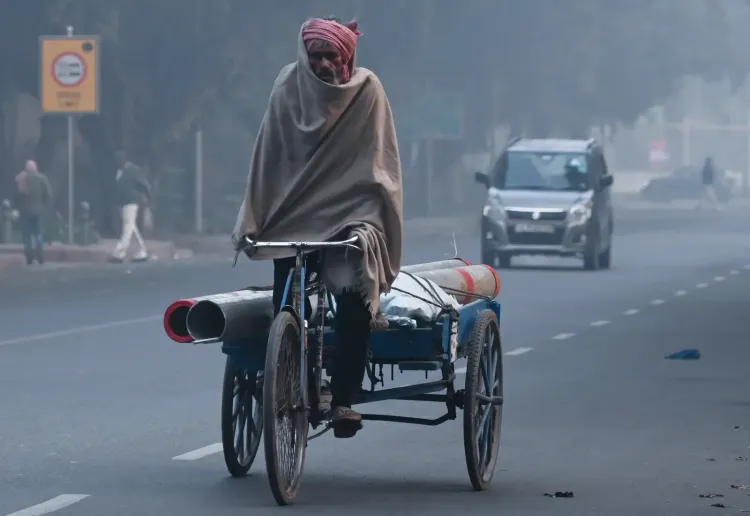
Delhi-NCR residents are waking up to the first perceptible bite of winter this season, as mornings and evenings turn noticeably cooler following the monsoon's withdrawal from North India. Compounding the seasonal shift, the national capital's air quality is set to slip into the 'poor' category for the first time in 2026 by Monday, 20 October, according to pollution monitoring data.
Temperature Outlook for Delhi-NCR
The India Meteorological Department (IMD) has forecast mainly clear skies and dry weather over Delhi for the coming week, with no rainfall expected through at least 24 October. Minimum temperatures are projected to hover between 18 and 20 degrees Celsius, while maximums are likely to range from 31 to 35 degrees Celsius.
The Safdarjung Meteorological Centre recorded a maximum temperature of 31.7°C and a minimum of 18.6°C on 18 October — the maximum registering slightly below the seasonal average. Across neighbouring states including Uttar Pradesh, Punjab, Haryana, Bihar and Rajasthan, temperatures may remain up to two degrees above normal in some pockets during this period. A gradual but steady drift toward winter conditions is expected in the weeks ahead, though intense cold is not imminent.
Air Quality Deterioration
The Air Quality Index (AQI) in Delhi stood at 187 on Sunday — at the upper end of the 'moderate' band — but 22 monitoring stations across the city had already recorded 'poor' readings, signalling that pollution levels were elevated well before the city-wide average crossed the threshold.
The principal driver of the expected slide is meteorological: the absence of rainfall and relatively stagnant wind conditions reduce the atmosphere's ability to disperse pollutants. Emissions from vehicles, construction activity and other persistent sources continue to accumulate under these conditions. This pattern is consistent with the annual October–November deterioration that Delhi-NCR experiences as the monsoon retreats and crop-residue burning in neighbouring states begins to add to the pollution load.
Southern India: Heavy Rainfall Continues
The country's weather map presents a sharp contrast. The IMD has forecast an extended spell of heavy rainfall across southern peninsular India through 23 October. Tamil Nadu, Puducherry, Kerala, Karnataka and Lakshadweep are all expected to receive significant rainfall over the coming days, with isolated heavy showers likely in Tamil Nadu and Puducherry and heavy rainfall forecast for Kerala, Mahe and south interior Karnataka through 23 October. Coastal Andhra Pradesh and Rayalaseema were also forecast to receive heavy showers on Sunday.
El Niño Watch
Meteorologists have flagged the potential influence of El Niño conditions on the approaching winter season. Changes in Pacific Ocean temperatures could affect weather patterns across India, though the precise impact on winter temperatures and rainfall distribution remains uncertain at this stage. Historically, El Niño has been associated with below-normal monsoon rainfall in parts of India during affected seasons, but its effects vary considerably across years and regions.
What to Expect in the Coming Weeks
For Delhi-NCR, the transition is now clearly underway: dry, cool mornings will become increasingly common, and air quality is likely to worsen progressively as winter deepens. Authorities and residents should brace for more frequent 'poor' and potentially 'very poor' AQI days as October gives way to November. The seasonal air quality crisis — a recurring pressure point for the capital — is, by all indications, beginning on schedule.
Point of View
And the framing of it as a weather story risks obscuring the structural failure underneath. The 'poor' threshold being breached for the first time this season on 20 October is not a surprise — it happens every year — yet the policy machinery mobilises reactively rather than pre-emptively. The simultaneous absence of rain, stagnant post-monsoon winds, and the approaching crop-residue burning season form a predictable convergence that authorities have had twelve months to prepare for. The El Niño signal adds uncertainty, but the core problem — inadequate year-round emission controls and an unresolved stubble-burning cycle — is entirely within domestic policy reach. Seasonal forecasts should, by now, be triggering action, not just awareness.
NationPress
19 Oct 2026
Frequently Asked Questions
When will Delhi's air quality turn 'poor' this season?
Delhi's air quality is expected to enter the 'poor' category for the first time this season on Monday, 20 October 2026. The AQI had already reached 187 — upper moderate — on Sunday, with 22 monitoring stations recording 'poor' levels.
What is causing Delhi's air quality to deteriorate in October?
The primary cause is the absence of rainfall and relatively stagnant wind conditions following the monsoon's withdrawal, which reduce the atmosphere's capacity to disperse pollutants. Emissions from vehicles and construction continue to accumulate under these conditions, a pattern that typically worsens as crop-residue burning in neighbouring states picks up.
What does the IMD forecast for Delhi's weather in the coming week?
The India Meteorological Department (IMD) has forecast mainly clear skies and dry weather for Delhi through 24 October, with no rainfall expected. Minimum temperatures are projected between 18–20°C and maximums between 31–35°C.
Which parts of India are receiving heavy rainfall right now?
Southern peninsular India is currently receiving significant rainfall. The IMD has forecast heavy showers across Tamil Nadu, Puducherry, Kerala, Karnataka, Lakshadweep, coastal Andhra Pradesh and Rayalaseema through 23 October 2026.
Could El Niño affect India's winter this year?
Meteorologists have flagged El Niño conditions as a potential influence on India's winter weather patterns, though the extent of any impact on temperatures and rainfall remains uncertain. El Niño has historically been associated with below-normal monsoon rainfall in some Indian regions, but its effects vary year to year.