Why is Delhi-NCR Facing Strict Pollution Restrictions?
Synopsis
As Delhi's Air Quality Index nears the alarming 'Severe+' level, NCR has reintroduced stringent anti-pollution measures. This article explores the implications of the CAQM's Stage-IV restrictions, the reasons behind the AQI surge, and the potential impacts on public health and daily life.
Key Takeaways
Stage-IV restrictions are back in place due to rising AQI levels.
Non-BS-VI vehicles are prohibited from entering Delhi.
Construction activities are fully halted.
Remote work is encouraged in public and private sectors.
Measures aim to protect public health amid pollution crisis.
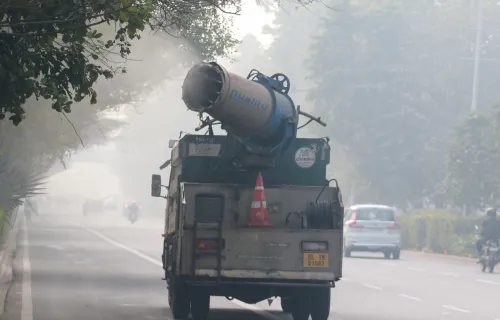
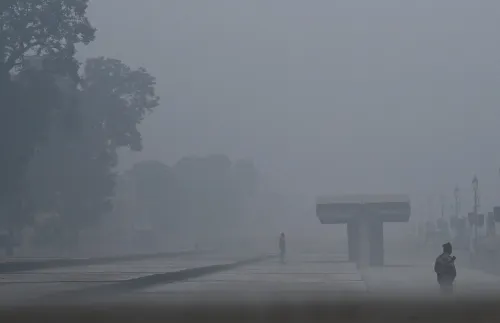
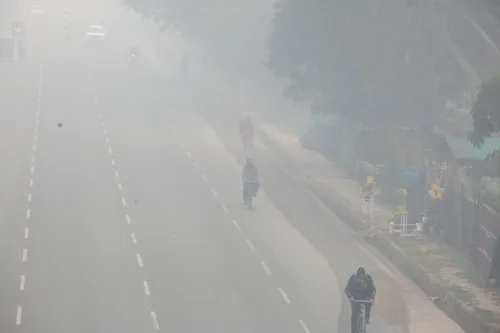
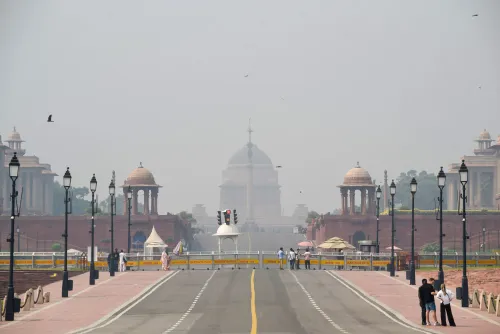
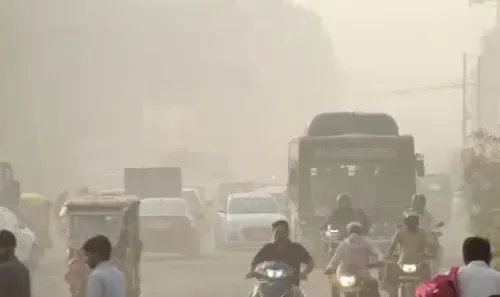
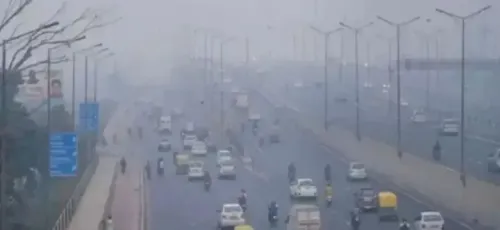
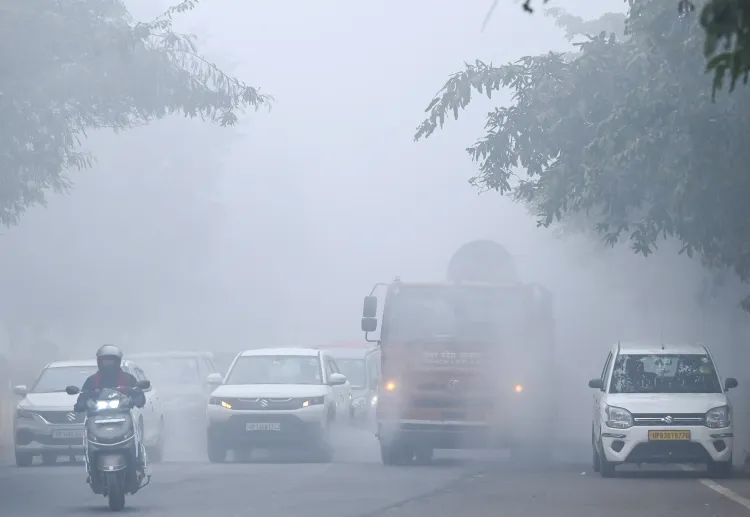
New Delhi, Jan 17 (NationPress) The National Capital Region (NCR) has once again been subjected to the strictest anti-pollution measures as the Air Quality Index (AQI) escalated alarmingly close to the “Severe+” classification on Saturday.
The Commission for Air Quality Management (CAQM) has declared the reinstatement of Stage-IV protocols under the Graded Response Action Plan (GRAP), pointing to rapidly deteriorating air quality.
At 4 p.m., the AQI in Delhi was noted at 400, firmly in the “Very Poor” category. Within just four hours, it surged to 428, nearing the 450 threshold that indicates “Severe+.”
Officials have linked this increase to a western disturbance, adverse weather conditions, and insufficient dispersion of pollutants.
The CAQM Sub-Committee indicated that the decision to activate Stage-IV was reached collectively as a precautionary measure to avert further decline.
Under GRAP, air quality is categorized into four stages: Poor (201–300), Very Poor (301–400), Severe (401–450), and Severe+ (above 450).
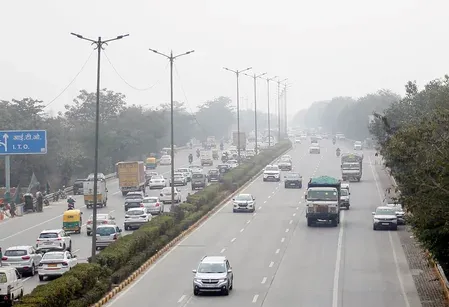
Stage-IV restrictions, initially implemented in December 2025, prohibit vehicles entering Delhi that are not compliant with BS-VI standards and lack Delhi registration.
Non-essential freight trucks are restricted from entering, except for those transporting essential goods or utilizing cleaner fuels like CNG, LNG, electric, or BS-VI diesel.
All construction and demolition activities, including public infrastructure projects like highways, flyovers, and pipelines, are completely suspended.
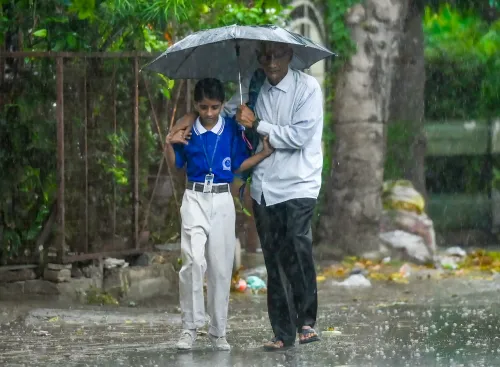
To safeguard vulnerable populations, state governments within NCR and the Delhi administration may transition classes VI to IX and XI to online learning, while classes X and XII are generally not affected to avoid hindering board exam preparations.
Public, municipal, and private offices are recommended to function with at least 50% of staff working remotely, and staggered work hours may be introduced to alleviate congestion during peak traffic.
Authorities also have the option for additional emergency measures, such as closing colleges, halting non-essential commercial activities, or implementing odd-even vehicle rationing.
If conditions worsen, the central government may extend work-from-home guidelines to its employees.
As Delhi’s AQI approaches the “Severe+” threshold, the reinstatement of GRAP-4 underscores the urgency in addressing the capital’s persistent pollution crisis, which poses significant threats to public health and daily activities.
Point of View
The reintroduction of stringent pollution measures in Delhi-NCR highlights the urgent need for comprehensive solutions to address the ongoing air quality crisis. While immediate actions are crucial, long-term strategies must also be implemented to ensure a healthier environment for all citizens.
NationPress
21 Oct 2026
Frequently Asked Questions
What does AQI 'Severe+' mean?
AQI 'Severe+' indicates extremely hazardous air quality, where health warnings of emergency conditions are triggered, affecting the entire population.
What restrictions are in place under Stage-IV?
Stage-IV restrictions include a ban on non-BS-VI compliant vehicles, halting construction activities, and encouraging remote work for at least 50% of staff.
Why did the AQI spike?
The spike is attributed to a western disturbance, adverse meteorological conditions, and a lack of pollutant dispersal.
How will schools adapt to these restrictions?
Schools may shift classes VI to IX and XI to online learning, while ensuring minimal disruption for classes X and XII.
What other measures can be taken if conditions worsen?
Authorities may close colleges, suspend non-essential activities, or implement vehicle rationing schemes to manage air quality.