Why is Delhi-NCR Facing Dense Fog with Moderate to Poor AQI?

Synopsis
On February 2, 2023, the Delhi-National Capital Region was blanketed in thick fog, causing the Air Quality Index to fluctuate between moderate and poor levels. Discover how visibility issues affected travel and what weather changes are on the horizon.
Key Takeaways
Dense fog affects visibility and travel in Delhi-NCR.
AQI levels range from moderate to poor across the region.
Commuters are advised to practice caution during foggy conditions.
Weather changes are expected with clearing skies and potential rain.
Temperatures may rise to 24-25 degrees Celsius later this week.
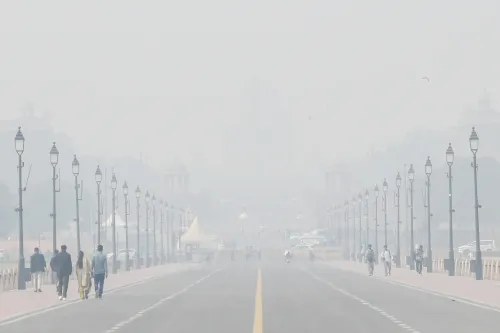
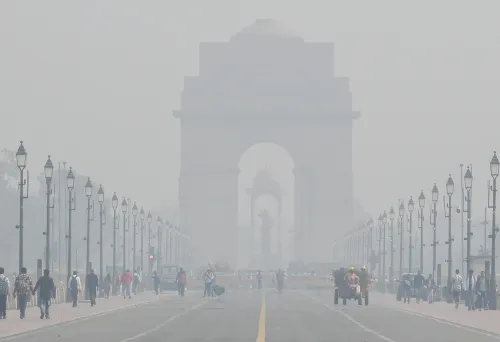
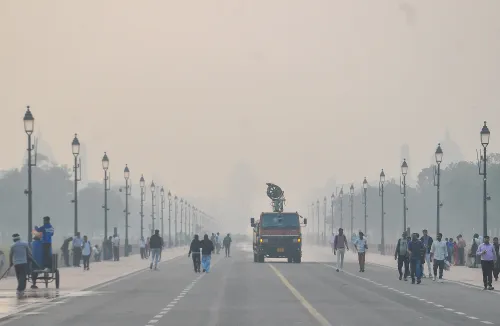
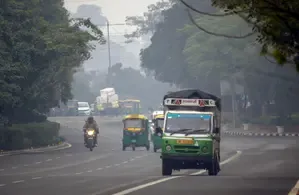
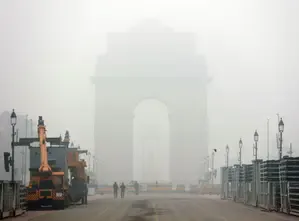
New Delhi, Feb 2 (NationPress) Numerous regions within the Delhi-National Capital Region were enveloped in thick fog on Monday morning, with the Air Quality Index (AQI) remaining categorized as moderate to poor, as per the data from the Central Pollution Control Board (CPCB).
According to the CPCB, AQI readings indicated levels of 242 in Anand Vihar, 222 in Bawana, 157 at Burari Crossing, 217 in Chandni Chowk, 158 at DTU, 240 in Dwarka Sector-8, 132 at IGI Airport (T3), 141 at IIT Delhi, 194 at Jawaharlal Nehru Stadium, 116 at Lodhi Road, 232 at R.K. Puram, 207 in Patparganj, and 208 in Sonia Vihar.
Misty conditions were reported in several areas adjacent to Delhi during the early morning hours. The air quality in Ghaziabad was notably poor, with an AQI of 259 documented in the morning.
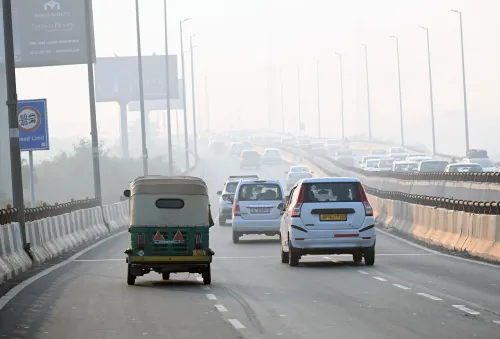
Visibility in many sections of Delhi and the NCR dropped below 50 meters, significantly hampering traffic flow on major thoroughfares and highways. Authorities noted that visibility is expected to worsen in the upcoming hours due to ongoing fog.
Key transit points, including Indira Gandhi International Airport and several train stations, experienced delays as fog persisted past sunrise. Commuters on the DND Flyway and the Delhi-Gurgaon Expressway were advised to drive carefully, utilize fog lights, and adhere to low-speed limits amidst hazardous conditions.
Changes in Delhi's weather are anticipated in the coming days. From February 3 onwards, skies are expected to clear gradually. However, another western disturbance is predicted to impact north-west India from the night of February 5, potentially bringing cloud cover and light drizzle later in the week.
The morning fog is likely to continue for the next six days. During the first week of February, maximum temperatures may rise to around 24-25 degrees Celsius, offering a slight sense of warmth during the daytime.
Additionally, North India, including Punjab, Haryana, Rajasthan, and Uttar Pradesh, is expected to see significant weather changes as two western disturbances traverse the region rapidly, possibly resulting in light rainfall in certain areas of north-west India later this week.
Point of View
It’s crucial to remain informed and cautious. The persistent fog and poor air quality pose challenges to daily life and transportation. As a national editor, I emphasize the importance of staying updated on weather forecasts and adhering to safety guidelines during such conditions.
NationPress
14 Sept 2026
Frequently Asked Questions
What is the current AQI in Delhi?
As of February 2, the AQI in Delhi varies across different locations, with Anand Vihar at 242 and Ghaziabad at 259, indicating poor air quality.
How long will the fog persist in Delhi?
The morning fog is expected to continue for the next six days, impacting visibility and air quality.
What should commuters do during foggy conditions?
Commuters are advised to drive cautiously, use fog lights, and maintain low speeds to ensure safety on the roads.
Will there be weather changes soon?
Yes, from February 3, skies are expected to clear gradually, although another western disturbance may bring cloud cover and drizzle around February 5.
How will this weather affect temperatures?
Maximum temperatures in the first week of February may rise to around 24-25 degrees Celsius, offering a mild sense of warmth during the day.