Delhi Police files charge sheet against 7 in Manipuri teacher's mob lynching
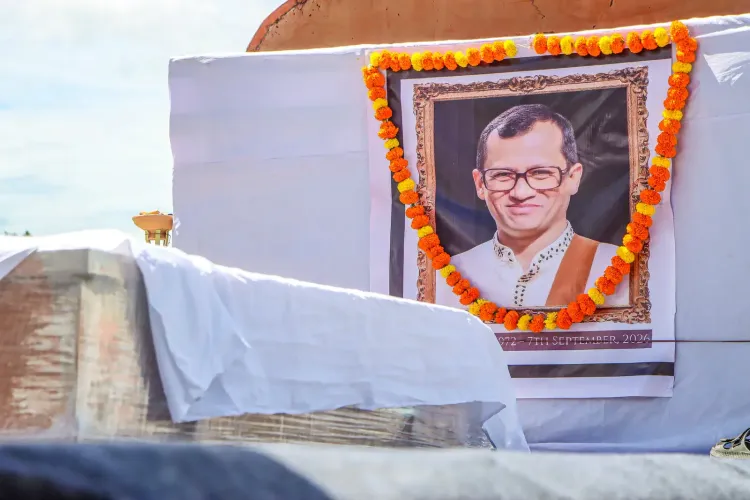
Synopsis
Seven months after the fatal mob assault on Manipuri guitarist Chongtham Vikram Singh in south Delhi, police have filed a charge sheet invoking murder-by-group provisions of the BNS — but the demand for a CBI probe and allegations of a racial motive keep this case far from closed.
Key Takeaways
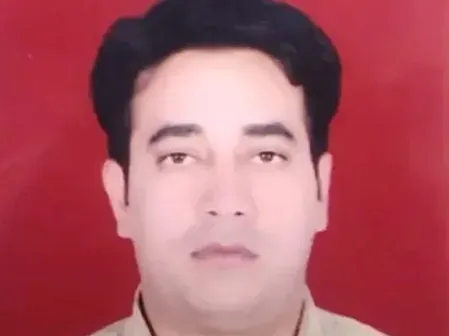
Delhi Police has filed a charge sheet against seven accused before the Saket Courts in the lynching of Chongtham Vikram Singh , a 54-year-old Manipuri musician and music teacher.
Vikram Singh was assaulted outside his home in Kilokari, south Delhi on the night of 6 September and died during treatment at Holy Family Hospital on 7 September .
Charges include criminal conspiracy, murder by a group, murder, and house-trespass under the Bharatiya Nyaya Sanhita (BNS) .
Manipur Chief Minister Yumnam Khemchand Singh had urged Delhi CM Rekha Gupta to expedite the probe and flagged the possibility of a CBI transfer.
Union Minister Kiren Rijiju had earlier spoken to Delhi Police, which committed to filing a strong charge sheet within two weeks.
The Manipur Students' Association Delhi (MSAD) and other groups raised concerns over a possible racial motive.
Delhi Police has filed a charge sheet against seven accused in connection with the alleged mob lynching of Chongtham Vikram Singh, a 54-year-old Manipuri guitarist and music teacher, who was fatally assaulted in south Delhi's Kilokari area and died on 7 September. The charge sheet has been filed before the Saket Courts, marking a significant procedural step in a case that drew national attention and allegations of a racial motive.
Charges Filed and Legal Provisions
The charge sheet invokes multiple sections of the Bharatiya Nyaya Sanhita (BNS), including Section 61 (criminal conspiracy), Section 103(2) (murder by a group), Section 103(1) (murder), and Section 332(a) (house-trespass with intent to commit an offence). The filing covers all seven individuals arrested in the case.
The charges reflect the prosecution's intent to establish collective culpability — a critical element in mob violence cases where individual attribution of lethal intent can be legally contested.
What Happened on the Night of 6 September
According to the First Information Report (FIR) lodged by the victim's son, Yaiphaba, the assault occurred at approximately 11.30 pm on 6 September outside their residence in the Sunlight Colony police station area. Yaiphaba told police that on opening the door after hearing his father shout, he saw four to five youths kicking and punching Vikram Singh. When he raised an alarm, the assailants fled.
While being rushed to Holy Family Hospital by taxi — accompanied by his mother Jochia and a neighbour, Rado — Vikram Singh reportedly told his son that the attackers had come from a dhaba located opposite their residence, and that some of them had previously threatened him after he objected to the noise and nuisance being caused near the eatery. He fainted in the taxi and was declared dead during treatment at the hospital the following day, 7 September.
Vikram Singh, who had reportedly been away from work for around seven to eight years and mostly stayed at home, is survived by his wife, son, and parents. His mortal remains were flown to Imphal, where his last rites were performed.
Political and Community Response
The killing triggered widespread condemnation from community organisations and public figures. The Manipur Students' Association Delhi (MSAD) raised concerns over a possible racial motive and demanded a thorough investigation.
Manipur Chief Minister Yumnam Khemchand Singh wrote to Delhi Chief Minister Rekha Gupta, urging a high-level probe and expedited prosecution. He also suggested that the feasibility of transferring the case to the Central Bureau of Investigation (CBI) be explored, if circumstances warranted, to reinforce public confidence.
Union Minister Kiren Rijiju stated earlier that he had spoken to Delhi Police, which assured him a strong charge sheet would be filed within two weeks. Rijiju described the death as deeply distressing and stressed that the safety and dignity of people from the Northeast, and every Indian, were non-negotiable.
Manipur's Chief Minister had also visited Vikram Singh's residence in Imphal West on 10 September, meeting his parents, wife, and son. He assured the family that justice would be delivered and that the state government would extend all possible support.
Broader Context and What Comes Next
This case has become a flashpoint in the ongoing national conversation about the safety of people from India's Northeast living in metropolitan cities. Incidents of alleged racial targeting of Northeastern communities in Delhi and other cities have been documented over the years, with advocacy groups consistently calling for stronger legal safeguards.
With the charge sheet now filed, the case moves to trial at the Saket Courts. The question of whether the investigation will be handed to the CBI remains open, pending assessment by authorities. The outcome of the trial is being closely watched by Northeast diaspora communities and civil society groups across the country.
Point of View
But it does not resolve the deeper question this case has raised: whether the assault was racially motivated and whether existing legal frameworks adequately address hate-driven mob violence against Northeastern communities. The demand for a CBI transfer, raised both by the Manipur Chief Minister and community groups, signals a trust deficit in the local investigation that a charge sheet alone cannot bridge. Delhi has seen repeated incidents of alleged racial targeting of Northeastern residents over the years, yet few have produced the kind of systemic accountability that would serve as a deterrent. The trial at Saket Courts will now carry the weight of that larger expectation.
NationPress
19 Oct 2026
Frequently Asked Questions
Who was Chongtham Vikram Singh and what happened to him?
Chongtham Vikram Singh was a 54-year-old Manipuri guitarist and music teacher residing in south Delhi's Kilokari area. He was assaulted by a group of youths outside his residence on the night of 6 September and died during treatment at Holy Family Hospital the following day, 7 September.
What charges have been filed in the Delhi mob lynching case?
Delhi Police has filed a charge sheet invoking Sections 61 (criminal conspiracy), 103(2) (murder by a group), 103(1) (murder), and 332(a) (house-trespass with intent to commit an offence) of the Bharatiya Nyaya Sanhita (BNS) against seven accused persons before the Saket Courts.
Has there been a demand for a CBI probe into the killing?
Yes. Manipur Chief Minister Yumnam Khemchand Singh wrote to Delhi Chief Minister Rekha Gupta suggesting that, if circumstances warranted, the feasibility of transferring the case to the CBI be explored to reinforce public confidence in the investigation. No decision on the transfer has been announced yet.
What was the motive behind the assault, according to the FIR?
According to the FIR lodged by the victim's son Yaiphaba, Vikram Singh had previously objected to the noise and nuisance caused near a dhaba opposite their residence, following which some of the attackers had reportedly threatened him. Community groups have also raised concerns over a possible racial motive, which is under investigation.
What has been the political response to the Kilokari lynching case?
The case drew condemnation from multiple quarters. Union Minister Kiren Rijiju expressed distress and spoke to Delhi Police about the case. Manipur Chief Minister Yumnam Khemchand Singh visited the victim's family in Imphal West on 10 September, assured them of justice, and wrote to the Delhi Chief Minister demanding a high-level probe and swift prosecution.