Delhi SIR drops 47.7 lakh voters; AAP demands ECI explanation, Gupta govt resignation
Synopsis
Nearly one-third of Delhi's 1.45 crore voters — 47.7 lakh people — have been dropped from the draft electoral roll after the Special Intensive Revision exercise, triggering AAP's sharpest attack yet on both the Election Commission and the Rekha Gupta government. The scale of exclusion raises a question that cuts to the heart of democratic legitimacy: if these voters were ineligible, how was the current government formed?
Key Takeaways
47.7 lakh voters — roughly one-third of Delhi's 1,45,10,299 -strong electorate — were excluded from the draft electoral roll published on 31 August .
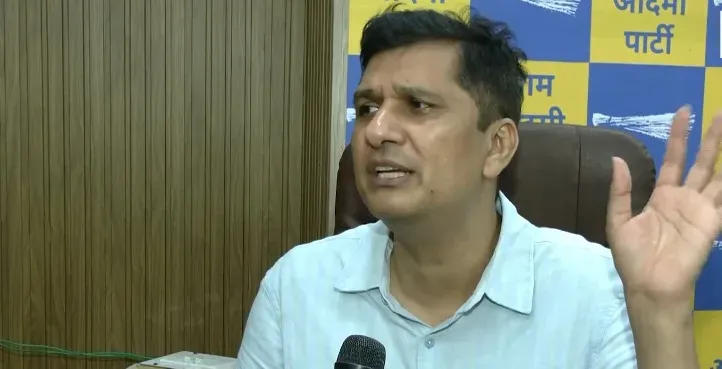
AAP Delhi President Saurabh Bharadwaj demanded the Election Commission of India explain the exclusions and called on the Rekha Gupta government to resign.
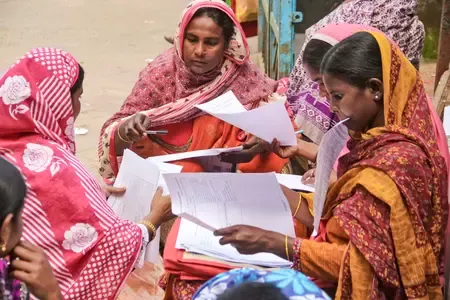
Excluded voters were classified under ASDDO (Absent, Shifted, Dead, Duplicate, Others) during the house-to-house SIR exercise conducted between 30 June and 17 August .
Excluded voters can file reinstatement claims via Form 6 until 30 September ; the final roll is due on 4 November .
The draft roll includes approximately 97.5 lakh electors whose forms were digitised — representing 67.18% of the total electorate.
Aam Aadmi Party (AAP) Delhi President Saurabh Bharadwaj on Monday, 31 August sharply questioned the Election Commission of India (ECI) after nearly 47.7 lakh voters — roughly one-third of the capital's total electorate — were excluded from the draft electoral roll published following the Special Intensive Revision (SIR) exercise in New Delhi. Bharadwaj demanded that the Chief Minister Rekha Gupta-led Delhi government resign and fresh elections be held.
AAP's Core Challenge to the ECI
Bharadwaj questioned the logical consistency of the exclusions, asking whether the removal of one-third of Delhi's voters implied that those individuals were Bangladeshi nationals — a pointed reference to the political narrative around illegal immigration that has dominated recent discourse. 'Does that mean one-third of the people in Delhi were Bangladeshis?' he said.
He further pressed the point on electoral legitimacy: 'Those who are choosing the MPs and MLAs, are they not voters? The Rekha Gupta government, which was formed one-and-a-half years ago, were one-third of the people not voters? Then resign and conduct the election process again,' Bharadwaj said.
What the SIR Exercise Found
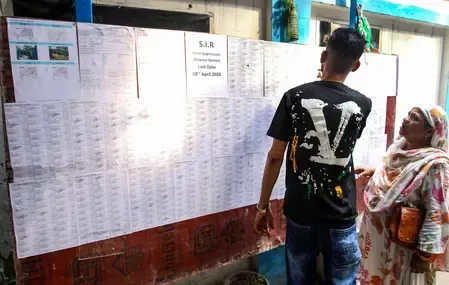
Delhi's draft electoral roll, published on 31 August, lists approximately 97.5 lakh electors whose enumeration forms were received and digitised through a house-to-house exercise conducted between 30 June and 17 August. This represents around 67.18% of Delhi's total registered electorate of 1,45,10,299.
The remaining 47.7 lakh electors were categorised as 'uncollectable' under the ASDDO classification — Absent, Shifted, Dead, Duplicate, and Others — and were not included in the draft roll. Notably, this is the first large-scale SIR exercise conducted in Delhi in recent years, and the scale of exclusions has drawn immediate political scrutiny.
What Excluded Voters Can Do
The Delhi Chief Electoral Officer clarified that voters excluded from the draft roll can file claims for reinstatement until 30 September by submitting Form 6 along with supporting documents. Claims and objections will be examined, and notices will be issued and disposed of through 29 October, according to the revised ECI schedule. The final electoral roll is scheduled for publication on 4 November.
AAP's 'Anti-Poor' Allegation
Beyond the electoral arithmetic, Bharadwaj alleged that the exercise was designed to target economically weaker sections. 'This government is anti-poor. The poor are being removed and all the facilities are being taken away from them so that they leave Delhi and go anywhere else,' he said. The AAP has historically drawn its support base from lower-income urban settlements in the capital, and critics argue the framing of the exclusions carries direct political consequence for that constituency.
What Happens Next
With the claims window open until 30 September, the coming weeks will test whether the ECI's process is seen as administratively sound or politically motivated. The Bharatiya Janata Party (BJP)-led Delhi government has not yet issued a formal response to AAP's resignation demand. All eyes will now be on the final electoral roll due on 4 November and whether the number of reinstated voters narrows the gap significantly.
Point of View
Or nearly one-third of the electorate — is extraordinary by any measure, and the ECI owes the public a granular breakdown of the ASDDO categories before the political temperature rises further. AAP's Bangladeshi-nationals framing is a rhetorical inversion of the BJP's own immigration narrative, and it is deliberately designed to embarrass. But underneath the political theatre lies a genuine administrative question: if a house-to-house exercise cannot locate one-third of registered voters, either the original rolls were severely inflated, or the enumeration methodology was flawed. The claims window until 30 September will be the real test — a low reinstatement rate would vindicate the exercise; a high one would raise serious questions about due process.
NationPress
16 Oct 2026
Frequently Asked Questions
Why were 47.7 lakh voters dropped from Delhi's electoral roll?
The 47.7 lakh voters were excluded from the draft electoral roll because their enumeration forms could not be collected during the Special Intensive Revision (SIR) house-to-house exercise, conducted between 30 June and 17 August 2025. They were classified as 'uncollectable' under the ASDDO category — Absent, Shifted, Dead, Duplicate, or Others.
What is the Special Intensive Revision (SIR) exercise in Delhi?
The SIR is an Election Commission of India-mandated house-to-house voter enumeration drive aimed at updating and cleaning the electoral roll. In Delhi, it ran from 30 June to 17 August and digitised forms for approximately 97.5 lakh of the city's 1.45 crore registered voters.
Can excluded voters get their names back on the Delhi electoral roll?
Yes. Voters excluded from the draft roll can file a claim for reinstatement by submitting Form 6, along with supporting documents, to their electoral registration officer by 30 September. The final electoral roll is scheduled for publication on 4 November.
What is AAP's objection to the Delhi SIR voter deletions?
AAP Delhi President Saurabh Bharadwaj argued that dropping one-third of Delhi's voters raises a fundamental question of electoral legitimacy — if those voters were ineligible, the current Rekha Gupta government, formed about one-and-a-half years ago, should not have been formed either. He demanded the government resign and fresh elections be held.
Who is responsible for the Delhi voter list revision?
The Election Commission of India conducted the Special Intensive Revision exercise. The Delhi Chief Electoral Officer published the draft roll on 31 August and has outlined the timeline for claims, objections, and the final roll publication on 4 November.