Is Delhi’s Air Quality Still Poor? IMD Issues Yellow Alert for Fog
Synopsis
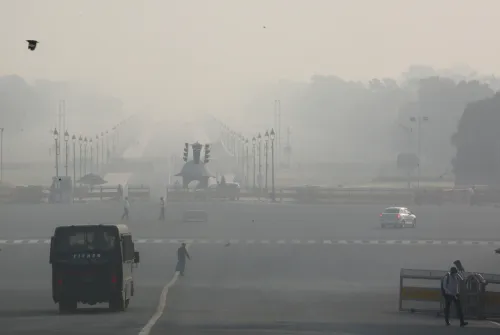
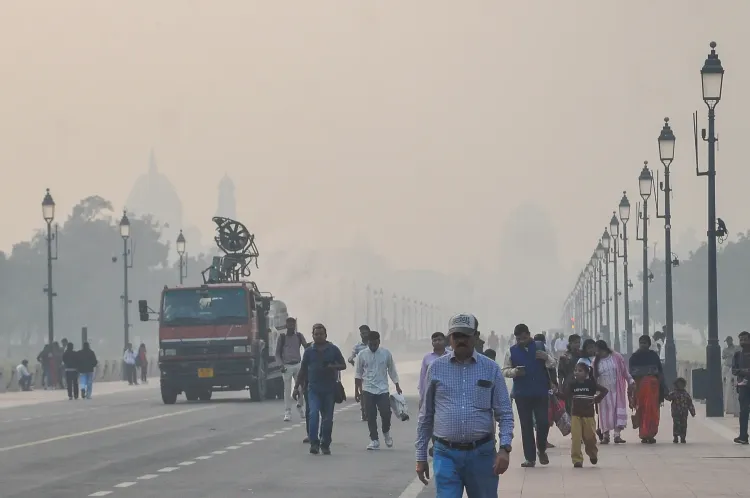
As the Air Quality Index (AQI) in Delhi remains firmly in the 'poor' category, with several areas experiencing alarming levels above 300, residents are advised to take precautions. The IMD has also issued a yellow alert for moderate fog, potentially impacting visibility and health this week.
Key Takeaways
The AQI in Delhi is still classified as 'poor'.
Areas with the worst air quality include Anand Vihar and Jahangirpuri.
The IMD has issued a yellow alert for moderate fog.
Residents should take precautions against air pollution.
Weather conditions may include light rain and cloudy skies.
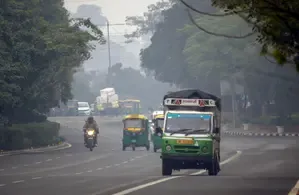
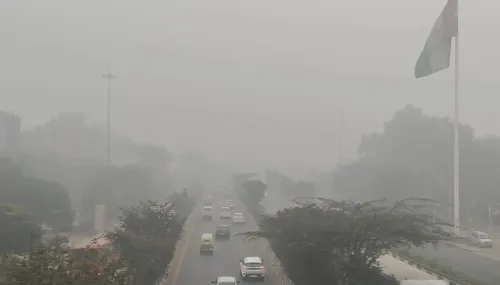
New Delhi, Jan 29 (NationPress) The Air Quality Index (AQI) in the capital city has consistently remained in the 'poor' category on Thursday, with numerous monitoring stations reporting levels exceeding 300, indicating worsening air conditions in certain areas.
According to the Central Pollution Control Board (CPCB), regions like Anand Vihar recorded an AQI of 334, Jahangirpuri at 337, Chandni Chowk at 312, Rohini at 311, Patparganj at 306, and Dwarka Sector-8 at 317, categorizing them in the 'very poor' range. Additionally, other areas such as Bawana (288), Burari Crossing (264), Jawaharlal Nehru Stadium (282), Narela (244), North Campus of Delhi University (260), and IIT Delhi (210) also reported 'poor' air quality levels.
According to AQI standards, a score between 0 and 50 is deemed 'good', 51 to 100 'satisfactory', 101 to 200 'moderate', 201 to 300 'poor', 301 to 400 'very poor', and 401 to 500 'severe'. Despite slight improvements compared to previous days, pollution levels remain concerning for residents, particularly for vulnerable populations.
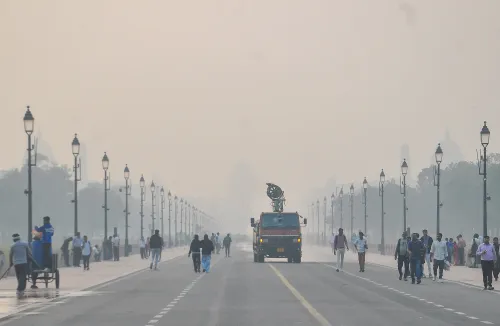
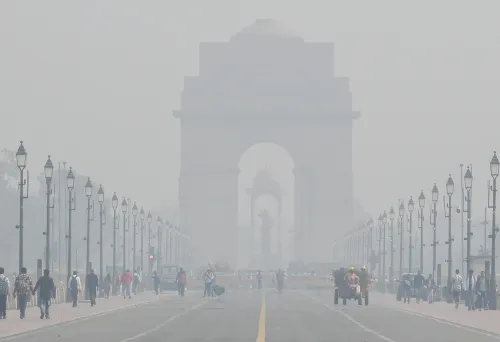
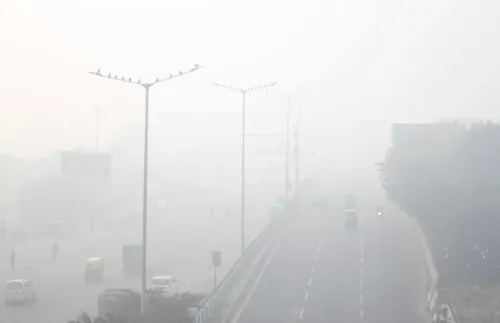
Meanwhile, the India Meteorological Department (IMD) has issued a yellow alert for Thursday, cautioning about moderate fog in various locations across Delhi. The weather department predicts shallow to moderate fog is likely during morning hours over the coming six days, excluding January 31 and February 1. Moderate fog is also anticipated for January 29, 30, and 31. Currently, there are no severe weather warnings in effect.
The IMD's latest forecast estimates that the maximum temperature in the capital will be around 18 degrees Celsius, while the minimum temperature may drop to 7 degrees Celsius. The sky is expected to be generally cloudy throughout the week, with a chance of very light rain along with thunderstorms, lightning, and gusty winds reaching 30-40 km/h on the night of January 31. One or two instances of light rain are also expected on February 1.
The IMD indicated that Saturday and Sunday might see light rain accompanied by gusty winds, potentially causing a temporary drop in temperatures. After February 1, temperatures are projected to gradually rise, with minimums around 13 degrees Celsius and maximums nearing 19 degrees Celsius.
In a related matter, the Sub-Committee on the Graded Response Action Plan (GRAP) under the Commission for Air Quality Management (CAQM) lifted all Stage III measures across Delhi-NCR as of January 22, citing improvements in air quality and favorable forecast trends. Officials noted that strong winds and rainfall have aided in decreasing pollution particle accumulation, resulting in partial enhancements.
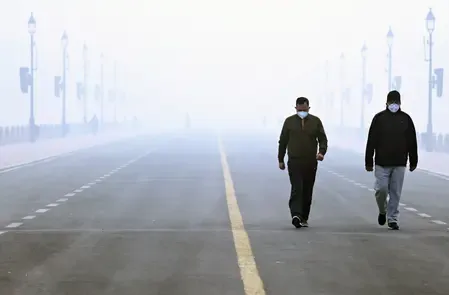
However, health professionals urge residents to keep taking precautions, such as wearing masks when stepping outside, to minimize direct exposure to polluted air.
Point of View
It's crucial to highlight the continuing challenges Delhi faces regarding air pollution. The persistent poor air quality affects not only daily life but also the health of vulnerable populations. Awareness and proactive measures are essential as we navigate these environmental challenges.
NationPress
17 Sept 2026
Frequently Asked Questions
What is the current Air Quality Index in Delhi?
The Air Quality Index (AQI) in Delhi continues to be in the 'poor' category, with several areas exceeding 300.
What areas in Delhi have the worst air quality?
Areas like Anand Vihar, Jahangirpuri, and Dwarka Sector-8 have reported AQI levels in the 'very poor' range, exceeding 300.
What does the AQI classification mean?
AQI readings are classified as follows: 0-50 is 'good', 51-100 is 'satisfactory', 101-200 is 'moderate', 201-300 is 'poor', 301-400 is 'very poor', and 401-500 is 'severe'.
What precautions should residents take?
Residents are advised to wear masks when going outside and to avoid prolonged exposure to polluted air.
What weather conditions are expected in the coming days?
The IMD has issued a yellow alert for fog, with expected temperatures ranging from a maximum of 18 degrees Celsius to a minimum of 7 degrees Celsius.