Senator Durbin urges Trump to press Xi on China's political prisoners
Synopsis
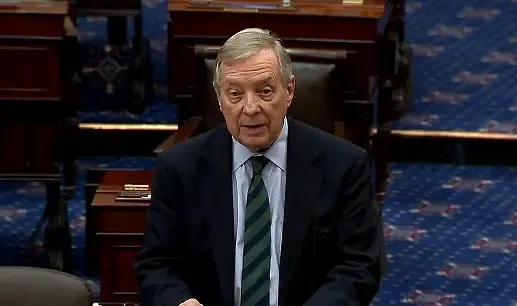
As Trump and Xi Jinping meet on US soil, Senate Democratic Whip Dick Durbin took to the Senate floor to name five Chinese political prisoners — including Uyghur doctor Gulshan Abbas and Hong Kong publisher Jimmy Lai — and urged Trump to press for their release. The appeal follows a unanimous Senate resolution in May and the earlier freeing of Pastor Ezra Jin, which Durbin credited to Trump's intervention.
Key Takeaways
Senate Democratic Whip Dick Durbin urged President Trump to raise Chinese political prisoners with President Xi Jinping during their US meetings this week.
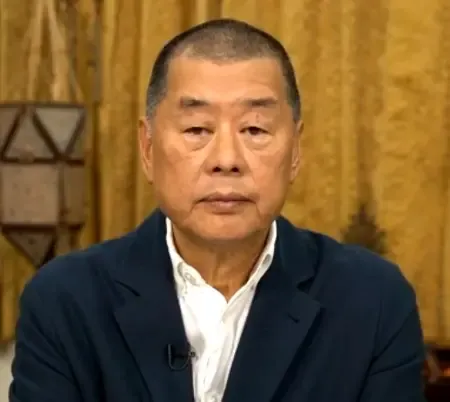
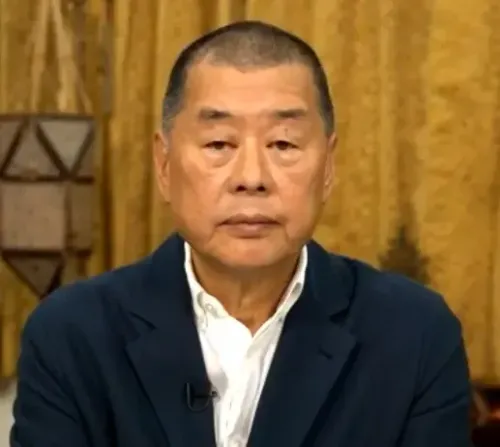
Five individuals were named: Gulshan Abbas , Jimmy Lai , Gao Quanfu , Pang Yu , and Ekpar Asat .
Pastor Ezra Jin was freed after 266 days in a Chinese prison; Durbin credited Trump's intervention , but said at least 8 congregants remain detained.
The US Senate unanimously passed a bipartisan resolution in May calling for China to release political prisoners.
Neither the White House nor Beijing had responded to Durbin's remarks at the time of reporting.
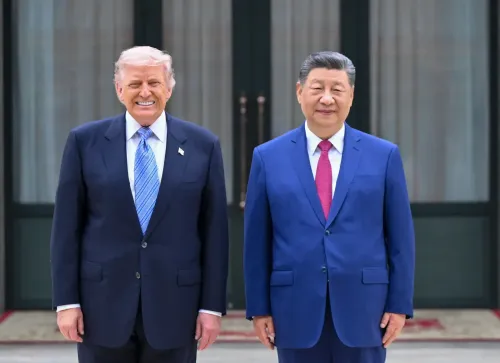
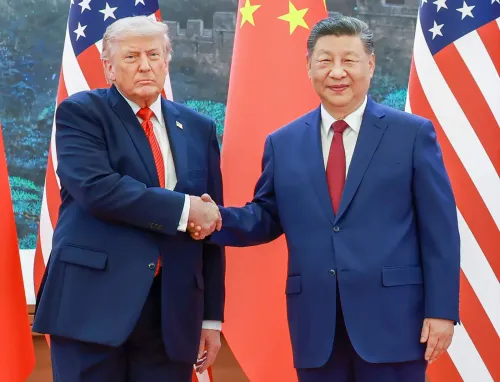
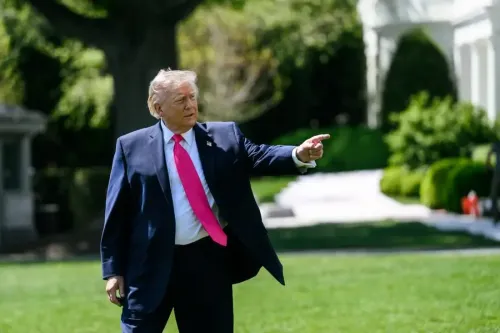
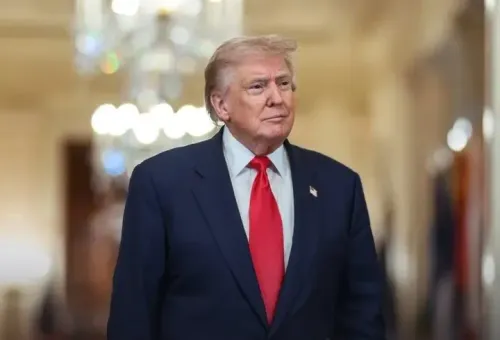
Senate Democratic Whip Dick Durbin on Tuesday urged President Donald Trump to raise the cases of several political prisoners held in China during his meetings with President Xi Jinping in the United States this week. The Illinois senator made the appeal in a floor speech, framing the Trump-Xi summit as a timely opportunity to place human rights alongside security and economic issues on the bilateral agenda.
The Prisoners Named
Durbin specifically named five individuals he urged Trump to seek the release of: Uyghur doctor Gulshan Abbas, Hong Kong publisher Jimmy Lai, Christian leaders Gao Quanfu and his wife Pang Yu, and Uyghur entrepreneur Ekpar Asat. He alleged Abbas was reportedly imprisoned in retaliation for her family's public criticism of Beijing's treatment of Uyghurs, while Gao and Pang were detained for serving as church leaders.
Durbin also called for the release of the remaining congregants of Pastor Ezra Jin, who was freed after 266 days in a Chinese prison — a release the senator credited to Trump's intervention. Jin had been imprisoned for operating a church, according to Durbin. 'The pastor reminded me that at least eight of his congregants remain imprisoned,' Durbin said, after meeting Jin and his daughter Grace at the Capitol following his release.
What Durbin Said on the Floor
Durbin described the Trump-Xi summit as consequential and warranting a broad agenda. 'The meeting between the leaders of our two countries is important and timely. Both nations have a great deal to discuss, including areas of shared concern and disagreement,' he said. He cited artificial intelligence risks, North Korea's nuclear programme, climate change, energy supplies, and global economic stability as shared concerns.
On points of divergence, Durbin listed Taiwan's future, Chinese harassment of US allies, the war in Ukraine, economic espionage, fentanyl precursor exports, and political freedoms in Hong Kong and Xinjiang. He characterised these as issues where Washington and Beijing remain fundamentally divided.
Bipartisan Senate Resolution
The speech came months after the US Senate unanimously passed a bipartisan resolution in May, sponsored by Durbin, calling for the release of political prisoners in China, including Pastor Jin. The resolution's passage underscores rare cross-party consensus on the issue of Chinese human rights, even as the two parties remain divided on broader China policy.
Durbin welcomed Jin's release as a proof of concept: 'President Trump has a chance to secure the release of these detainees who have already suffered so much, and I hope he will similarly make this request of Xi during his visit,' he said.
Broader US-China Human Rights Tensions
Human rights have been a persistent fault line in Washington-Beijing relations. US officials and lawmakers have repeatedly criticised China over suppression of political dissent, restrictions on religious practice, and curtailment of civil liberties in Hong Kong and Xinjiang. Critics argue Beijing has deflected these concerns by treating them as interference in internal affairs.
Neither the White House nor the Chinese government had responded to Durbin's remarks at the time of reporting. As Trump and Xi prepare to meet, how — or whether — human rights feature on the formal agenda remains to be seen.
Point of View
He lowers the partisan temperature and makes it harder for the White House to dismiss the ask. Yet the structural contradiction is sharp: the same administration that has weaponised tariffs and trade pressure on China has shown little appetite for tying economic concessions to human rights outcomes. The unanimous Senate resolution in May signals that political prisoners enjoy rare bipartisan sympathy, but Senate resolutions are non-binding, and Beijing has absorbed dozens of them without meaningful concession. The real question is whether Trump, who has consistently framed the Xi relationship in transactional terms, sees prisoner releases as negotiating leverage or a distraction from the economic and security agenda he prioritises.
NationPress
23 Sept 2026
Frequently Asked Questions
Why is Senator Dick Durbin urging Trump to raise political prisoners with Xi Jinping?
Durbin made the appeal ahead of Trump's meetings with Xi Jinping in the US this week, arguing the summit is an opportunity to address human rights alongside security and economic issues. He cited the earlier release of Pastor Ezra Jin — credited partly to Trump's intervention — as evidence that such requests can produce results.
Who are the political prisoners Durbin named?
Durbin named Uyghur doctor Gulshan Abbas, Hong Kong publisher Jimmy Lai, Christian leaders Gao Quanfu and his wife Pang Yu, and Uyghur entrepreneur Ekpar Asat. He also called for freedom for at least eight remaining congregants of Pastor Ezra Jin, who was himself released after 266 days in a Chinese prison.
What is the US Senate resolution on China's political prisoners?
The Senate unanimously passed a bipartisan resolution in May 2026, sponsored by Durbin, calling for China to release political prisoners including Pastor Ezra Jin. The resolution was non-binding but reflected rare cross-party consensus on Chinese human rights.
Has China responded to Senator Durbin's remarks?
Neither the Chinese government nor the White House had issued a response to Durbin's Senate floor speech at the time of reporting. Beijing has historically rejected such appeals as interference in its internal affairs.
What other issues are on the Trump-Xi summit agenda, according to Durbin?
Durbin listed AI risks, North Korea's nuclear programme, climate change, energy supplies, and global economic stability as areas of shared concern. Points of disagreement, he said, include Taiwan's future, Chinese harassment of US allies, the war in Ukraine, economic espionage, and fentanyl precursor exports from China.