Senator Ted Budd urges Trump to press Xi on religious freedom, American detainees
Synopsis
With Xi Jinping set to enter the White House this week, Senator Ted Budd is pushing Trump to make religious freedom and American detainee cases a non-negotiable agenda item — pointing to pastor Ezra Jin's release after a May summit as proof that direct presidential pressure works. The bipartisan push with Senator Ed Markey for academics Dr Youlin Chen and Min Zin adds rare cross-party weight to the appeal.
Key Takeaways
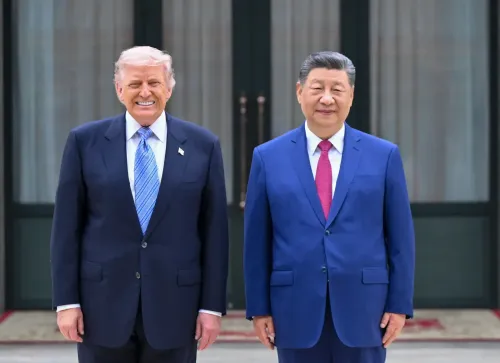
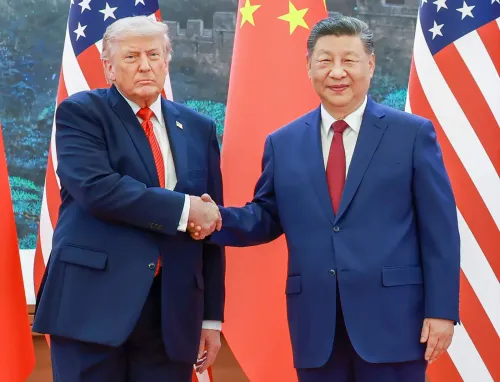
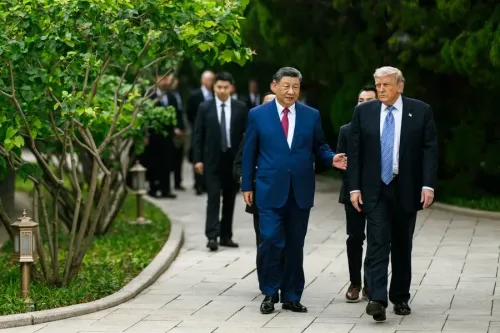
Republican Senator Ted Budd urged President Trump to raise religious freedom and American detainee cases at the upcoming Trump-Xi Jinping summit at the White House .
Budd cited the release of Zion Church pastor Ezra Jin — freed two months after Trump raised his case at a US-China summit in May — as a model for direct engagement.
He named American academics Dr Youlin Chen and Min Zin as individuals still held in China whose cases require presidential attention.
Budd and Democratic Senator Ed Markey have jointly worked on the two academics' cases, reflecting a rare bipartisan alignment.
The senator also urged Trump to confront Xi over illicit drugs and China's ties with Russia and Iran .
Multiple Congress members are separately pressing the White House on AI chips, AI safety, and agricultural trade ahead of the meeting.
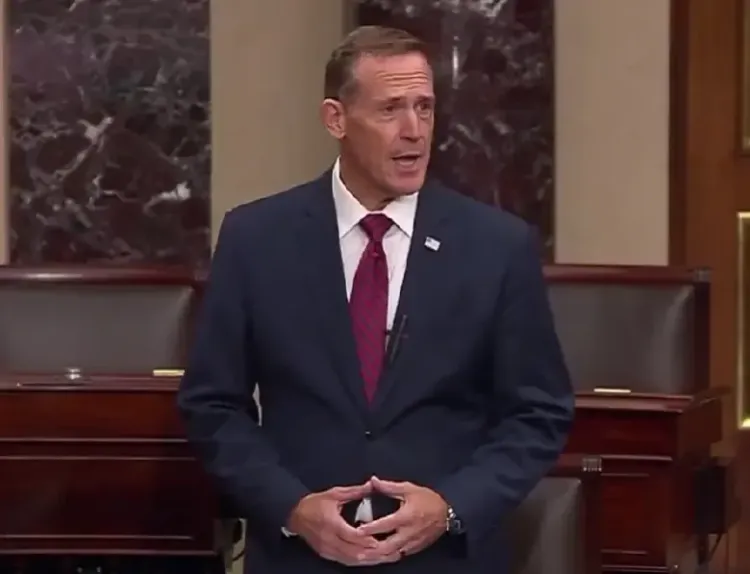
Republican Senator Ted Budd on 24 September 2026 urged President Donald Trump to raise religious freedom and the detention of Americans in China during his upcoming meeting with President Xi Jinping this week, naming church leaders and two academics whose cases he said remain unresolved. The appeal came through Senate remarks prepared ahead of the high-stakes bilateral summit at the White House.
What Budd Asked Trump to Raise
In his prepared Senate remarks, Budd argued that protection of Americans abroad must be a priority in US-China talks. He called for a firm American stance on what he described as China's treatment of religious groups and individuals held in detention.
'When President Xi enters the White House later this week, I hope discussions between our two nations include America's most fundamental values and responsibilities upfront: the protection of American citizens abroad and reiterating a zero-tolerance for violating the God-given right to religious freedom,' Budd said.
The Case That Became a Template
Budd pointed to the case of Zion Church pastor Ezra Jin as a model for why direct presidential engagement with Xi can yield results. According to Budd, Trump raised Jin's case at a US-China summit in May, and the pastor was released two months later and returned to the United States. Budd argued that outcome should not mark the end of Washington's efforts, but rather set a precedent for other cases still unresolved.
Academics Named in Bipartisan Push
The senator also named Dr Youlin Chen and Min Zin, whom he described as American academics currently held in China. Notably, Budd said he and Democratic Senator Ed Markey had jointly worked on their cases — a rare bipartisan alignment on a China-related human rights issue.
'I want to highlight the bipartisan effort Senator Markey and I have taken to bring home both Dr Youlin Chen and Mr Min Zin,' Budd said. He has also reportedly sought sanctions against Chinese officials responsible for religious freedom violations.
Broader Agenda: Drugs, Russia, Iran
Budd's appeal to Trump extended beyond detainee cases. He urged the president to confront Xi over illicit drugs and China's relationships with Russia and Iran — issues he framed as part of a wider reckoning over the direction of US-China relations. He argued that trade and security negotiations should not come at the cost of setting aside fundamental rights disagreements.
Congressional Pressure Around the Trump-Xi Meeting
Budd's intervention is one of several from Capitol Hill ahead of the planned summit. Other lawmakers have reportedly urged action on advanced AI chips, AI safety dialogue, and more reliable Chinese purchases of American agricultural products. This comes amid a broader congressional effort to shape the White House's negotiating posture with Beijing, as US-China relations navigate competing pressures on trade, technology, and security. The outcome of the Xi White House visit is expected to set the tone for bilateral engagement through the remainder of the year.
Point of View
Congress is essentially arguing that the price of engagement must include human rights concessions — a demand Beijing has historically rejected as interference in internal affairs. Whether Trump treats these cases as genuine priorities or as opening-bid chips in a broader transactional deal will define the credibility of the next US-China framework.
NationPress
24 Sept 2026
Frequently Asked Questions
Why did Senator Ted Budd urge Trump to raise religious freedom with Xi Jinping?
Senator Budd argued that protection of American citizens abroad and defence of religious freedom must be core agenda items in the Trump-Xi summit, not secondary to trade or security talks. He pointed to the release of pastor Ezra Jin following Trump's direct intervention in May as evidence that presidential pressure on such cases can produce results.
Who are the American detainees Senator Budd named?
Budd named Zion Church pastor Ezra Jin — who was released after Trump raised his case in May — as well as academics Dr Youlin Chen and Min Zin, who he said remain held in China. He and Democratic Senator Ed Markey have worked together on Chen and Zin's cases.
What is the significance of the Trump-Xi White House meeting?
The planned meeting is one of the most high-profile US-China summits in recent years, with Congress pressing the administration on multiple fronts including AI chips, agricultural trade, and human rights. The outcomes are expected to shape the trajectory of bilateral relations for the rest of the year.
What other issues did Budd ask Trump to raise with Xi?
Beyond detainee cases and religious freedom, Budd urged Trump to confront Xi over illicit drugs and China's relationships with Russia and Iran. He argued that fundamental rights disagreements must not be sidelined even as the two countries negotiate on trade and security.
Is there bipartisan support for pressing China on American detainees?
Yes. Senator Budd, a Republican, noted he has worked alongside Democratic Senator Ed Markey on the cases of Dr Youlin Chen and Min Zin, signalling cross-party support for prioritising American detainees in US-China diplomacy.