Trump's human rights silence on China: A sharp US diplomacy shift
Synopsis
Trump's muted posture on human rights during his Beijing summit breaks sharply from the Bush and Obama playbooks — and raises a pointed question: when the world's most powerful democracy goes quiet on dissent, does Beijing's crackdown calculus change? The answer, according to activists on the ground, is not reassuring.
Key Takeaways
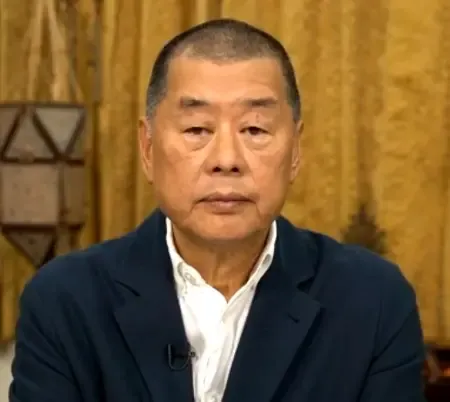
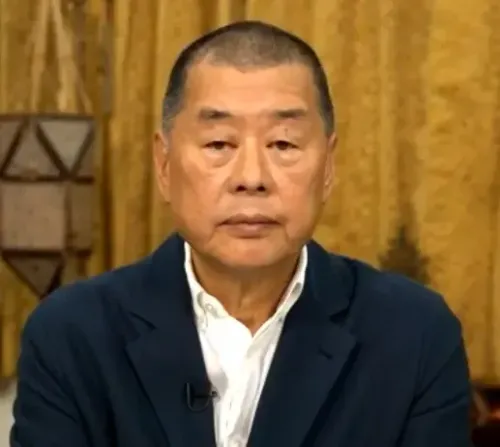
President Trump gave a hedged response when asked whether he would raise jailed Hong Kong activist Jimmy Lai's case with Xi Jinping , calling it a 'tough one.' Trump later told Fox News he did raise Jimmy Lai's case and the detention of Christian pastors during the summit.
Xi Jinping is reportedly 'seriously considering' releasing some detained religious leaders, according to Trump.
Former presidents George W.
Bush (2008) and Barack Obama (2009) publicly raised religious freedom and Tibet dialogue during official China engagements.
Rights advocates including Sophie Richardson of Chinese Human Rights Defenders warn of 'very, very difficult times' for activists under Xi .
China has countered Western criticism with its own reports on US human rights, including a 2021 State Council document opening with George Floyd's final words.
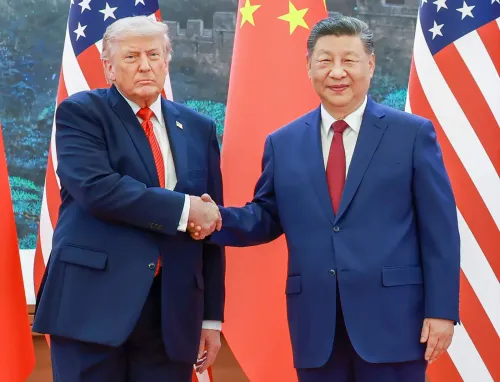
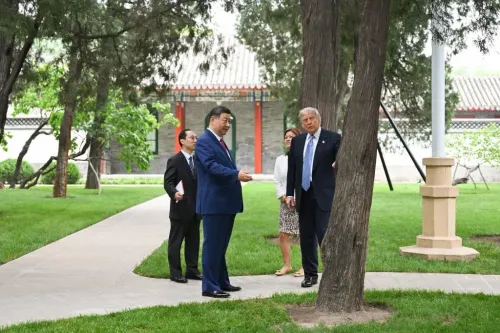
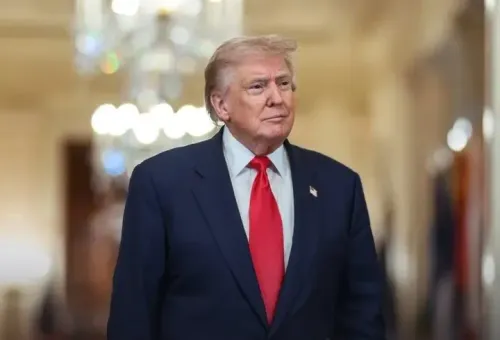
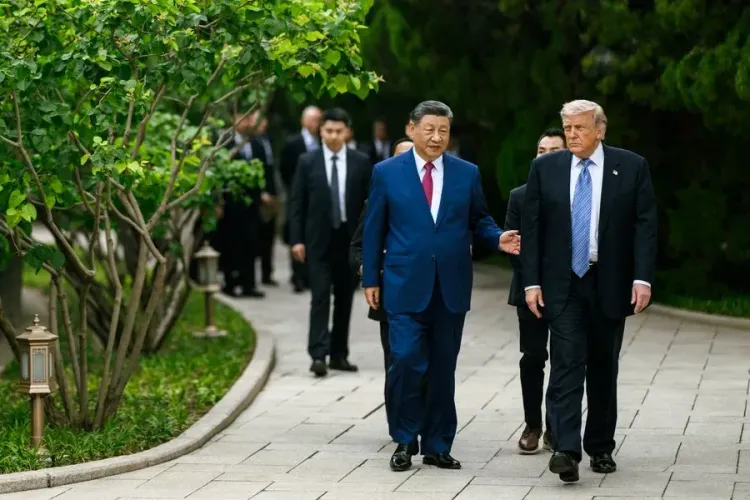
US President Donald Trump has drawn scrutiny for his restrained approach to raising human rights concerns during his latest engagement with Chinese President Xi Jinping, marking what analysts describe as a significant departure from decades of American diplomatic practice toward Beijing, according to a report by The Guardian.
Trump's Measured Response on Jimmy Lai
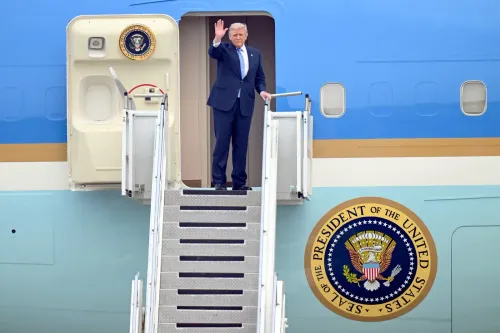
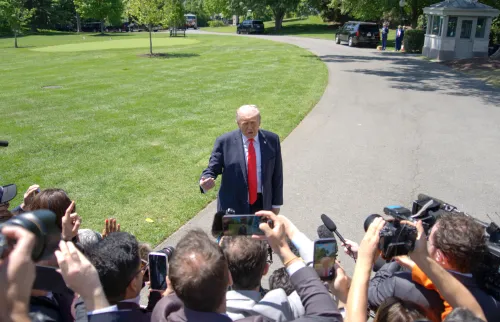
When asked before departing for Beijing whether he would raise the case of jailed Hong Kong pro-democracy activist Jimmy Lai, Trump gave a notably hedged answer. 'I'll bring him up,' he said, before adding, 'It's like saying to me, 'If Comey ever went to jail, would you let him out?' It might be a hard one for me.' The reference was to former FBI Director James B. Comey, a frequent political target of Trump's.
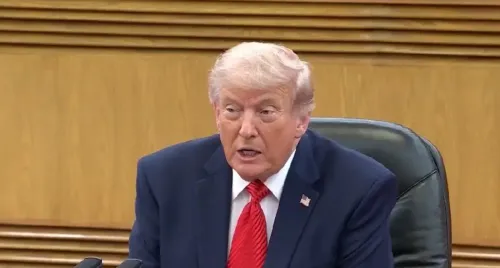
Despite the lukewarm pre-trip framing, Trump later told Fox News while returning home that human rights issues were, in fact, raised during the summit. He said he had brought up both Jimmy Lai's case and the detention of several Christian pastors in China. Trump added that Xi was 'seriously considering' releasing some detained religious leaders targeted during recent crackdowns on Christians — remarks that were welcomed by relatives of detainees.
Grace Jin Drexel, whose father Ezra Jin was detained last year, said, 'It's a major answer to our prayers and we're also so grateful to everyone who has walked alongside us at the most difficult time.'
How Past Presidents Handled China and Human Rights
The contrast with previous administrations is stark. Former President George W. Bush attended a church service in Beijing in 2008 to publicly advocate for religious freedom. Former President Barack Obama, during his 2009 state visit, urged then-Chinese President Hu Jintao to reopen dialogue with the Dalai Lama, the exiled spiritual leader of Tibet.
One of the most prominent examples of direct US intervention came in 2012, when the Obama administration helped evacuate blind human rights lawyer Chen Guangcheng after he escaped from house arrest. Notably, Chen later urged US voters to elect Trump, claiming he would 'stand up to tyranny.'
According to the report, both Bush and Obama have themselves faced accusations of human rights abuses linked to the US's so-called 'war on terror.' Nevertheless, their public advocacy for minorities and activists in China was reportedly welcomed by the country's nascent civil society movement.
Shrinking Space for Dissent Under Xi
The report highlights growing alarm among activists over the deteriorating space for civil liberties in China under President Xi Jinping, who has overseen a sweeping crackdown on dissent, civil society groups, religious minorities, and activists since taking power in 2012.
Sophie Richardson, co-executive director of Chinese Human Rights Defenders, told The Guardian: 'These are very, very difficult times for human rights defenders. I don't think any democratic government has really kept pace in its interventions with Beijing.'
Disbarred Chinese human rights lawyer Ren Quanniu was also cited, saying the Chinese Communist Party now 'seems immune to so-called condemnations and the international community.'
Beijing's Counter-Narrative
China has increasingly dismissed Western criticism as hypocritical, pointing to US domestic issues and foreign policy conduct. In 2021, China's State Council released a detailed report on alleged human rights violations in the United States, opening with the phrase 'I can't breathe' — the final words of George Floyd. This counter-narrative has complicated the diplomatic calculus for any US administration seeking to press Beijing on rights issues.
What Comes Next
Trump still reportedly described Jimmy Lai's release as a 'tough one,' despite the 78-year-old media mogul commanding bipartisan support in the United States. Whether any concrete outcomes emerge from the summit's reported human rights discussions remains to be seen. Rights advocates and opposition voices in Washington are likely to press for verifiable follow-through, particularly on detained religious figures and Lai's case, in the weeks ahead.
Point of View
Not a baseline. The problem is that Beijing has learned to read American restraint as permission. With Xi's crackdown on civil society, religious minorities, and Hong Kong now in its second decade, a US president who frames a 78-year-old media mogul's imprisonment as 'a tough one' sends a signal that activists inside China cannot afford. Whether Trump's private claims of raising these issues translate into any verifiable outcome will be the real test — and rights groups are right to demand one.
NationPress
22 Sept 2026
Frequently Asked Questions
Did Trump raise human rights issues with Xi Jinping during the Beijing summit?
Trump said he did raise human rights concerns during the summit, telling Fox News he brought up both the case of jailed Hong Kong activist Jimmy Lai and the detention of Christian pastors in China. However, before the trip, he had given a notably hedged response when asked about Lai, calling it 'a tough one.'
Who is Jimmy Lai and why is his case significant?
Jimmy Lai is a 78-year-old Hong Kong media mogul and pro-democracy activist currently jailed in China. His case has drawn bipartisan support in the United States, and rights groups have called on Washington to press Beijing for his release.
How did previous US presidents handle human rights in China engagements?
Former President George W. Bush attended a church service in Beijing in 2008 to advocate religious freedom, while Barack Obama urged then-Chinese President Hu Jintao to reopen dialogue with the Dalai Lama during his 2009 state visit. The Obama administration also helped evacuate blind human rights lawyer Chen Guangcheng in 2012.
What did Xi Jinping say about detained Christian pastors?
According to Trump, Xi Jinping is 'seriously considering' releasing some detained religious leaders who were targeted during recent crackdowns on Christians in China. The remarks were welcomed by relatives of detainees, including Grace Jin Drexel, whose father Ezra Jin was detained last year.
How has China responded to Western human rights criticism?
China has increasingly dismissed Western criticism as hypocritical, pointing to US domestic issues and foreign policy conduct. In 2021, China's State Council released a report on alleged US human rights violations, opening with George Floyd's final words, 'I can't breathe.' Disbarred Chinese lawyer Ren Quanniu has said the Chinese Communist Party now 'seems immune to so-called condemnations.'