US lawmakers urge Trump to press Xi on soybean, beef market access
Synopsis
With Trump and Xi set to meet this week, two Republican senators from America's farm belt are demanding more than diplomacy — they want enforceable access to China's soybean and beef markets, pointing to a pattern of broken promises dating back to Phase One. The 25-million-metric-tonne annual soybean pledge from October 2025 and opaque hormone residue rules on beef have put Nebraska and Iowa producers on edge, turning a diplomatic summit into a high-stakes agricultural accountability moment.
Key Takeaways
Senator Pete Ricketts (Nebraska) and Representative Zach Nunn (Iowa) have written to the Trump administration urging enforceable farm trade outcomes ahead of this week's Trump–Xi summit.
China agreed in October 2025 to purchase 25 million metric tonnes of US soybeans annually; lawmakers say compliance is uncertain.
Ricketts alleges Beijing failed to meet earlier commitments under the Phase One trade deal.
A May 2026 beef deal restored some US processing facility licences, but Ricketts says many remain suspended and residue standards are opaque.
Nebraska exported nearly $8 billion in agricultural goods last year and leads the US in beef and veal exports.
The farm demands come alongside congressional calls on chip export controls, AI safety, and broader security concerns at the Trump–Xi talks.
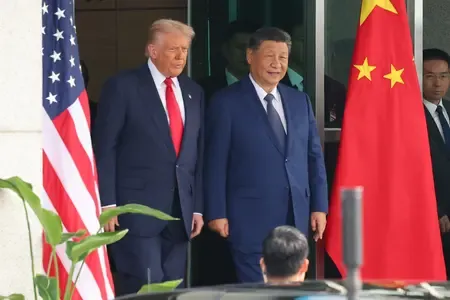
Two Republican lawmakers have urged President Donald Trump to press Chinese President Xi Jinping for reliable, enforceable access to China's soybean and beef markets when the two leaders meet this week, warning that past commitments have left American agricultural producers facing prolonged uncertainty.
The Congressional Push
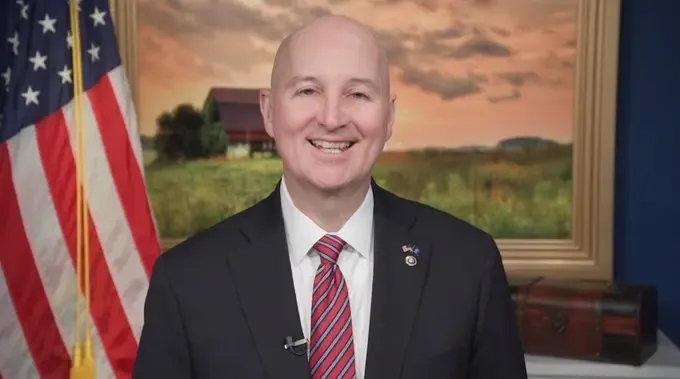
Senator Pete Ricketts of Nebraska wrote to US Trade Representative Jamieson Greer ahead of the bilateral talks, asking the administration to secure deeper access for American farm products and ensure Beijing fulfils existing purchase commitments. Separately, Representative Zach Nunn of Iowa made a parallel appeal, insisting that any new trade agreement must deliver enforceable outcomes for farmers and workers rather than another round of pledges that prove difficult to rely upon.
'President Trump has leverage going into this meeting, and he should use it to demand real results for Iowa farmers and American workers,' Nunn said in a statement.
Soybeans: A Broken Promise Pattern
Both lawmakers focused heavily on soybeans, one of the most significant American agricultural exports to China. Ricketts' office noted that China had agreed in October 2025 to purchase 25 million metric tonnes of US soybeans annually. Nunn said he had separately pushed the administration earlier this year to secure China's commitment to reopen its market to American soybeans.
The central concern now is whether those purchases will continue as pledged. Ricketts argued that Beijing had previously failed to meet commitments made under the earlier Phase One trade agreement, and his letter asked Greer to actively monitor Chinese purchase levels and press for continued compliance. This is not the first time Congress has had to raise alarms over Beijing's soybean follow-through — a pattern that critics argue reflects a structural gap between China's trade assurances and its actual buying behaviour.
Beef Access and Opaque Standards
Beef emerged as the second major flashpoint in Ricketts' letter. He noted that a May 2026 deal had helped restore some access for US processing facilities after China renewed licences it had allowed to lapse — but said many facilities remained suspended. He also flagged what he described as an unpublished Chinese limit on residues from certain hormones in beef, arguing that exporters did not know how that limit was tested or consistently enforced, creating planning difficulties for Nebraska producers.
The supplied material does not include Beijing's response to these characterisations. Ricketts asked Greer to use the bilateral discussions to secure clearer standards and broader access for American beef. He noted that Nebraska exported nearly $8 billion in agricultural goods last year and leads the United States in beef and veal exports.
Broader Trade and Security Concerns
Nunn framed the farm trade question in wider strategic terms, arguing that any agreement should open Chinese markets to US products without simultaneously granting Beijing greater influence over American farmers, manufacturers, or national security considerations.
'Beijing has a long record of making promises and failing to deliver on them,' Nunn said. 'But it's clear we can't take Beijing at its word.'
The agricultural demands sit alongside a broader congressional wish-list for the Trump–Xi meeting, which reportedly includes tighter controls on advanced AI chip exports, discussions on AI safety frameworks, and stronger action on security-related concerns.
What to Watch
The outcome of this week's Trump–Xi talks will be closely tracked by America's farm belt, where uncertainty over Chinese purchasing has weighed on commodity prices and producer planning. Whether the two sides reach enforceable mechanisms — rather than broad statements of intent — will be the definitive test of whether this round of diplomacy meaningfully differs from its predecessors.
Point of View
Not market outcomes, and no bilateral agreement changes that without a credible verification and penalty mechanism. Congress is right to demand enforceability, but the Trump administration has yet to indicate it will insist on one — which means this round of 'commitments,' if any emerge, risks the same fate as the last.
NationPress
24 Sept 2026
Frequently Asked Questions
Why are US lawmakers pressing Trump on China farm trade ahead of the Xi meeting?
Two Republican lawmakers — Senator Pete Ricketts of Nebraska and Representative Zach Nunn of Iowa — argue that China has repeatedly failed to honour past agricultural purchase commitments, including under the Phase One trade deal, leaving American soybean and beef producers in uncertainty. They want the Trump–Xi talks this week to produce enforceable, verifiable market access rather than broad pledges.
What is China's soybean purchase commitment to the US?
According to Ricketts' office, China agreed in October 2025 to buy 25 million metric tonnes of US soybeans annually. Lawmakers are now concerned that purchases may not continue as promised, echoing complaints about Phase One compliance gaps.
What is the beef trade dispute between the US and China about?
A May 2026 deal helped restore access for some US beef processing facilities after China renewed licences it had allowed to expire. However, Senator Ricketts says many facilities remain suspended and that an unpublished Chinese limit on hormone residues in beef creates uncertainty, as exporters do not know how the standard is tested or enforced.
How significant is Nebraska's agricultural trade with China?
Nebraska exported nearly $8 billion in agricultural goods last year and leads the United States in beef and veal exports, making reliable Chinese market access a top economic priority for the state's producers.
What other issues are Congress members raising for the Trump–Xi meeting?
Beyond farm trade, lawmakers are also calling for tighter controls on exports of advanced AI chips to China, discussions on AI safety frameworks, and stronger action on national security-related concerns — indicating that agriculture is just one part of a much broader congressional wish-list for the summit.