Why Are Talks on Utilizing Russian Assets for Ukraine Becoming More Challenging?
Synopsis
As the European Union grapples with the complexities of financing support for Ukraine, talks on leveraging frozen Russian assets face mounting challenges. With significant financial implications at stake, this development underscores the intricate dynamics of international relations and the pressing need for decisive action.
Key Takeaways
The EU faces increasing challenges in financing support for Ukraine.
Frozen Russian assets amount to approximately $300 billion.
Belgium has raised concerns about the legal implications of a reparations loan.
Russia has condemned the EU's plans and threatened retaliation.
The situation underscores the complexities of international relations.
Brussels, Dec 15 (NationPress) Discussions within the European Union regarding the financing of future support for Ukraine, which includes plans to utilize frozen Russian state assets, have become "increasingly difficult," as stated by an EU official on Monday.
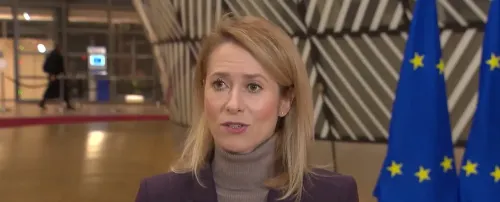
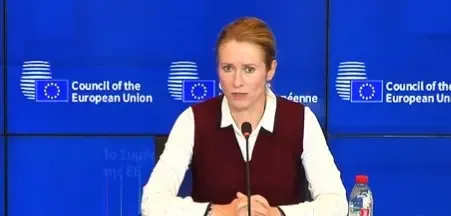
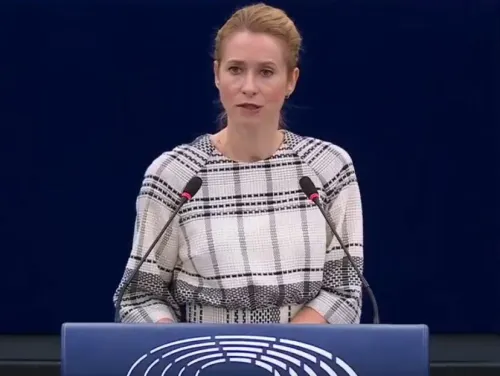
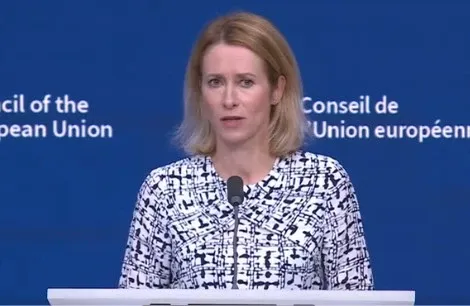
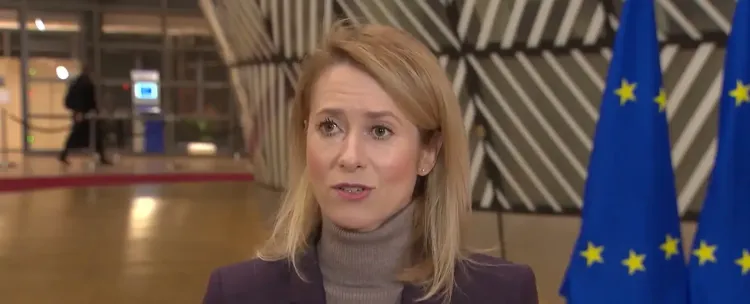
Kaja Kallas, the EU High Representative for Foreign Affairs and Security Policy, made these comments ahead of the upcoming EU Foreign Affairs Council session in Brussels. She emphasized that EU leaders are scheduled to convene on Thursday and Friday for the final summit of the year.
The bloc aims to reach a decision regarding the funding for Ukraine during this gathering. "We will not leave the meeting before we get a result," she remarked, according to Xinhua News Agency.
There are several financing options still under consideration, but Kallas indicated that the "most credible option" is a so-called "reparations loan" that would be supported by frozen Russian assets.
This push for financing comes as the EU aims to ensure stable support for Ukraine through 2026 and 2027.
Since the onset of the Russia-Ukraine conflict in February 2022, Western nations have frozen approximately 300 billion US dollars in Russian sovereign assets. The European Union has frozen around 210 billion euros (approximately 246.4 billion dollars) in Russian central bank assets, primarily held at Euroclear in Brussels.
Earlier this month, EU governments reached an agreement to indefinitely freeze these Russian central bank assets, transitioning from a previous six-month renewal system to mitigate the risk of any single member state blocking the measure.
Belgium, which holds the majority of the immobilized assets, has raised concerns regarding the legal and financial implications of the "reparations loan." These concerns have complicated earlier attempts to finalize an agreement regarding the proposed loan.
In response, the Russian Foreign Ministry criticized the European Union for its intentions to utilize Russian assets, labeling it an "illegitimate institution and a gang that legitimizes utterly criminal ideas," according to local media.
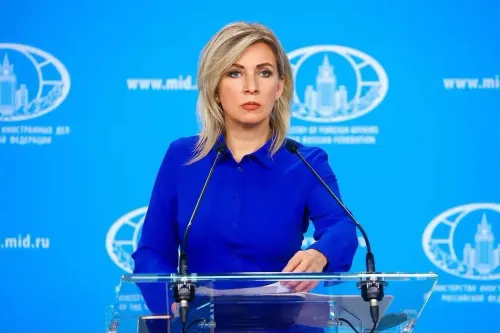
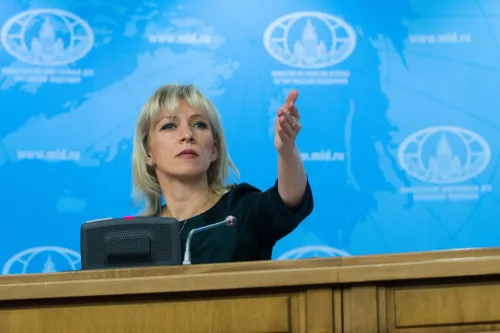
On December 5, Russian Foreign Ministry spokesperson Maria Zakharova referred to the EU as a "criminal group" and questioned the legality of their plans. Her comments followed the European Commission's announcement regarding the seizure of Russian assets in Europe valued at €210 billion under the "reparations loan" scheme, intended to support Ukraine's financial needs and urging non-EU Western nations to join this initiative, as reported by the Russian state-run news agency TASS.
Zakharova stated, "The European Union has become not just an illegitimate institution, but, better yet, a gang that legitimizes utterly criminal ideas and decisions. I believe this is unprecedented. How else are they discussing this publicly? Trying to find something to tie it to? And knowing there's no legal basis for it, they're no longer creating coalitions, but rather criminal groups."
She warned that Russia would implement "harsh retaliatory measures" if the EU proceeds with such actions, emphasizing that this response would not be merely verbal but also practical.
Zakharova added, "If these actions are committed — namely, theft — if there are attempts at banditry and the seizure of Russian assets, then yes, I can confirm that retaliatory measures are indeed being developed interdepartmentally."
"This will not be a verbal response, not just notes of protest. It will involve both statements and practical actions. They understand this perfectly well, which is why they're squirming like snakes in a frying pan," she concluded.
Point of View
It's essential to recognize the delicate balance of international diplomacy at play. While the potential use of frozen Russian assets may seem a viable option for supporting Ukraine, the legal and political ramifications are profound. It is imperative that the EU navigates this situation carefully, ensuring that any actions taken align with international law and promote lasting stability.
NationPress
27 Sept 2026
Frequently Asked Questions
What are frozen Russian assets?
Frozen Russian assets refer to funds and properties that have been immobilized by Western nations in response to the Russia-Ukraine conflict, amounting to approximately $300 billion.
Why is the EU considering a reparations loan?
The EU is considering a reparations loan backed by frozen Russian assets to provide financial support to Ukraine, ensuring stability through 2026 and 2027.
What concerns have been raised by Belgium?
Belgium has expressed legal and financial liability concerns regarding the reparations loan, complicating negotiations.
How has Russia reacted to the EU's plans?
Russia has condemned the EU's intentions to use its assets, labeling the EU as an 'illegitimate institution' and threatening retaliatory measures.
What is the significance of this situation?
This situation highlights the complexities of international law, diplomacy, and the ongoing conflict between Russia and Ukraine.