Second Randomisation of EVMs for April 9 Elections in Assam, Kerala, and Beyond
Synopsis
The Election Commission of India is ensuring transparency in the electoral process by conducting a second randomisation of EVMs for the April 9 Assembly elections in multiple states. Learn more about the candidates and the significance of this procedure.
Key Takeaways
Second randomisation of EVMs conducted for April 9 elections.
Involves multiple states including Assam , Kerala , and Puducherry .
A total of 1,955 candidates are contesting.
Lists of randomised EVMs shared with candidates.
Ensures transparency and integrity in the electoral process.
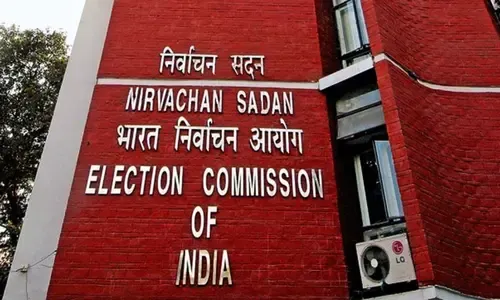
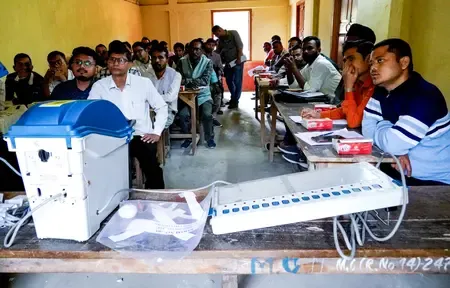
New Delhi, March 31 (NationPress) The Election Commission of India (ECI) announced on Tuesday that the second round of randomisation of Electronic Voting Machines (EVMs) has been successfully conducted using the EVM Management System (EMS) by the Returning Officers for the upcoming April 9 Assembly elections in Assam, Kerala, and Puducherry, along with bye-elections in Goa, Karnataka, Nagaland, and Tripura.
The ECI stated that the lists of both first and second-randomised EVMs and Voter Verifiable Paper Audit Trails (VVPATs) will be shared with all participating candidates, who were present during this second-phase process.
The allocation of EVMs to their designated polling stations is executed through a two-step randomisation method within the EVM Management System. Initially, EVMs are randomly selected from district-level storage to the respective Assembly Constituencies (ACs). Subsequently, the EVMs are randomly assigned from the AC level down to the polling station level.
The ECI has also indicated that a similar second randomisation for EVMs will take place for the General Election concerning the Legislative Assemblies of Tamil Nadu and West Bengal, as well as for the bye-elections in the remaining two states, following the final date for withdrawal of candidacies.
In total, there are 1,955 candidates contesting in the Assembly elections across two states and a Union Territory, in addition to the bye-elections being held in four other states, all slated for April 9. The poll panel revealed that 250 candidates retracted their nominations after submitting their papers.
Among the states participating in the elections, Assam features 126 Assembly seats with 722 candidates, while Kerala, which has 140 seats, has 890 candidates. The Union Territory of Puducherry, with 30 seats, includes 294 candidates in the electoral race.
Regarding the bye-elections, there are three candidates vying for a single seat in Goa. In Karnataka, there are 34 candidates contesting for two seats, while in Nagaland and Tripura, six candidates each are competing for one seat.
Point of View
Reflecting a commitment to uphold democratic values. The participation of numerous candidates across various states underscores the competitive nature of the upcoming elections.
NationPress
11 Oct 2026
Frequently Asked Questions
What is the purpose of EVM randomisation?
EVM randomisation is conducted to ensure the fair allocation of Electronic Voting Machines to polling stations, minimizing the risk of tampering and ensuring transparency in the electoral process.
How many candidates are contesting in the April 9 elections?
A total of 1,955 candidates are contesting in the Assembly elections across Assam, Kerala, Puducherry, and the bye-elections in Goa, Karnataka, Nagaland, and Tripura.
What states are involved in the April 9 elections?
The states involved in the April 9 elections include Assam, Kerala, and Puducherry, along with bye-elections in Goa, Karnataka, Nagaland, and Tripura.
Why is transparency important in elections?
Transparency is vital in elections to build public trust, ensure fairness, and uphold the integrity of the democratic process.