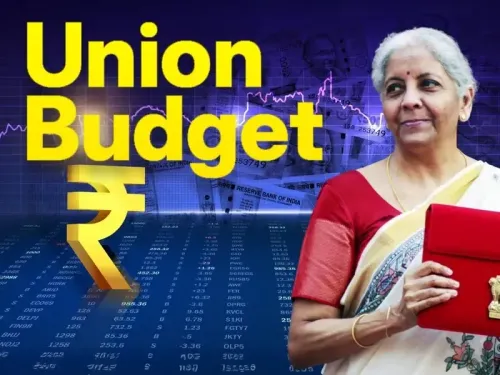
What Should We Expect from Budget 2026–27? Affordable Housing, Tax Cuts, and Women-Led Growth on Expert's Agenda
Synopsis
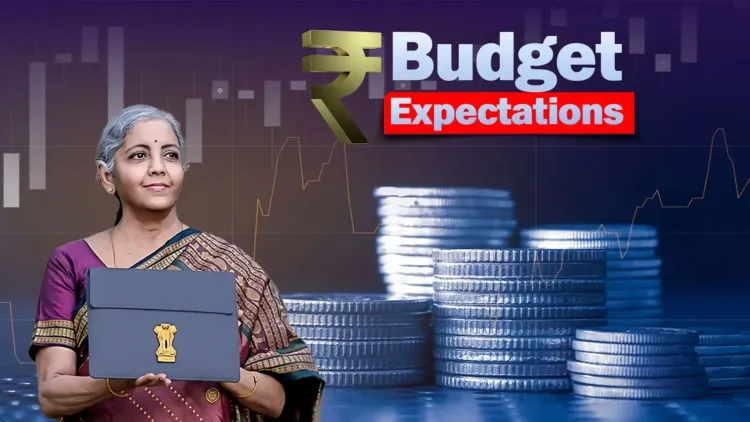
As the Union Budget 2026–27 approaches, experts advocate for affordable housing, tax relief for seniors, and enhanced support for women entrepreneurs. With rising expectations, will the upcoming budget address the needs of the common citizen effectively?
Key Takeaways
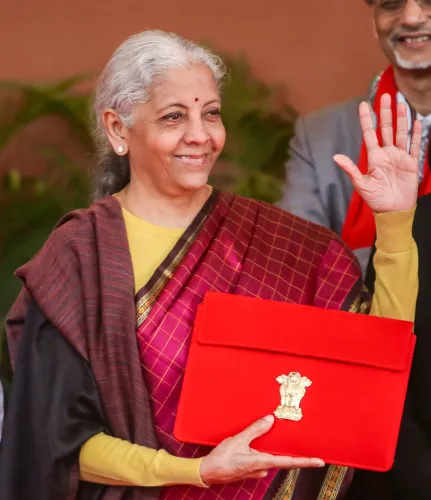
Union Budget 2026–27 will be presented on February 1.
Experts emphasize the need for affordable housing reforms.
Tax relief for senior citizens is a significant expectation.
Support for women entrepreneurs remains a priority.
The budget should focus on grassroots challenges.
New Delhi, Jan 21 (NationPress) As the Union Budget for 2026–27 approaches its presentation date on February 1, anticipation is building across various sectors such as real estate, capital markets, MSMEs, women, and senior citizens, according to experts on Wednesday.
They emphasized that the forthcoming budget needs to tackle grassroots challenges and ensure its advantages reach everyday citizens.
In a conversation with IANS, Govind Agrawal, president of the Eastern Bihar Industries Association, stated that the real estate sector significantly impacts the average person and is vital for economic health.
He highlighted that this sector contributes nearly 7 percent to India’s GDP and ranks as the second-largest employment provider after agriculture.
Agrawal urged the government to reconsider the classification of affordable housing in the budget.
Additionally, he advocated for the implementation of a GST input tax credit for builders, noting that the lack of this benefit raises construction expenses and subsequently home prices.
Pradeep Jhunjhunwala, a chartered accountant and economist from Bhagalpur, expressed that the budget should be focused on the people.
He called for specific tax relief for senior citizens, including an elevated TDS threshold and an increase in the tax-free income cap.
Jhunjhunwala also suggested enhancing the tax exemption limit in the real estate sector to a minimum of Rs 1 crore.
Meanwhile, tax expert and chartered accountant Sanjay Kumar Sakal pointed out that global uncertainties and tariff-related conflicts under US leadership have exerted pressure on stock markets worldwide.
He noted that the markets have experienced significant volatility over the last two years due to issues like wars and tariff disputes.
On the subject of women-focused initiatives, entrepreneur Priya Soni remarked that the government has initiated several programs aimed at empowering women, aiding many in achieving self-reliance.
However, she noted that awareness remains low in rural and underdeveloped areas. Soni recommended that information regarding government schemes be disseminated in accessible language via large posters and outreach initiatives.
Furthermore, she highlighted that financial support for women has not matched inflationary trends. She called for increased funding under programs such as maternity benefits and nutritional schemes.
Moreover, Soni emphasized that women entrepreneurs require not just funding but also marketing assistance and dedicated women-focused marketplaces to facilitate easier sales of their products.
Point of View
It is imperative to recognize the diverse expectations from the Union Budget 2026–27. The emphasis on affordable housing, tax relief, and women's empowerment reflects a growing awareness of pressing societal issues. The government's response will be critical in addressing these challenges and fostering inclusive growth.
NationPress
1 Oct 2026
Frequently Asked Questions
What are the key expectations from the Union Budget 2026–27?
Expectations include affordable housing initiatives, tax relief for senior citizens, and increased support for women entrepreneurs to foster economic growth.
Why is affordable housing important?
Affordable housing is crucial as it directly impacts the quality of life for citizens and plays a significant role in the overall economy.
How does the real estate sector contribute to the economy?
The real estate sector contributes nearly 7% to India's GDP and is the second-largest provider of employment after agriculture.
What measures are being suggested for women entrepreneurs?
Experts suggest increased financial assistance, marketing support, and the establishment of women-centric marketplaces.
What role do senior citizens play in this budget?
Senior citizens are advocated for through potential tax relief measures and increased tax-free income limits to enhance their financial security.