Fadnavis launches 174 digital services, eyes zero bureaucracy
Synopsis
Maharashtra wants to take officials out of public services. Fadnavis launched 174 digital services and set a 26 January 2027 deadline for “zero bureaucracy.” Pensioners can now generate life certificates on their phones, and documentation demands have been cut by over half. But only 35% of the 1,129 reform tasks are complete, which makes the deadline a race against time.
Key Takeaways
CM Devendra Fadnavis launched 174 digital services in Mumbai on 26 November 2026 .
Of 1,129 GPR tasks, 397 (about 35% ) are complete, and the full rollout target is 26 January 2027 .
The services span Maitri 2.0 (76), Aaple Sarkar (RTS) 2.0 (74) and MahaDBT 2.0 (24).
MahaUplabdhi lets pensioners generate digital life certificates on mobile without physical verification.
Over 100 redundant services have been scrapped and documentation cut by over 50% , according to Chief Secretary Rajesh Aggarwal .
A new rural livestock entrepreneurship scheme offers 50% subsidy for the general category and 75% for women and SC/ST beneficiaries.
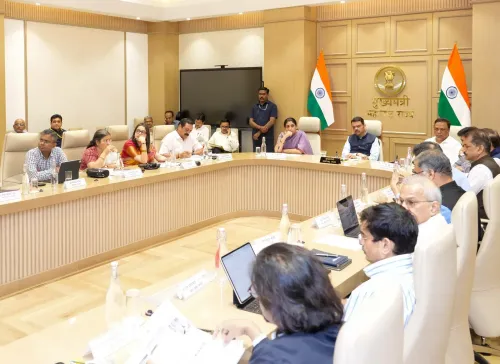
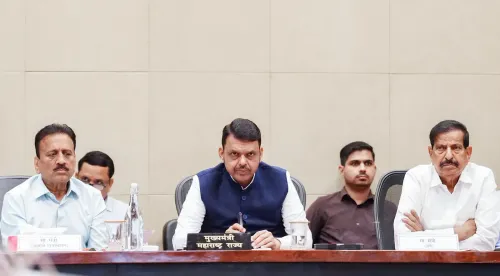
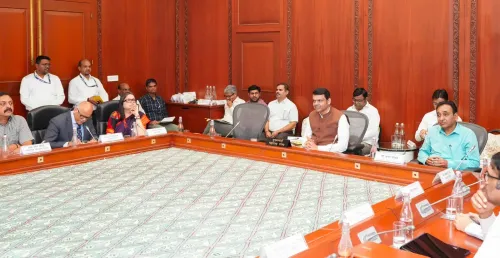
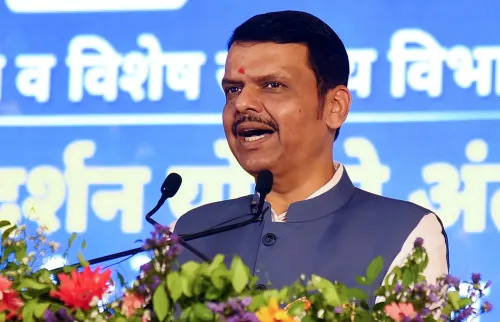
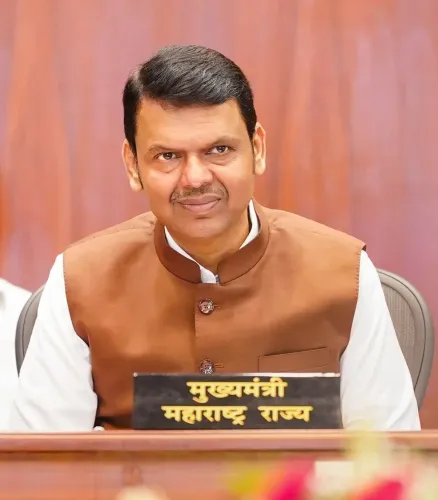
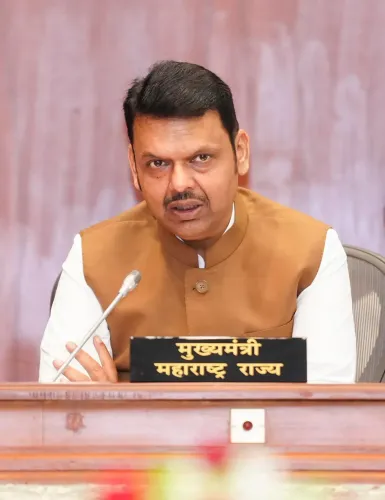
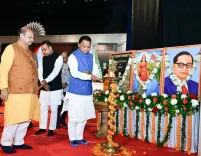
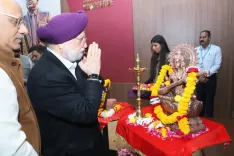
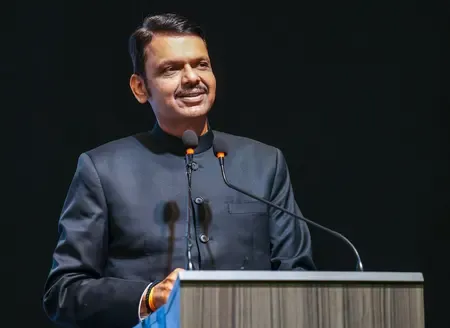
Maharashtra Chief Minister Devendra Fadnavis on Thursday, 26 November 2026, launched 174 digital services in Mumbai. He also directed all state departments and district administrations to speed up the Governance Process Re-engineering (GPR) initiative so that citizens experience a new level of digital governance by 26 January 2027. Fadnavis said the state is moving steadily toward “zero bureaucracy” by minimising human intervention, cutting redundant steps and delivering schemes and services transparently and quickly.
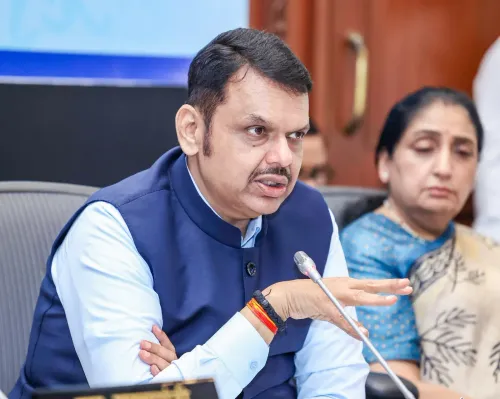
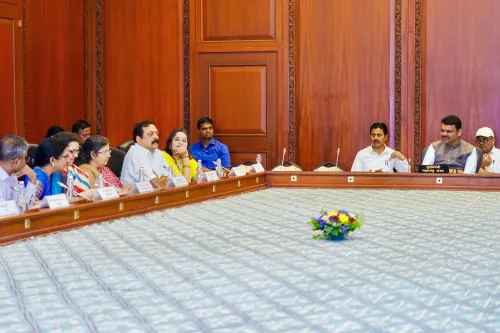
The launch event was attended by Deputy Chief Minister Sunetra Ajit Pawar, Ministers Pankaja Munde and Adv. Ashish Shelar, Chief Secretary Rajesh Aggarwal, senior secretaries, and representatives of Maha IT and the Information Technology Department.
Key Developments in the GPR Drive
The state has completed 397 of its 1,129 targeted governance process re-engineering tasks, or about 35 per cent. The services launched on Thursday are spread across three platforms:
- 76 on Maitri 2.0
- 74 on Aaple Sarkar (RTS) 2.0
- 24 under the Direct Benefit Transfer platform MahaDBT 2.0
According to the Chief Minister, around 350 services have been rationalised so far and 729 Government Resolutions (GRs) have been issued. More key services are scheduled to go live by 24 December. Pending approvals and technical work are slated for completion by 31 December, ahead of the Republic Day milestone.
New Platforms Unveiled
Fadnavis also launched several new governance tools:
- MahaSarathi, for data-driven governance and better service accuracy.
- MahaUplabdhi, which lets pensioners and beneficiaries generate digital life certificates on their mobile phones without physical verification.
- A state-centre correspondence tracking system.
- A government quarters allotment system.
- The Maharashtra Aadhaar Dashboard.
The Chief Minister said digital governance will help remove unnecessary affidavits, reduce repeated document submissions and move administration toward paperless working. District collectors and local agencies have been tasked with strengthening service centres, monitoring operations and resolving grievances.
Rural Entrepreneurship and the Constitution Day Link
Animal Husbandry Minister Pankaja Munde outlined a new, fully online scheme developed with MahaIT to help rural youth become self-employed entrepreneurs. It will support enterprises in eggs, milk, poultry, meat production, goat rearing and piggery, with the aim of building regional production clusters.
Subsidies under the scheme are as follows:
- General category beneficiaries will receive a 50 per cent subsidy.
- Women and Scheduled Caste and Scheduled Tribe beneficiaries will receive 75 per cent.
District-level clusters are planned after the first phase of applications.
Electronics, Information Technology and AI Minister Ashish Shelar linked the rollout to Constitution Day, which falls on 26 November. He said fast, transparent delivery of public schemes helps citizens realise their constitutional rights in practice.
Six Pillars of Reform
Chief Secretary Rajesh Aggarwal reviewed the re-engineering drive. He highlighted three priorities:
- Backend development for MahaSarathi.
- Strengthening MahaIT.
- Building API Setu to connect with central government databases.
He said the reforms rest on six pillars:
- Cancelling redundant services.
- Auto-generating certificates and documents from existing data.
- Merging overlapping services.
- Trimming application fields and required documents.
- Cutting approval layers.
- Decentralising authority.
According to Aggarwal, more than 100 redundant services have been scrapped and documentation requirements have been cut by over 50 per cent. Most departments have also delegated powers to field officers.
What Happens Next
About two-thirds of the targeted tasks remain incomplete, and the deadline is just two months away. The next checkpoints are the 24 December service rollouts and the 31 December cut-off for approvals. Together, they will show whether Maharashtra can meet its 26 January 2027 goal.
Point of View
But the numbers tell a more modest story. With roughly 65% of the 1,129 re-engineering tasks still pending and only two months to the deadline, 26 January risks becoming a showcase date rather than a finish line. The more meaningful reforms are the less glamorous ones: halving document demands, ending physical life-certificate checks for pensioners and pushing powers down to field officers. Whether these improve services in practice depends on rural connectivity, the capacity of service centres and grievance redressal that actually works. Citizens should judge the drive by how long it takes to get a certificate, not by how many services are announced.
NationPress
26 Nov 2026
Frequently Asked Questions
What is Maharashtra's zero bureaucracy initiative?
It is the state's push to deliver government services digitally with minimal human intervention, fewer redundant steps and faster, more transparent processing. It is being implemented through the Governance Process Re-engineering (GPR) programme, with a target of 26 January 2027.
How many digital services did Fadnavis launch?
Chief Minister Devendra Fadnavis launched 174 digital services on 26 November 2026. They include 76 on Maitri 2.0, 74 on Aaple Sarkar (RTS) 2.0 and 24 under MahaDBT 2.0.
What is MahaUplabdhi?
MahaUplabdhi is a new platform that lets pensioners and beneficiaries generate digital life certificates on their mobile phones without physical verification. It was among several tools unveiled alongside the service launch.
How much of the GPR target has Maharashtra completed?
The state has completed 397 of 1,129 targeted tasks, about 35 per cent. More services are due to go live by 24 December, with pending approvals and technical work slated for completion by 31 December.
Who benefits from the new livestock entrepreneurship scheme?
Rural youth wanting to start enterprises in eggs, milk, poultry, meat, goat rearing or piggery can apply through a fully online process. General category beneficiaries get a 50 per cent subsidy, while women and SC/ST beneficiaries get 75 per cent.