What Happened to the Family in the Indravati River Boat Tragedy?
Synopsis
The devastating boat tragedy in Bijapur, Chhattisgarh, has resulted in the loss of an entire family, leaving a community in mourning. This incident highlights the ongoing struggles faced by remote tribal regions in India, where infrastructure deficiencies put lives at risk. What happened, and how can we prevent such tragedies in the future?
Key Takeaways
Tragic loss of an entire family highlights the dangers faced by remote communities.
Infrastructure deficiencies continue to put lives at risk.
Importance of effective communication during emergencies.
Need for enhanced safety measures on waterways.
Community resilience in the face of devastating loss.
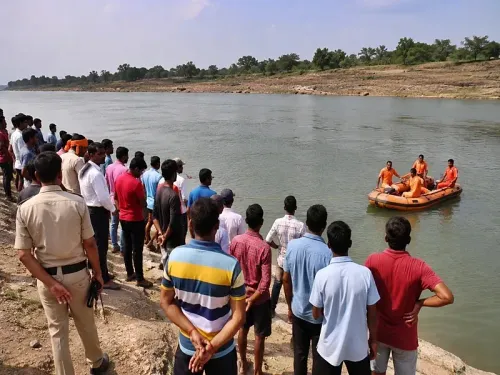
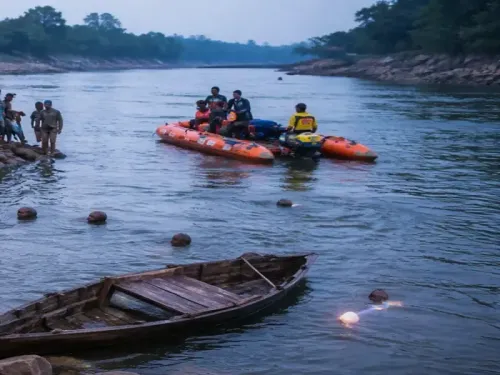
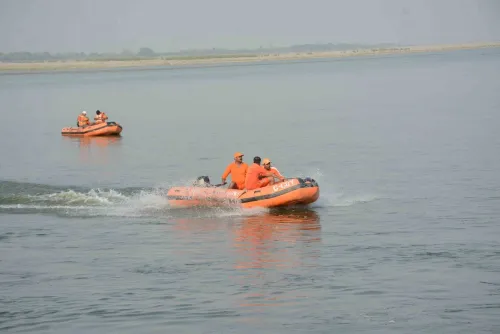
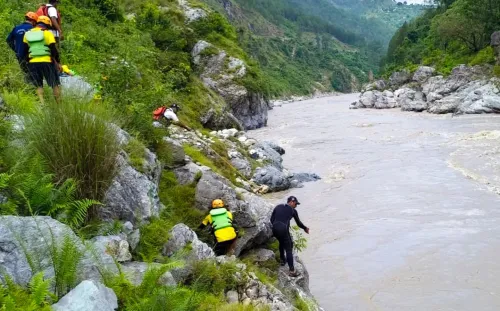
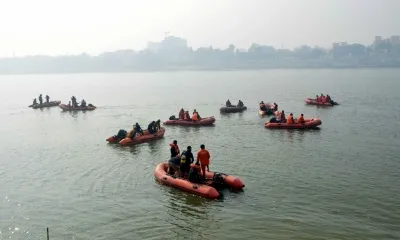
Raipur/Bijapur Jan 24 (NationPress) In a tragic conclusion to an extensive search in the secluded Bijapur district of Chhattisgarh, rescue teams discovered the last body on Saturday from the Indravati River.
The final victim, 70-year-old Bhado, was located caught in thick underbrush along the riverbank approximately a kilometer downstream from where the incident occurred. Just a day prior, the body of 25-year-old Sunita Kawasi was found about 500 meters from the site of the tragedy, bringing to an end a challenging operation complicated by powerful currents and dense foliage.
Earlier recoveries included the bodies of 45-year-old Podia and her young two-year-old son Rakesh, discovered tied together with a towel, suggesting a mother’s desperate attempt to shield her child from the rushing waters.
This incident claimed the lives of an entire family from Bodga village: Podia, Rakesh, Sunita Kawasi, and her grandfather Bhado. The loss has left the close-knit tribal community in this remote area in deep mourning.
Compounding the tragedy, the family’s patriarch Sannu remains unaware of the incident. He had departed weeks earlier for work in Andhra Pradesh, and the lack of reliable communication in this Naxal-affected region has hindered any attempts to inform him, leaving villagers struggling with how to convey the devastating news.
The accident occurred as the group was returning from the weekly market in Uspari, a customary trip for residents of Bodga and neighboring villages.
With no bridge, paved roads, or alternative routes across the river in this Maoist-influenced area near the dense Abujhmad forests, residents rely solely on overloaded wooden boats to cross.
During the crossing with around a dozen passengers, the boat was suddenly capsized by the swollen monsoon currents, throwing four individuals into the water.
Local elders recount that the Indravati has claimed many lives over the years, particularly during the post-rainy season when its waters become treacherous and merciless.
While ongoing anti-Naxal initiatives have improved security with camps now established along previously dangerous routes, the ongoing absence of fundamental infrastructure continues to threaten lives in these isolated tribal communities.
Point of View
Emphasizing the urgent need for improved infrastructure and safety measures. As we reflect on this heartbreaking loss, we must consider how to better support these communities and prevent such calamities in the future. It's a reminder of our responsibility to advocate for change and enhance safety in remote areas.
NationPress
13 Oct 2026
Frequently Asked Questions
What caused the boat tragedy in Bijapur?
The boat tragedy occurred when a boat carrying around a dozen passengers capsized due to the swollen currents of the Indravati River during the monsoon season.
How many lives were lost in the incident?
The tragedy resulted in the loss of an entire family from Bodga village, including four members: Podia, her son Rakesh, his wife Sunita Kawasi, and her grandfather Bhado.
What are the risks faced by villagers in the region?
Villagers in the region face significant risks due to the lack of infrastructure, relying on overloaded wooden boats to cross the river, especially in the post-rainy season when currents are particularly dangerous.
Is there any ongoing support for the affected community?
While anti-Naxal operations have improved security in the area, ongoing support for infrastructure development is crucial to enhance safety for tribal communities.
What communication challenges exist in the region?
Poor network coverage in the Naxal-affected area has hindered communication, making it difficult for families to stay informed about each other during emergencies.