FCC Takes Bold Steps to Eliminate Robocalls at Their Source
Synopsis
The FCC has proposed a significant overhaul of regulations to combat illegal robocalls, targeting the source where scammers acquire phone numbers. This strategic shift aims to enhance consumer protection and restore trust in communication networks.
Key Takeaways
FCC proposes new rules to combat illegal robocalls.
Focus on early intervention in the scam process.
Regulations aim to enhance consumer protection .
Proposal includes stricter controls on phone number resale .
Addressing issues like number cycling to prevent evasion.
Washington, March 27 (NationPress) The Federal Communications Commission has introduced comprehensive new regulations aimed at eliminating illegal robocalls before they initiate, by enforcing stricter measures on the issuance, resale, and utilization of phone numbers within the telecommunications framework.
This proposal signifies a notable change in approach. Instead of solely concentrating on blocking undesired calls post-factum, regulators are now seeking to intervene at an earlier phase—specifically, where scammers acquire the numbers that facilitate those calls.
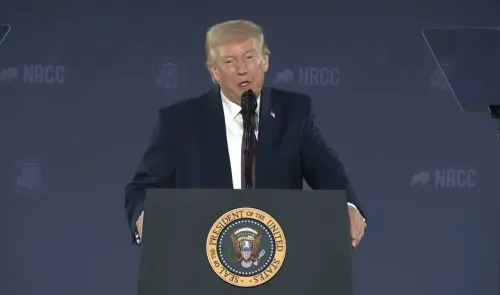
“Today’s initiative bolsters our continuous efforts to complicate the process for malicious entities to gain access to numbering resources,” stated FCC Chairman Brendan Carr on Thursday. “If these wrongdoers cannot acquire phone numbers, it becomes significantly more challenging to produce illegal robocalls.”
Central to the proposal is an initiative to broaden certification and disclosure mandates to encompass all service providers that receive phone numbers, whether directly or indirectly. The agency is also advocating for enhanced transparency regarding how these numbers are utilized and resold, as this segment of the system has historically been abused.
Investigations have revealed that the issue often originates in the resale market. The FCC’s Enforcement Bureau has indicated that “the majority of its robocall investigations have involved resold numbers,” highlighting concerns regarding inadequate oversight throughout the distribution chain.
The Commission is contemplating restricting the resale of numbers to a single tier, a measure intended to minimize the intermediary levels through which numbers can traverse before reaching end users. Additionally, it is proposing to extend robocall certification requirements to all providers receiving numbering resources, including resellers.
Regulators assert that such modifications are crucial to closing loopholes that scammers frequently exploit. One such strategy, termed “number cycling,” enables malicious actors to rotate through vast pools of phone numbers—often utilizing them just once—to avoid detection and enforcement.
Commissioner Olivia Trusty noted that the issue has become increasingly intricate with the transition to modern, internet-based communication networks. These advancements have rendered it “more challenging to identify who is utilizing telephone numbers and for what objectives,” she remarked.
While campaigns to increase consumer awareness remain vital, Trusty emphasized that enforcement must go further. “Consumers should not have to bear this burden alone,” she stated, insisting that regulators must “disrupt harmful activities before they impact the public.”
This proposal is part of the FCC's larger effort to restore confidence in the nation’s voice networks.
Point of View
It's crucial to recognize the FCC's proactive stance in combating the rampant issue of robocalls. The proposed regulations aim to address the problem at its roots, ensuring that consumers are better protected from unwanted disturbances. This approach not only enhances consumer trust but also holds service providers accountable for their role in the telecommunications ecosystem.
NationPress
29 Sept 2026
Frequently Asked Questions
What are the new FCC rules regarding robocalls?
The FCC has proposed new regulations to tighten control over phone number issuance and resale, aiming to prevent illegal robocalls before they start.
How will these changes impact consumers?
These changes are designed to protect consumers from unwanted robocalls and restore confidence in communication networks.
What is number cycling?
Number cycling is a tactic used by scammers to rotate through large pools of phone numbers, often using them only once to avoid detection.
Why is the resale market a concern?
The resale market has been identified as a primary source of the robocall issue, with many investigations involving resold numbers due to weak oversight.
What role do service providers play in robocalls?
Service providers are responsible for issuing and reselling phone numbers, and the FCC's new regulations will hold them accountable for how these resources are used.