Fishing cat rescued from railway bridge near Valmiki Tiger Reserve in Bihar
Synopsis
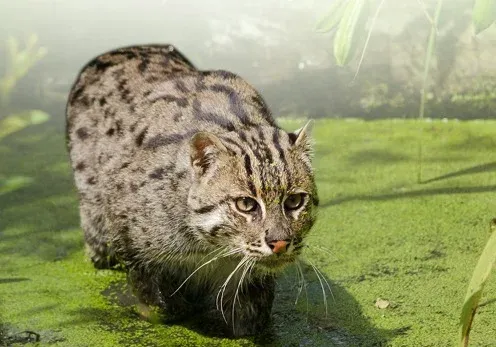
A Schedule I fishing cat, displaced by monsoon flooding in the Valmiki Tiger Reserve, was found injured on a railway bridge in Bihar's West Champaran — having reportedly survived a train strike and two weeks of hiding in sugarcane fields. The rescue highlights how rising Gandak River levels are pushing rare wildlife into human-dominated zones.
Key Takeaways
A rare fishing cat was rescued from Railway Bridge No.
349 on the Bagaha–Narkatiaganj rail section in West Champaran, Bihar on 21 July .
The animal sustained an injury to its lower back , reportedly from being struck by a passing train.
It had been roaming the Serahwa Sareh area and fields of Narval-Barval village for nearly two weeks before rescue.
Forest officials attribute the displacement to monsoon flooding and rising water levels in the Gandak River within the reserve.
The cat is under veterinary care at the Bagaha Forest Range facility and will be released into Valmiki Tiger Reserve after recovery.
The fishing cat is a Schedule I protected species and listed as Vulnerable on the IUCN Red List.
A rare fishing cat — believed to have strayed from the Valmiki Tiger Reserve (VTR) — was rescued on Tuesday, 21 July from Railway Bridge No. 349 on the Bagaha–Narkatiaganj rail section in West Champaran district, Bihar, after sustaining injuries reportedly consistent with being struck by a passing train. The rescue, carried out jointly by the Forest Department and Railway Police, briefly disrupted train services on the route before operations returned to normal.
How the Rescue Unfolded
The animal was first spotted on the bridge, located between Bagaha and Khairpokhara railway stations near the Main Tirhut Canal. Villagers initially mistook it for a leopard cub, triggering alarm in the area. Railway officials were alerted and, in turn, notified the Forest Department.
Bagaha Station Superintendent Santosh Pandey confirmed that instructions were immediately issued for trains to slow down or halt if required while the rescue was in progress. A team from the Bagaha Forest Range, supported by the Railway Police, surrounded the animal and secured it using a large net.
Injuries and Current Condition
According to Bagaha Forest Range Officer Malkar, the fishing cat had sustained an injury to its lower back, which was impairing its movement — likely the result of a glancing blow from a passing train. The animal has since been shifted to the Bagaha Forest Range facility, where it is receiving treatment under the supervision of veterinarian Sanjeev Kumar. Forest officials said the cat will be released back into a suitable habitat within the Valmiki Tiger Reserve once it has fully recovered.
Nearly Two Weeks in the Village
Residents of the area told officials that the fishing cat had been roaming around the Serahwa Sareh area for nearly two weeks before the rescue. Villagers reported multiple sightings in the fields of Narval-Barval village, where the animal was observed hiding in sugarcane crops and hunting small prey in nearby bushes — behaviour consistent with a disoriented or displaced wild cat.
Flooding Blamed for Wildlife Displacement
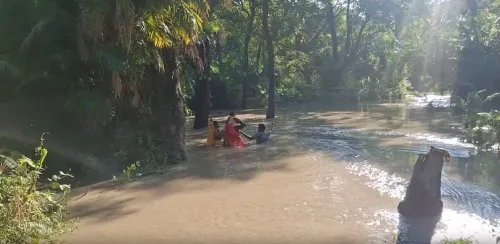
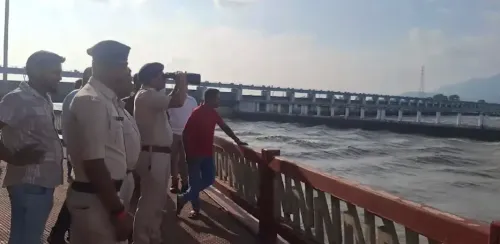
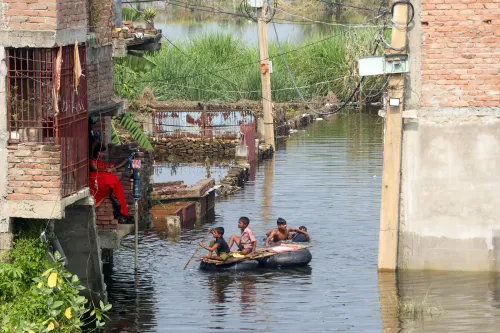
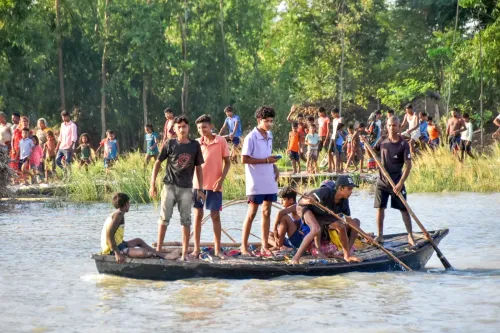
Forest officials believe that continuous rainfall and rising water levels in the Gandak River have caused flooding and waterlogging across low-lying sections of the Valmiki Tiger Reserve. This, they say, has forced several wild animals to move toward higher ground in search of safety — a pattern observed in previous monsoon seasons in the region. Notably, the fishing cat (Prionailurus viverrinus) is a Schedule I species under the Wildlife Protection Act and classified as Vulnerable on the IUCN Red List, making its conservation particularly significant.
Forest Department Advisory
The Forest Department has urged residents living near forest areas not to approach, disturb, or attempt to capture any wild animal they may encounter. Officials have asked the public to immediately contact the Forest Department or local authorities so that trained rescue personnel can respond safely, protecting both the animal and people in the vicinity.
Point of View
Recurring problem: monsoon-driven habitat inundation pushing Schedule I wildlife into rail and road corridors, where the risk of injury or death is high. The Gandak floodplain has seen this pattern before, yet there is no standing rapid-response protocol between forest and railway authorities in the region — the coordination here was reactive, not systematic. With climate patterns intensifying monsoon flooding, the Valmiki Tiger Reserve needs a pre-monsoon wildlife displacement plan, not just post-incident rescues. The fishing cat's two-week presence in a sugarcane village before anyone flagged it to authorities also points to a gap in community-level wildlife awareness that the Forest Department's advisory alone will not close.
NationPress
21 Oct 2026
Frequently Asked Questions
What is a fishing cat and why is it significant?
The fishing cat (Prionailurus viverrinus) is a wild cat species native to South and Southeast Asia, classified as Vulnerable on the IUCN Red List and protected under Schedule I of India's Wildlife Protection Act. It is a skilled swimmer and hunter of aquatic prey, and its presence near the Valmiki Tiger Reserve reflects the reserve's ecological health.
Where exactly was the fishing cat found in Bihar?
The fishing cat was found on Railway Bridge No. 349 on the Bagaha–Narkatiaganj rail section, between Bagaha and Khairpokhara stations near the Main Tirhut Canal in West Champaran district, Bihar.
What injuries did the fishing cat sustain?
According to Bagaha Forest Range Officer Malkar, the animal suffered an injury to its lower back, which was making movement difficult. The injury is believed to have been caused by a passing train.
Why did the fishing cat stray from the Valmiki Tiger Reserve?
Forest officials believe continuous rainfall and rising water levels in the Gandak River caused flooding and waterlogging in low-lying areas of the reserve, forcing wild animals — including the fishing cat — to move toward higher ground.
What happens to the fishing cat now?
The animal is currently receiving treatment at the Bagaha Forest Range facility under veterinarian Sanjeev Kumar. Forest officials have confirmed it will be released back into a suitable habitat within the Valmiki Tiger Reserve after it has fully recovered.