G20 Milwaukee: Diesel supply deal on sidelines as trade ministers clash on forced labour
Synopsis
Buried in the closing statement of the G20 Trade Ministers' meeting in Milwaukee is a quiet but potentially market-moving detail: sideline talks have contributed to an anticipated release of more diesel into the global market. With no countries named, no volumes specified, and no timetable given, the deliberately opaque disclosure raises as many questions as it answers — even as the headline ministerial agenda on forced labour and MFN reform produced only partial consensus.
Key Takeaways
US Trade Representative Jamieson Greer confirmed that sideline talks at the G20 Milwaukee ministerial contributed to an anticipated increase in global diesel supplies.
The statement did not name the countries involved, specify volumes, or provide a release timetable.
Full G20 consensus was reached on condemning the weaponisation of food through coercive trade actions.
A joint statement on eliminating forced labour in supply chains was issued only by the US , Mexico , and Argentina after broader G20 agreement failed.
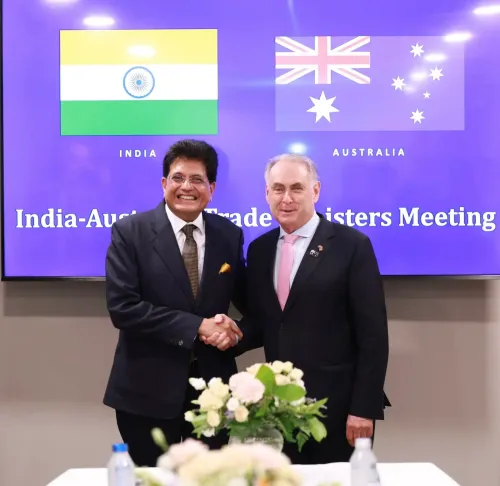
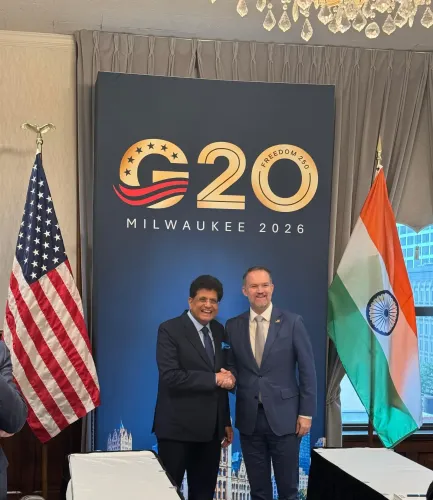
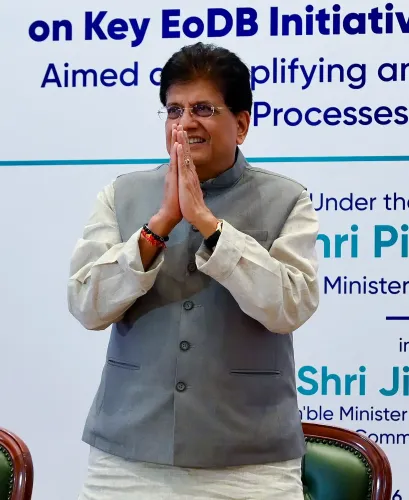
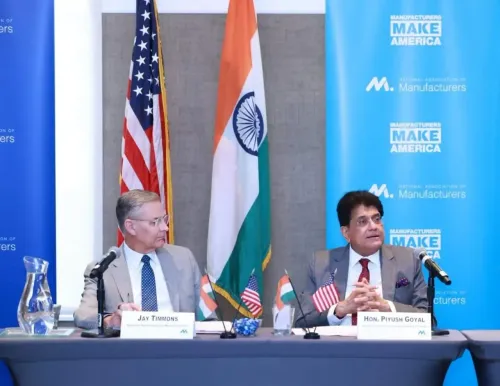
Commerce Minister Piyush Goyal represented India and held bilateral talks, including with Greer.
The ministerial precedes the G20 Leaders' Summit , which the US will host later this year.
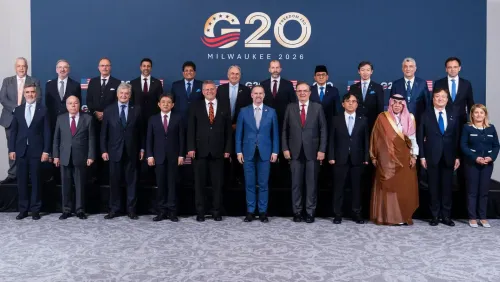
US Trade Representative Jamieson Greer said on 3 October 2026 that sideline discussions at the G20 Trade Ministers' meeting in Milwaukee had contributed to an anticipated increase in global diesel supplies — an unexpected energy-security outcome from a ministerial convened primarily to resolve disputes over trade rules and supply-chain practices.
The Diesel Disclosure
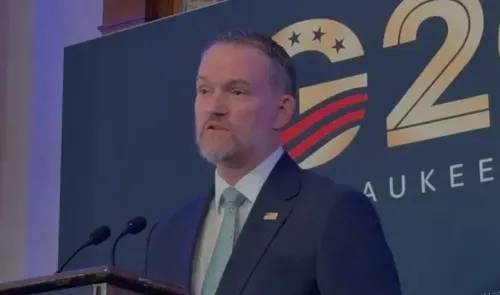
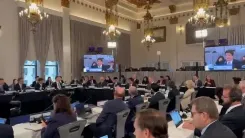
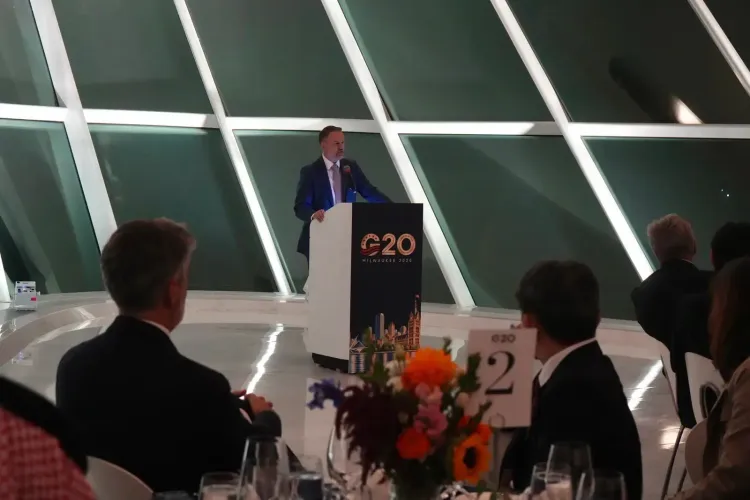
Greer, who chaired the two-day ministerial under the US G20 presidency, revealed the development in his closing statement. 'We also had constructive meetings on the sidelines regarding global diesel supplies which contributed to the anticipated release of more diesel into the global market,' he said.
The statement was notably circumspect: it did not identify the countries involved, specify the source of the additional fuel, indicate volumes, or set a timetable. Crucially, the language stopped short of calling it a formal G20 agreement — describing it instead as a sideline outcome that 'contributed to' an anticipated supply increase, a distinction that analysts may scrutinise closely.
India at the Table
Commerce and Industry Minister Piyush Goyal represented India at the Milwaukee gathering and held a series of bilateral meetings on its margins, including a session with Greer. The nature and outcomes of those talks were not separately disclosed in the US statement.
Where Consensus Held — and Where It Broke Down
The ministerial achieved full G20 consensus on one of its headline agenda items: a joint condemnation of the weaponisation of food through coercive trade actions. 'It is especially significant that the entire G20 was able to reach consensus on the statement on the weaponization of food through coercive trade actions,' Greer said.
However, agreement proved elusive on other US priorities. Efforts to secure a G20-wide commitment to eliminating forced labour in global supply chains fell short, prompting the United States, Mexico, and Argentina to issue a separate joint statement on the issue. 'While I am disappointed that the G20 Trade Ministers did not reach consensus on this issue, I am hopeful that discussions on this topic will continue,' Greer said.
On structural excess industrial capacity — widely seen as a reference to Chinese manufacturing overcapacity — Greer said many members showed willingness to act, but some countries blocked agreement on a pathway for joint action.
The MFN Debate
The Milwaukee meeting also opened a potentially far-reaching discussion on the Most-Favoured Nation (MFN) principle, a cornerstone of the multilateral trading system under which World Trade Organization (WTO) members generally extend comparable tariff treatment to all other members. Greer said ministers at different levels of economic development saw merit in examining how the principle could be adapted to current global trade conditions — a conversation with significant implications for emerging economies including India.
What Comes Next
The Milwaukee ministerial sets the stage for the G20 Leaders' Summit, which the United States is preparing to host later this year. Washington has flagged forced labour, food-related trade coercion, excess industrial capacity, and MFN reform as the principal trade issues it intends to push at the leaders' level. Whether the sideline diesel understanding translates into a verifiable supply boost — and who the parties to it are — is likely to be a key question in the weeks ahead.
Point of View
Yet its deliberate vagueness — no countries, no volumes, no timeline — makes it nearly impossible to assess. Framing a sideline understanding as a contribution to an 'anticipated' supply increase rather than a formal agreement is classic diplomatic hedging, and markets will struggle to price it. The bigger structural story, however, is what Milwaukee could not achieve: the US failed to lock in G20-wide language on forced labour and excess capacity, the two issues most directly aimed at China. That failure, even if partially papered over by the food-coercion consensus, signals the limits of US multilateral leverage as the Leaders' Summit approaches.
NationPress
3 Oct 2026
Frequently Asked Questions
What happened at the G20 Trade Ministers' meeting in Milwaukee?
The two-day G20 Trade Ministerial in Milwaukee, chaired by US Trade Representative Jamieson Greer, concluded on 3 October 2026 with a joint statement condemning the weaponisation of food through coercive trade actions. The meeting also produced a notable sideline outcome: discussions on global diesel supplies that are expected to result in more diesel entering the global market.
Which countries were involved in the diesel supply discussions?
The US statement did not identify the countries involved in the sideline diesel talks, nor did it specify the source of the additional supply, the volumes involved, or a release timetable. The language was carefully worded to avoid characterising the outcome as a formal G20 agreement.
Why did the G20 fail to agree on forced labour in supply chains?
The broader G20 membership could not reach consensus on a joint statement to eliminate forced labour in global supply chains, prompting the United States, Mexico, and Argentina to issue a separate declaration on the issue. Greer said he was disappointed by the lack of consensus but expressed hope that other economies would eventually join.
What is the Most-Favoured Nation principle and why is it under review?
The Most-Favoured Nation (MFN) principle is a foundational WTO rule under which members generally extend comparable tariff treatment to all other members. At Milwaukee, ministers at different levels of economic development discussed whether and how the principle might be adapted to current global trading conditions — a debate with significant implications for developing economies.
How did India engage at the Milwaukee G20 ministerial?
Commerce and Industry Minister Piyush Goyal represented India at the Milwaukee gathering and held a series of bilateral meetings on the sidelines, including with US Trade Representative Jamieson Greer. The specific outcomes of those discussions were not detailed in the US closing statement.