Canada pushes US for auto sector cooperation at G20 Milwaukee meet
Synopsis
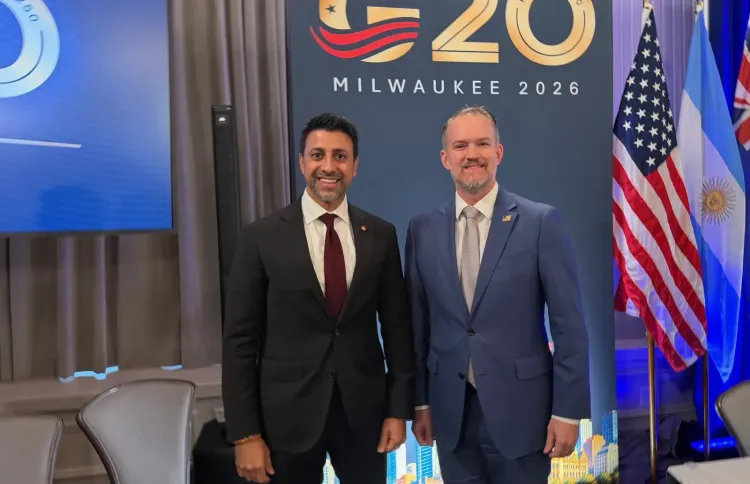
At the G20 Trade Ministers' Meeting in Milwaukee, Canada's Maninder Sidhu made a pointed appeal to US Trade Representative Jamieson Greer: the auto sector is stronger together. With Stellantis layoffs hitting both his own constituency and Milwaukee workers, Sidhu framed shared job losses as the strongest argument for bilateral cooperation — even as Ottawa holds firm that any deal must be mutually beneficial.
Key Takeaways
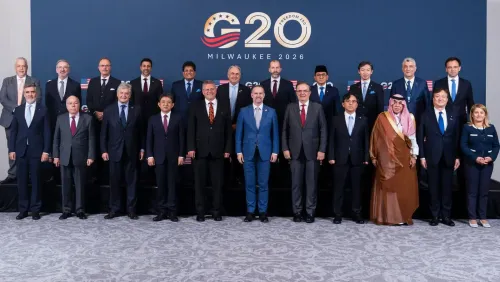
Canadian International Trade Minister Maninder Sidhu urged US Trade Representative Jamieson Greer to cooperate on auto sector challenges at the G20 Trade Ministers' Meeting in Milwaukee on 1 October 2026 .
Sidhu cited parallel layoffs in Milwaukee and his own constituency — home to Stellantis operations — as evidence of the two countries' shared economic exposure.
Canada and the US have one of the world's most deeply integrated automotive supply chains, with components crossing the border repeatedly during production.
Sidhu declined to specify the key remaining gaps in Canada-US negotiations but made clear Ottawa 'won't accept anything less' than a deal protecting Canadian workers and industries.
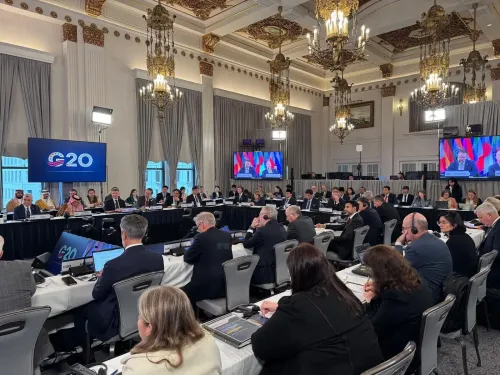
The G20 ministers discussed supply chain resilience, critical minerals , energy costs, and inflation as common challenges facing all major economies.
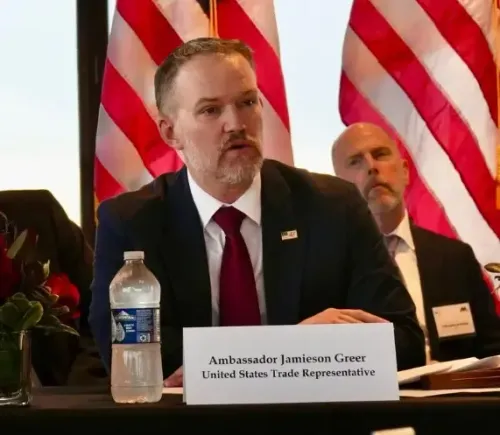
Canadian International Trade Minister Maninder Sidhu has called on the United States to join forces in addressing mounting pressures on the deeply integrated North American auto industry, arguing that workers on both sides of the border are confronting the same economic headwinds. The appeal was made during bilateral talks with US Trade Representative Jamieson Greer on the sidelines of the G20 Trade Ministers' Meeting in Milwaukee on 1 October 2026.
The Case for Joint Action
Sidhu made the argument for cooperation personal, pointing to job losses he had witnessed first-hand. He told reporters that he had met auto workers in Milwaukee who had recently been laid off — a situation he said mirrored conditions in his own constituency, which includes operations of automaker Stellantis, where hundreds of workers have also faced layoffs.
'I came across some workers here in Milwaukee that were laid off in the auto sector,' Sidhu said. 'And I represent the constituency of where we have Stellantis, hundreds of folks laid off in the auto sector.'
The minister drew a direct line between these parallel experiences: 'I strongly believe the auto sector is stronger when we're able to work together. You're facing some of the same challenges that we're facing. Let's help each other and let's work through something.'
Supply Chains at the Centre of G20 Talks
Sidhu's bilateral discussion with Greer took place as G20 trade ministers examined broader strains on global supply chains, with steel, food, energy pricing, inflation, and critical minerals all on the agenda. He described the Canada-US automotive supply chain as especially intertwined, with vehicles and components routinely crossing the border multiple times during the production cycle.
Notably, the two ministers are not strangers — Sidhu noted that he and Greer have a working relationship built through prior engagement at the World Trade Organisation (WTO) and at G7 forums. 'I think there's an understanding,' Sidhu said, signalling a degree of diplomatic goodwill even as substantive differences remain.
Canada's Negotiating Red Lines
When asked about US tariffs, export restrictions, and the prospects for easing bilateral tensions, Sidhu declined to identify the specific sticking points in ongoing negotiations. He was, however, unambiguous about Ottawa's bottom line.
'At the end of the day, you want a good deal for your workers and industries, and Canada won't accept anything less than that,' Sidhu said. 'When you negotiate with Canada, it has to be mutually beneficial.'
He also drew a distinction between his own mandate — advancing Canada's international trade diversification and opening new markets globally — and the separate channel through which Canada's minister responsible for US relations is handling the bilateral file directly.
Why This Matters Beyond the Border
The North American automotive manufacturing system is among the most integrated in the world, with parts and assemblies crossing the Canada-US border dozens of times before a finished vehicle rolls off the line. Any sustained disruption — whether from tariffs, supply chain fractures, or trade policy uncertainty — ripples through manufacturing employment in both countries.
This comes amid a broader reconfiguration of global trade relationships, with the G20's Milwaukee meeting reflecting shared anxiety among major economies over supply chain fragility, energy costs, and inflation. Whether Canada and the United States can move from a shared diagnosis to a shared solution on autos is likely to depend on the pace of wider bilateral negotiations.
Point of View
Not a breakthrough. The deeper issue is structural: a deeply integrated auto supply chain coexists with growing US pressure to reshore manufacturing, a contradiction no amount of goodwill between trade ministers can easily resolve. Canada's parallel push to diversify its trade relationships globally suggests Ottawa is hedging its bets rather than betting everything on a bilateral fix.
NationPress
2 Oct 2026
Frequently Asked Questions
What did Canada's Trade Minister say at the G20 meeting in Milwaukee?
Canadian International Trade Minister Maninder Sidhu called on the United States to cooperate on pressures facing the North American auto sector, pointing to layoffs affecting workers on both sides of the border. He met US Trade Representative Jamieson Greer on the sidelines of the G20 Trade Ministers' Meeting in Milwaukee on 1 October 2026.
Why is the Canada-US auto sector considered deeply integrated?
Vehicles and components routinely cross the Canada-US border multiple times during the production process, making the two countries' automotive industries structurally interdependent. Any disruption from tariffs or policy changes affects manufacturing and supply-chain employment in both countries simultaneously.
What is Canada's position in ongoing trade negotiations with the US?
Canada has signalled it will only accept a deal that is mutually beneficial and protects Canadian workers and industries. Trade Minister Sidhu declined to identify the specific remaining gaps but stated clearly that 'Canada won't accept anything less than that.'
Who is Jamieson Greer and what is his role in these talks?
Jamieson Greer is the US Trade Representative, the senior American official responsible for trade negotiations and policy. Sidhu noted the two have previously worked together at the World Trade Organisation and G7 forums, describing their relationship as constructive.
What broader issues were discussed at the G20 Trade Ministers' Meeting?
G20 trade ministers in Milwaukee discussed global supply chain pressures, steel, food security, energy prices, inflation, and critical minerals — issues Sidhu described as common challenges facing all major economies, including both Canada and the United States.