Canada Trade Minister Sidhu pitches energy, minerals and aerospace to India
Synopsis
At the G20 Trade Ministers' Meeting in Milwaukee, Canadian Trade Minister Maninder Sidhu pitched Canada as an all-in partner for India's growth — offering LNG to meet India's projected 70% energy surge by 2035, critical minerals for its EV battery supply chain, and aerospace collaboration. With the fifth round of trade negotiations set to open in Ottawa on Monday, the relationship is moving from rhetoric to the negotiating table.
Key Takeaways
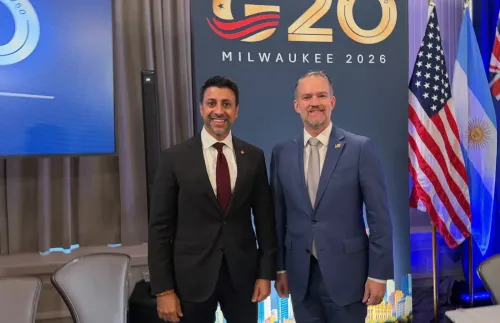
Canadian Trade Minister Maninder Sidhu spoke at the G20 Trade Ministers' Meeting in Milwaukee on 1 October 2026 , saying Canada wants to help build India.
Canada is positioned to meet India's projected 70% increase in energy demand by 2035 , with Canada aiming to become a top five LNG exporter within five years.
Canada is the only country in the Western hemisphere with every element needed to manufacture an electric battery, making it a key partner for India's EV and battery supply chain .
A Toronto investment summit reportedly generated approximately USD 500 billion in commitments from around 100 asset managers overseeing USD 130 trillion in assets.
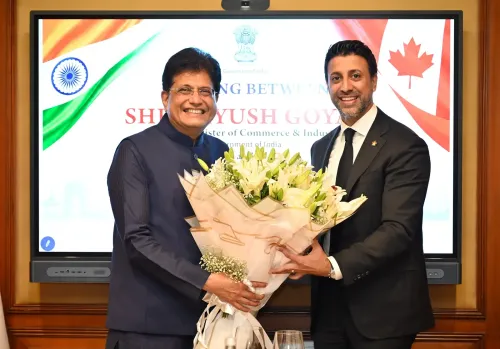
Sidhu met Commerce Minister Piyush Goyal in Mumbai about 10 days earlier; the fifth round of India-Canada trade negotiations is scheduled to begin in Ottawa on Monday.
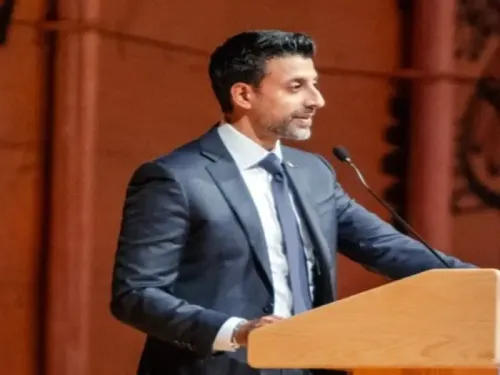
Canadian International Trade Minister Maninder Sidhu on Thursday, 1 October 2026, declared that Canada wants to be an active partner in India's economic expansion, identifying energy, critical minerals, and aerospace as the three pillars of a deepening bilateral relationship. Sidhu made the remarks on the sidelines of the G20 Trade Ministers' Meeting in Milwaukee.
Energy at the Centre of the Partnership
Sidhu pointed to India's rapidly rising energy appetite as an immediate opportunity. 'India is growing at 7 per cent year over year. India requires 70 per cent more energy by 2035. We have that energy in Canada,' he told reporters. The Canadian minister added that his country is expanding its liquefied natural gas capacity at pace and expects to rank among the world's top five LNG exporters within the next five years, with more than a handful of LNG projects currently in various phases of development.
Critical Minerals and the EV Supply Chain
Beyond energy, Sidhu highlighted critical minerals as a strategically vital area, particularly as India scales up its automobile sector and eyes a stronger supply chain for electric vehicles and batteries. 'India has a growing auto sector and for EVs and batteries, Canada is the only country in the Western hemisphere that has every single element to make an electric battery,' he said, underscoring what he described as a natural complementarity. India's ongoing effort to diversify mineral supply chains — reducing dependence on a single source — aligns with Canada's positioning as a stable, Western-aligned supplier of these materials.
Investment Flows and the Toronto Summit
Sidhu also pointed to investment as a two-way street. A recent investment summit in Toronto, he said, drew Indian investors alongside roughly 100 asset managers collectively overseeing approximately USD 130 trillion in assets. According to the minister, the event generated approximately USD 500 billion in commitments. He added that Canada actively welcomes Indian companies to invest in Canadian mining and energy projects, framing the relationship as one of mutual growth rather than one-sided export.
Trade Negotiations Gaining Pace
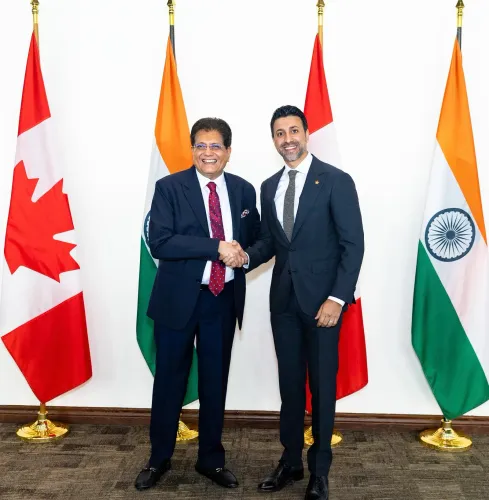
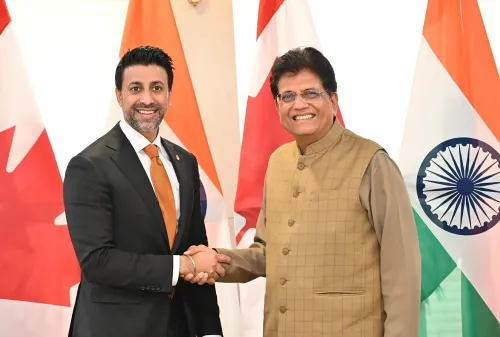
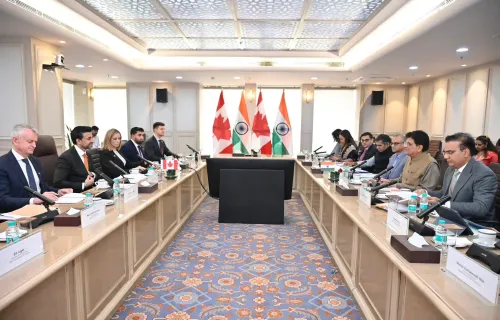
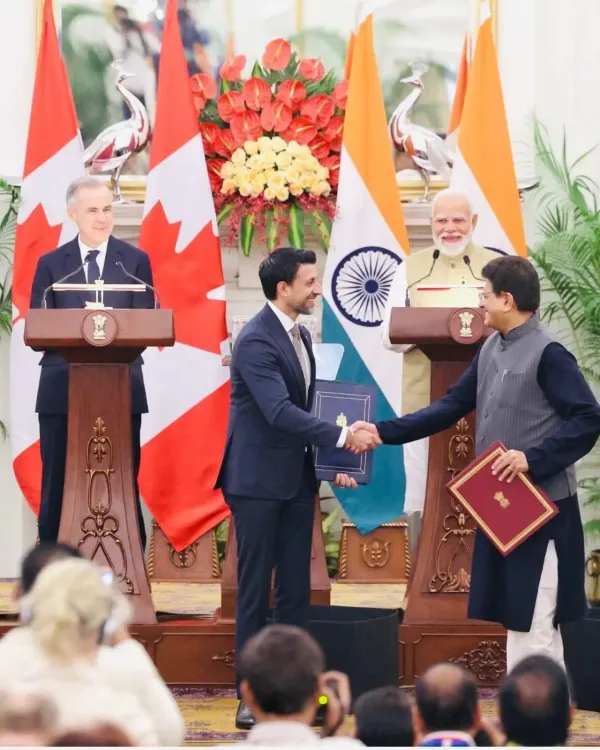
Sidhu visited India approximately 10 days before the Milwaukee meeting, where he held talks with Commerce and Industry Minister Piyush Goyal in Mumbai. The two countries are currently negotiating a bilateral trade agreement, with the fifth round of negotiations scheduled to begin in Ottawa on Monday. The minister was measured about details, saying the two sides do not negotiate through the media, but identified collaboration on energy, minerals, aerospace, research, and investment as the broad framework both governments are working within.
What This Signals for India-Canada Ties
India and Canada have been quietly rebuilding their economic engagement alongside renewed high-level political contacts after a period of diplomatic strain. The pace of trade negotiations has picked up as both countries look to expand market access and strengthen investment ties. Notably, Sidhu's framing — 'as India builds, Canada wants to be there to help build India as well' — suggests Ottawa is repositioning itself as a long-term strategic economic partner rather than merely a trading counterpart. The next round of trade talks in Ottawa will offer the first concrete test of whether the political momentum can translate into a substantive agreement.
Point of View
Canada is trying to convert diplomatic goodwill into binding economic architecture. The USD 500 billion commitment figure from the Toronto summit is striking but warrants scrutiny — investment summits routinely conflate commitments with actual capital deployed. The real signal will come from whether the Ottawa negotiations produce a substantive early-harvest deal, or whether the fifth round stalls as previous rounds have. India's leverage is considerable; Canada needs the market more than India needs any single LNG supplier.
NationPress
2 Oct 2026
Frequently Asked Questions
What did Canada's Trade Minister say about India at the G20 meeting?
Canadian International Trade Minister Maninder Sidhu said at the G20 Trade Ministers' Meeting in Milwaukee on 1 October 2026 that Canada wants to be a partner in building India's economy, focusing on energy, critical minerals, and aerospace. He cited India's projected 70% increase in energy demand by 2035 and Canada's LNG expansion as a natural fit.
What is the status of India-Canada trade negotiations?
India and Canada are currently negotiating a bilateral trade agreement. The fifth round of negotiations is scheduled to begin in Ottawa on Monday. Sidhu met Commerce Minister Piyush Goyal in Mumbai approximately 10 days before the Milwaukee meeting.
Why is Canada highlighting critical minerals for India?
India is expanding its automobile sector and seeking to diversify supply chains for electric vehicles and batteries. Canada, which holds every element required to manufacture an EV battery and is the only such country in the Western hemisphere, sees this as a key area of partnership.
What was the Toronto investment summit mentioned by Sidhu?
A recent investment summit in Toronto attracted Indian investors and approximately 100 asset managers managing roughly USD 130 trillion in assets. According to Sidhu, the event generated approximately USD 500 billion in commitments, spanning energy, mining, and other joint projects.
How does this fit into the broader India-Canada relationship?
India and Canada have been rebuilding economic and diplomatic ties after a period of friction. High-level political contacts have resumed and trade talks have accelerated, with both sides aiming to expand market access and deepen investment ties across energy, technology, and resources.