India-US trade deal in 'short strokes', says US Trade Rep Greer at G20
Synopsis
US Trade Representative Jamieson Greer declared the India-US trade deal is in its ‘short strokes’ — the clearest public signal yet from Washington that both sides are close. With Trump and Modi already on the phone and another call expected soon, the final sticking points are in focus. A deal would be a landmark shift in one of the world’s most tariff-complicated bilateral relationships.
Key Takeaways
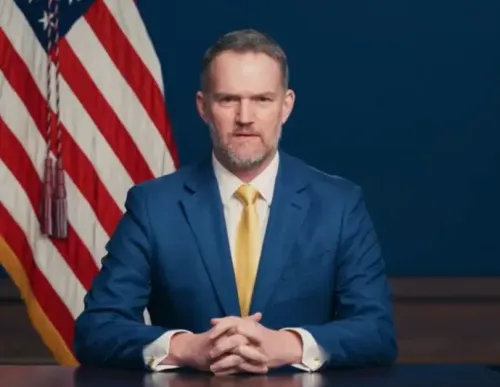
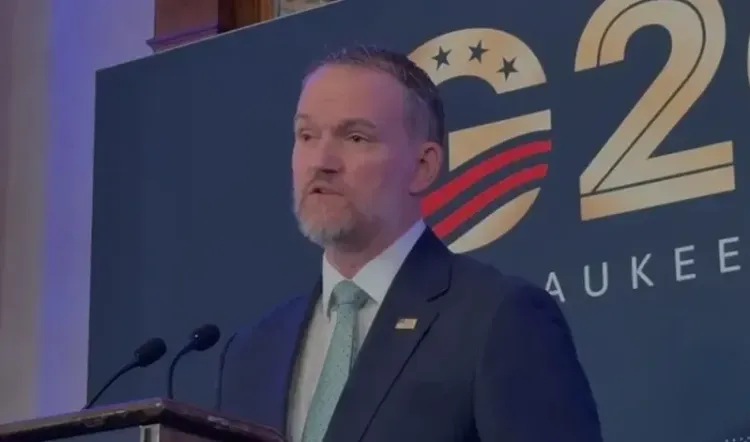
US Trade Representative Jamieson Greer said the India-US trade deal is in the ‘short strokes’ but cautioned it is not imminent, speaking at the G20 Trade Ministers’ Meeting in Milwaukee on 2 October 2026 .
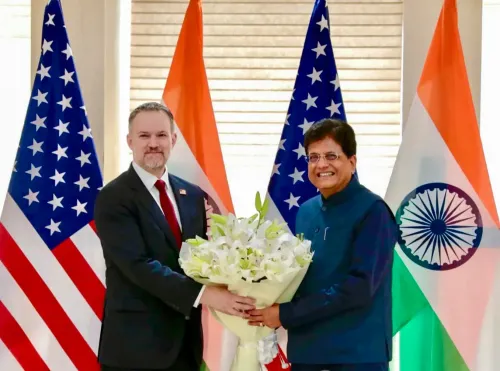
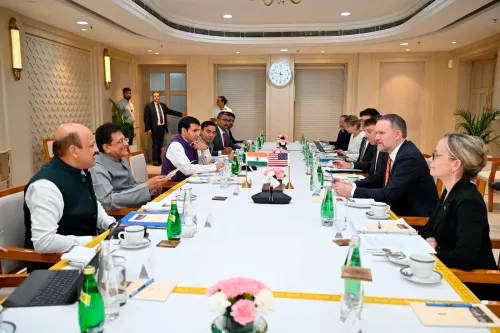
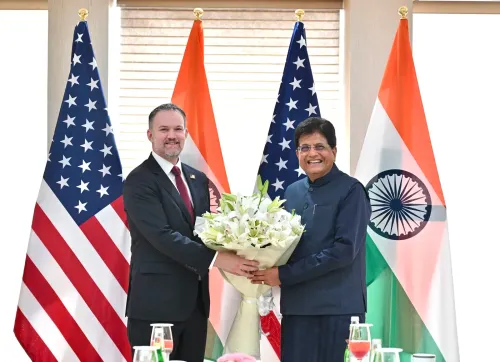
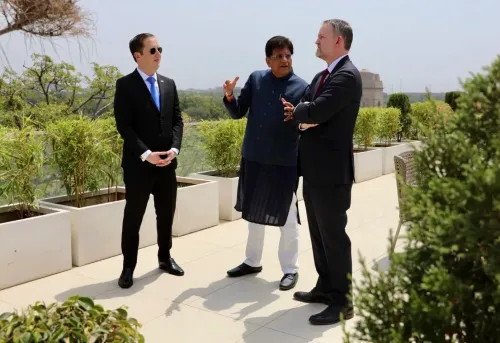
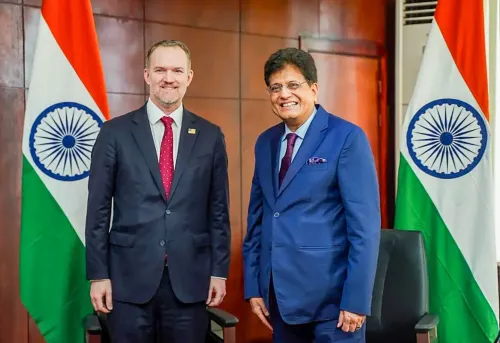
Greer held a “very constructive” bilateral meeting with Commerce Minister Piyush Goyal ; working-level officials from both sides were negotiating simultaneously.
President Trump and Prime Minister Modi spoke a day earlier in what Greer called “a very constructive call”; another call between the two leaders is expected “very soon.” Greer said the US has signed 10 reciprocal trade agreements and 9 joint statements , with deals covering over 40 per cent of US goods trade.
Remaining sticking points have been identified but were not disclosed; no timeline for concluding the India deal was provided.
US Trade Representative Jamieson Greer on 2 October 2026 said the India-US trade deal is in the “short strokes” — a phrase indicating negotiations are nearing their final stages — while cautioning that a formal agreement was not imminent. His remarks came on the sidelines of the G20 Trade Ministers’ Meeting in Milwaukee, where he held a bilateral meeting with Commerce and Industry Minister Piyush Goyal.
What Greer Said
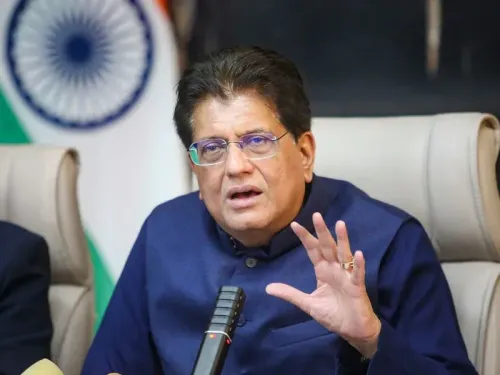
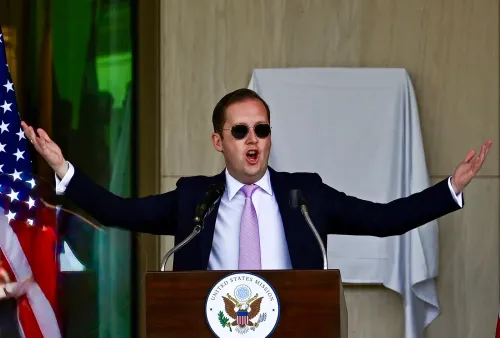
Speaking at a press conference, Greer described his conversation with Goyal as “very constructive” and confirmed that working-level officials from both countries were actively engaged. “We are continually trying to finish the trade deal with India. I would characterise it as we say in the US — we’re in the short strokes, so I think we’re toward the end of it,” he told reporters.
He was careful, however, to temper expectations. “I don’t think there’s something imminent, but we truly have identified the universe of items that are sticking points,” Greer said. He did not disclose the nature of those sticking points, nor did he provide a timeline for concluding the agreement.
Trump-Modi Call and Possible Follow-Up
Greer was also asked whether a phone conversation between President Donald Trump and Prime Minister Narendra Modi a day earlier had injected fresh momentum into the talks. He described that call too as “a very constructive call” and hinted that another conversation between the two leaders could follow soon. “My sense is that the president and prime minister may have another call very soon on this, just to assess progress and where we are,” he said.
Notably, the direct engagement at the level of heads of government alongside simultaneous working-level talks in Milwaukee signals that both sides are treating the deal as a political priority, not merely a technical exercise.
Broader US Trade Context
The India talks are part of a wider sweep of bilateral negotiations being conducted by the Trump administration with major trading partners. Greer disclosed that the United States had signed 10 agreements on reciprocal trade and nine joint statements with various countries, with deals now covering more than 40 per cent of US goods trade.
Defending the administration’s tariff posture, Greer said Washington’s trade measures were not directed against any single nation. “Our trade policy is pro-American. We’re trying to support our supply chains in the US. We’re not trying to create excess production. We’re not trying to corner global markets on a certain good or commodity,” he said.
Milwaukee Ministerial: The Backdrop
The Milwaukee G20 Trade Ministerial, held under the US G20 presidency, brought together trade officials from the world’s major advanced and emerging economies. Agenda items included structural excess production, forced labour in global supply chains, the most-favoured-nation principle, and what delegates termed the “weaponisation of food” through coercive trade actions.
Goyal used the gathering to hold a series of bilateral meetings beyond his session with Greer, underscoring that India is pursuing a multi-front trade diplomacy strategy during a critical window for global trade architecture.
What Comes Next
With sticking points reportedly identified and staff-level negotiations continuing, the immediate focus will be on whether the anticipated Trump-Modi call can provide political clearance to close the remaining gaps. Any finalised India-US bilateral trade agreement would mark a significant shift in the two countries’ economic relationship, which has long been complicated by tariff disputes and market-access disagreements. The timeline, for now, remains open.
Point of View
A combination that suggests political will is present but technical gaps remain stubborn. The fact that Trump-Modi phone diplomacy is running in parallel with staff-level talks in Milwaukee points to a deal being managed at the highest levels, which can accelerate closure or introduce new political red lines. India’s history with US trade negotiations is one of near-misses: a similar ‘close’ framing circulated in 2020 before talks stalled. The real question is whether both sides can translate ‘identified sticking points’ into resolved ones before domestic political calendars on either side narrow the window.
NationPress
2 Oct 2026
Frequently Asked Questions
What did US Trade Representative Greer say about the India-US trade deal?
Greer said the India-US trade deal is in the ‘short strokes,’ indicating negotiations are nearing their final stages, but he cautioned that an agreement was not imminent. He made the remarks at a press conference on the sidelines of the G20 Trade Ministers’ Meeting in Milwaukee on 2 October 2026.
What are the remaining sticking points in India-US trade talks?
Greer said both sides have ‘identified the universe of items that are sticking points’ but did not publicly disclose what those issues are. He also did not provide a timeline for resolving them.
Did Trump and Modi speak about the trade deal?
Yes. Greer confirmed that President Trump and Prime Minister Modi had a ‘very constructive call’ a day before the Milwaukee ministerial. He added that another call between the two leaders was expected ‘very soon’ to assess progress.
What is the G20 Trade Ministers’ Meeting in Milwaukee?
It is a gathering of trade officials from the world’s major advanced and emerging economies held under the US G20 presidency in Milwaukee. The agenda covered structural excess production, forced labour in supply chains, the most-favoured-nation principle, and coercive food trade practices.
How does the India deal fit into broader US trade diplomacy?
The US has signed 10 reciprocal trade agreements and 9 joint statements with various trading partners, covering over 40 per cent of US goods trade. The India negotiations are part of this wider push by the Trump administration to recast bilateral trade relationships with major economies.