G7 backs Taiwan Strait peace; Taipei hails leaders' stance
Synopsis
At the G7 summit in Evian, world leaders collectively reaffirmed opposition to any forcible change in the Taiwan Strait — and Taipei wasted no time welcoming the signal. With Chinese vessels having intruded near Taiping Island just days earlier, the G7’s declaration lands as more than diplomatic boilerplate: it is a direct counter-signal to Beijing’s escalating grey-zone campaign.
Key Takeaways
G7 leaders at the Evian Summit under France’s Presidency reaffirmed opposition to any unilateral change to the status quo in the Taiwan Strait , East China Sea , and South China Sea by force or coercion.
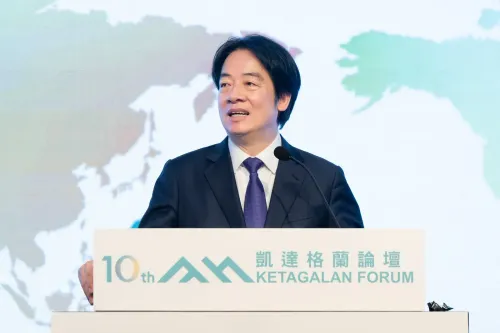
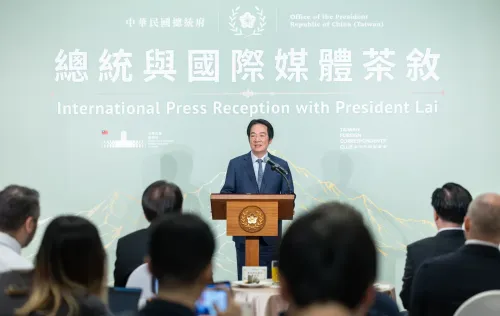
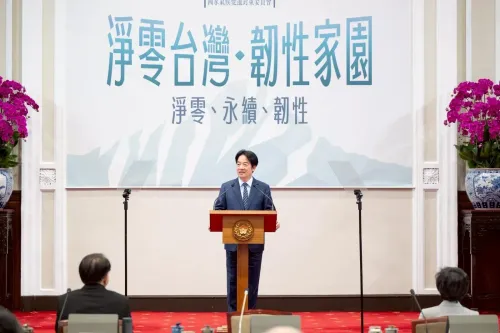
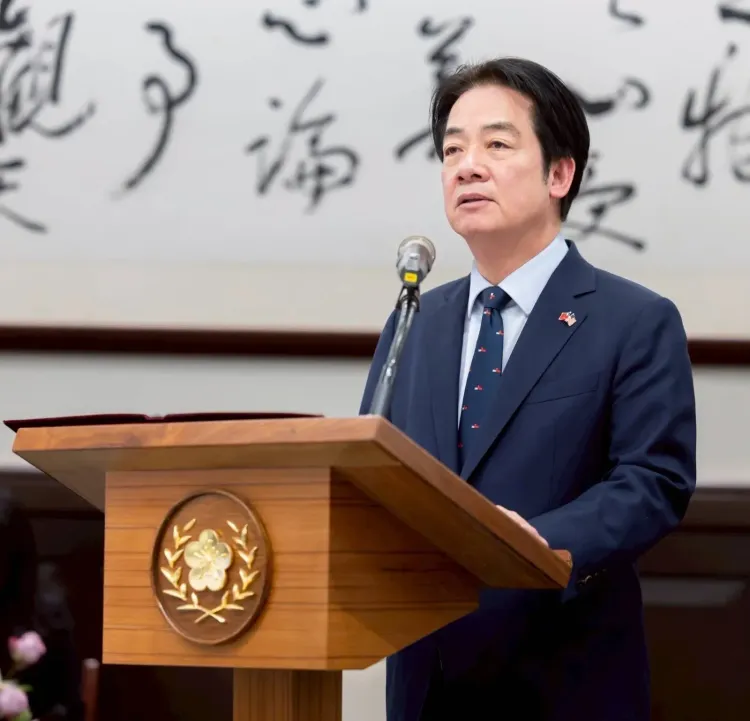
Taiwanese President Lai Ching-te welcomed the statement on 17 June , pledging continued cooperation with partners to uphold regional peace.
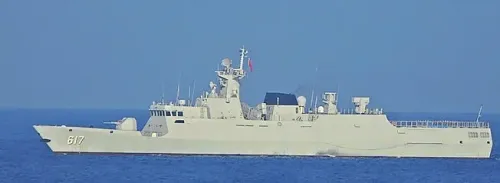
On 11 June , two Chinese government vessels intruded into waters around Taiwan’s Taiping Island in what Taipei called a ‘brazen and unprecedented’ incursion.
Taiwan’s MoFA formally condemned the intrusion on 12 June , urging the international community to counter China’s ‘illegal actions’.
China has intensified military exercises around Taiwan in recent years, maintaining the island is part of its territory to be reunified by force if necessary.
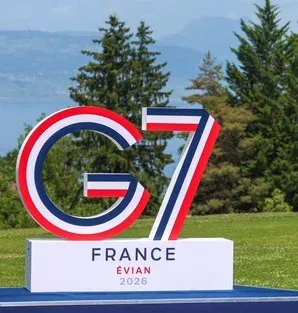
Taiwanese President Lai Ching-te on Wednesday, 17 June welcomed a joint statement by Group of Seven (G7) leaders reaffirming their opposition to any unilateral attempts to change the status quo across the Taiwan Strait by force or coercion. The statement, issued during the G7 Summit held under France's Presidency in Evian, also addressed tensions in the East and South China Seas.
What the G7 Statement Said
The G7 leaders collectively underscored the importance of a free and open Indo-Pacific grounded in the rule of law. Their statement read: “We highlight the importance of a free and open Indo-Pacific based on the rule of law. We reaffirm our opposition to any unilateral attempts to change the status quo, in particular by force or coercion, in the East and South China Seas and across the Taiwan Strait, which should only be resolved peacefully through dialogue.”
The declaration represents a collective signal from the world’s leading democracies at a moment of heightened military activity in the region. This is consistent with language the G7 has used in prior summits, though analysts note the Evian statement comes amid a marked escalation in Chinese military exercises around Taiwan in recent years.
Taipei’s Response
President Lai Ching-te responded directly to the G7 statement on X, expressing appreciation for the bloc’s position. “Deeply appreciate the G7 leaders for reaffirming their opposition to any unilateral attempts to change the status quo across the Taiwan Strait by force or coercion. As a responsible stakeholder, Taiwan will keep working with our partners to uphold regional peace and prosperity,” Lai wrote.
Taiwan continues to assert its sovereignty despite sustained pressure from Beijing, which maintains that the island is part of its territory and has not ruled out reunification by force. Taipei, backed by strong domestic public support, has consistently rejected this position.
The Taiping Island Incident
The G7 statement arrives in the wake of a significant maritime confrontation. On 11 June, two Chinese government vessels intruded into waters surrounding Taiwan’s Taiping Island in what Taiwan’s Ministry of Foreign Affairs (MoFA) described as a “brazen and unprecedented” incursion. Taipei formally condemned the action on 12 June.
MoFA stated that the intrusion “severely violated Taiwan’s sovereignty and jeopardised the safety of Taiwanese vessels and personnel.” The ministry also reiterated that neither the Republic of China (Taiwan) nor the People’s Republic of China (PRC) is subordinate to the other, and that the South China Sea Islands remain part of Taiwan’s territory under international law.
The ministry characterised the Taiping Island incursion as “another hostile escalation of grey-zone activities” following earlier harassment of cargo ships in Taiwan’s eastern waters, describing the pattern as “a grave threat to Taiwan’s sovereign rights and interests and maritime security, as well as regional peace.”
China’s Position and Regional Stakes
China has increased the frequency and scale of its military exercises around Taiwan in recent years, framing them as responses to what it calls separatist provocations and foreign interference. Beijing’s position remains that Taiwan must eventually be reunified with the mainland.
Taiwan’s MoFA urged the international community to “recognise the serious and immediate threat that China’s illegal actions pose to regional peace and stability, and to jointly counter China’s unlawful conduct.” The G7’s Evian statement may be read as a partial answer to that call, though the bloc stopped short of naming China explicitly in its Taiwan Strait language.
What Comes Next
The G7 summit in Evian is ongoing, with further statements on geopolitical issues expected. Taiwan’s government has signalled it will continue engaging multilateral partners to build coalitions in support of the rules-based international order. Whether the G7’s collective statement translates into concrete diplomatic or security measures remains to be seen.
Point of View
And Beijing has shown little sign of moderating its grey-zone tempo in response to diplomatic statements alone. The Taiping Island intrusion, just days before the summit, suggests China is testing thresholds in real time. What the G7 has not yet provided is a credible enforcement architecture to back its words — and until it does, Taipei’s appreciation may be more diplomatic courtesy than strategic reassurance.
NationPress
19 Sept 2026
Frequently Asked Questions
What did the G7 say about the Taiwan Strait at the Evian summit?
The G7 leaders reaffirmed their opposition to any unilateral attempts to change the status quo in the Taiwan Strait, East China Sea, and South China Sea by force or coercion, calling for disputes to be resolved peacefully through dialogue. The statement was issued during the G7 Summit held under France’s Presidency in Evian.
How did Taiwan’s President Lai Ching-te respond to the G7 statement?
President Lai Ching-te welcomed the G7 statement on 17 June, posting on X that he ‘deeply appreciates’ the leaders’ reaffirmation and pledging that Taiwan will continue working with partners to uphold regional peace and prosperity.
What happened near Taiping Island on 11 June?
Two Chinese government vessels intruded into waters surrounding Taiwan’s Taiping Island on 11 June in what Taiwan’s Ministry of Foreign Affairs called a ‘brazen and unprecedented’ incursion. Taipei formally condemned the action on 12 June and urged the international community to counter what it described as China’s illegal actions.
What is China’s official position on Taiwan?
China maintains that Taiwan is part of its territory and must eventually be reunified with the mainland, by force if necessary. Beijing has increased the frequency and scale of military exercises around Taiwan in recent years.
Why does the G7’s Taiwan Strait statement matter?
The statement represents a collective position from the world’s leading democracies at a time of heightened Chinese military activity around Taiwan. It signals multilateral support for the status quo and the rules-based international order, though it stops short of naming China explicitly or outlining enforcement measures.