G7 reaffirms Ukraine support, calls US-Iran deal 'historic opportunity'
Synopsis
The G7's Evian communiqué did more than reaffirm existing positions — it signalled a coordinated Western pivot. Backing Trump's Iran deal while simultaneously tightening Russia sanctions and drawing red lines in the Taiwan Strait, the bloc is attempting to manage four simultaneous geopolitical crises with a single unified voice. Whether that unity holds under domestic political pressure in each member state is the real question.
Key Takeaways
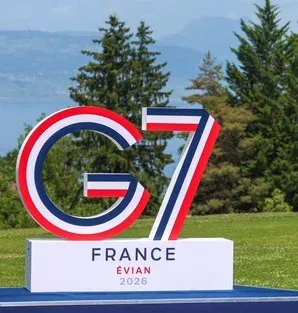
G7 leaders issued a joint statement from Evian on 17 June covering Ukraine, Iran, the Indo-Pacific, and the Korean Peninsula.
The bloc pledged additional air defence systems , interceptors, and long-range capabilities for Ukraine , plus expanded military production support via licensing.
The US-Iran agreement was welcomed as 'an historic opportunity' to prevent Tehran from acquiring a nuclear weapon.
France and the UK were endorsed to lead maritime security restoration in the Strait of Hormuz .
Leaders reiterated opposition to unilateral status quo changes in the East and South China Seas and across the Taiwan Strait .
The G7 called for coordinated action against North Korean cryptocurrency theft and cybercrime alongside its nuclear programme.
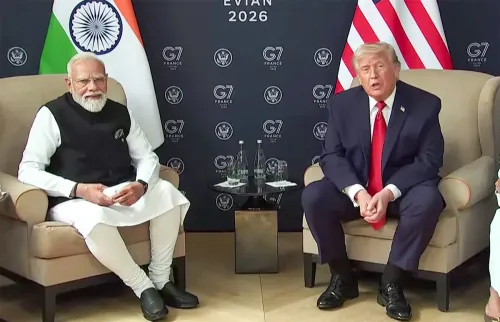
Leaders of the Group of Seven (G7) on Wednesday, 17 June issued a sweeping joint statement from Evian, reaffirming unified backing for Ukraine, welcoming a landmark agreement between the United States and Iran, and underscoring their commitment to a free and open Indo-Pacific. The communiqué addressed flashpoints from the Korean Peninsula to the Taiwan Strait, signalling coordinated Western resolve on multiple simultaneous crises.
Unwavering Support for Ukraine
On the war in Ukraine, the G7 leaders declared solidarity with Kyiv in unambiguous terms. 'We, the Leaders of the G7, stand united in our unwavering support for Ukraine in defending its freedom, sovereignty, and territorial integrity,' the joint statement read.
The bloc pledged to intensify military assistance, including the delivery of additional air defence systems, interceptors, and long-range capabilities. Leaders also signalled readiness to support expanded military production inside Ukraine through licensing arrangements — a notable escalation in the scope of Western involvement.
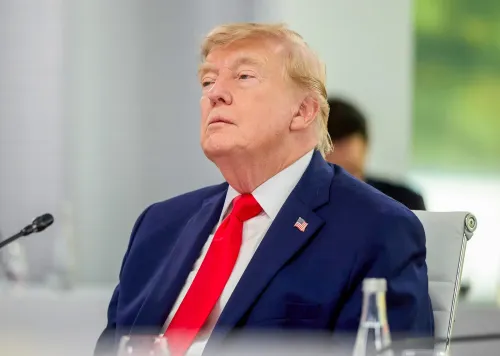
Describing what they termed a 'new momentum' in the conflict, the G7 committed to tightening pressure on Russia through stronger sanctions, with particular focus on the oil and gas sectors. The statement noted that leaders considered it 'the right moment to proceed with additional measures,' following a deal backed by US President Donald Trump that facilitated the reopening of the Strait of Hormuz.
US-Iran Deal Hailed as 'Historic Opportunity'
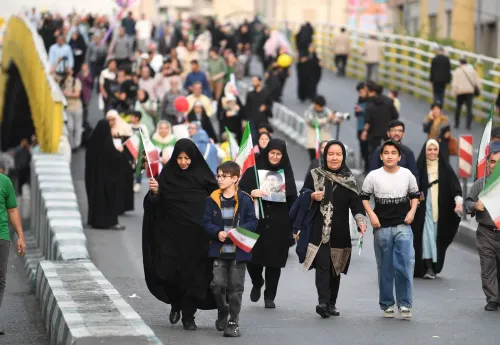
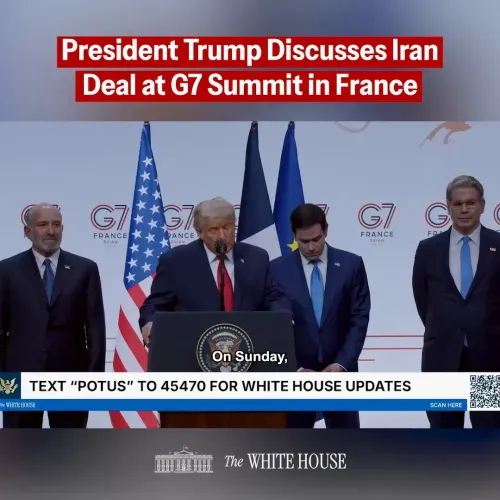
Turning to the Middle East, the G7 welcomed the newly announced agreement between Washington and Tehran. Leaders described the deal as offering 'an historic opportunity to prevent Iran from acquiring any nuclear weapon and tackling the threats related to its regional and ballistic activities.'
The statement reaffirmed the group's collective position that 'Iran will never obtain a nuclear weapon,' and expressed support for a broader diplomatic framework aimed at securing long-term peace and stability across the region. The G7 also endorsed efforts led by France and the United Kingdom to restore confidence in maritime security in the Strait of Hormuz and facilitate the resumption of commercial shipping, reiterating that unrestricted transit passage remains 'the bedrock of international trade.'
Lebanon, Gaza, and Regional Conflicts
Addressing other active conflicts, the G7 called for an immediate ceasefire in Lebanon and backed efforts to disarm Hezbollah. In Gaza, the leaders pledged to accelerate humanitarian assistance and reconstruction efforts while calling for an end to violence in the West Bank. The breadth of the regional agenda reflects the degree to which the Middle East has displaced other priorities in Western diplomatic bandwidth.
Indo-Pacific and North Korea
On the Indo-Pacific, the G7 stressed the importance of maintaining a rules-based international order and opposed any unilateral attempts to alter the status quo through force or coercion. 'We reaffirm our opposition to any unilateral attempts to change the status quo, in particular by force or coercion, in the East and South China Seas and across the Taiwan Strait, which should only be resolved peacefully through dialogue,' the statement said.
Leaders expressed deep concern over North Korea's nuclear and ballistic missile programmes, reiterating their commitment to the complete denuclearisation of the Korean Peninsula in accordance with United Nations Security Council resolutions. The communiqué also called for coordinated action against North Korean cryptocurrency theft and cybercrime — an increasingly prominent dimension of Pyongyang's sanctions-evasion toolkit.
Global Economy and China
The statement concluded by supporting international efforts to address global economic imbalances and welcomed China's participation in the Global Convergence for Growth Summit hosted by French President Emmanuel Macron earlier this month — a rare note of engagement amid broader strategic competition. The G7's next steps on sanctions implementation and diplomatic follow-through on the Iran deal will be closely watched in the weeks ahead.
Point of View
A significant departure from the bloc's previous posture of scepticism toward unilateral US dealmaking. On Ukraine, the pledge to support in-country military production through licensing is a quiet but consequential escalation — one that risks provoking Moscow without the headline visibility of direct arms transfers. The Taiwan Strait language is formulaic but its retention matters; any softening would have been read as a concession to Beijing. The real test of this communiqué is enforcement: sanctions pressure on Russia has repeatedly been diluted by energy dependency, and the Iran deal's durability hinges on domestic politics in both Washington and Tehran.
NationPress
15 Sept 2026
Frequently Asked Questions
What did the G7 say about Ukraine at the Evian summit?
The G7 reaffirmed 'unwavering support' for Ukraine's sovereignty and territorial integrity, pledging additional air defence systems, interceptors, long-range capabilities, and support for expanded military production inside Ukraine through licensing arrangements. Leaders also committed to tightening sanctions on Russia, particularly targeting its oil and gas sectors.
What is the US-Iran deal that the G7 called an 'historic opportunity'?
The G7 welcomed a newly announced agreement between the United States and Iran, describing it as 'an historic opportunity to prevent Iran from acquiring any nuclear weapon.' The deal, reportedly backed by US President Donald Trump, also contributed to the reopening of the Strait of Hormuz. Full details of the agreement were not disclosed in the G7 statement.
What did the G7 say about the Indo-Pacific and Taiwan?
The G7 stressed the importance of a rules-based Indo-Pacific order and explicitly opposed unilateral attempts to change the status quo by force or coercion in the East and South China Seas and across the Taiwan Strait, calling for any resolution to be achieved peacefully through dialogue.
How did the G7 address North Korea?
Leaders expressed deep concern over North Korea's nuclear and ballistic missile programmes and reiterated their commitment to the complete denuclearisation of the Korean Peninsula under UN Security Council resolutions. The statement also called for coordinated international action against North Korean cryptocurrency theft and cybercrime.
What role did France and the UK play in the G7's Middle East agenda?
The G7 endorsed efforts led by France and the United Kingdom to restore maritime security confidence in the Strait of Hormuz and facilitate the resumption of commercial shipping, underlining that unrestricted transit passage is 'the bedrock of international trade.'