Trump heads to G7 in France with trade, AI and Ukraine on agenda
Synopsis
Trump arrives at the Evian G7 carrying more live wires than any summit in recent memory — a near-finalised Iran deal, a Ukraine ceasefire push with no Trump-Zelensky bilateral locked in, a trade offensive targeting China and the EU, and an AI working lunch with global tech executives. The agenda is maximalist; the outcomes are uncertain.
Key Takeaways
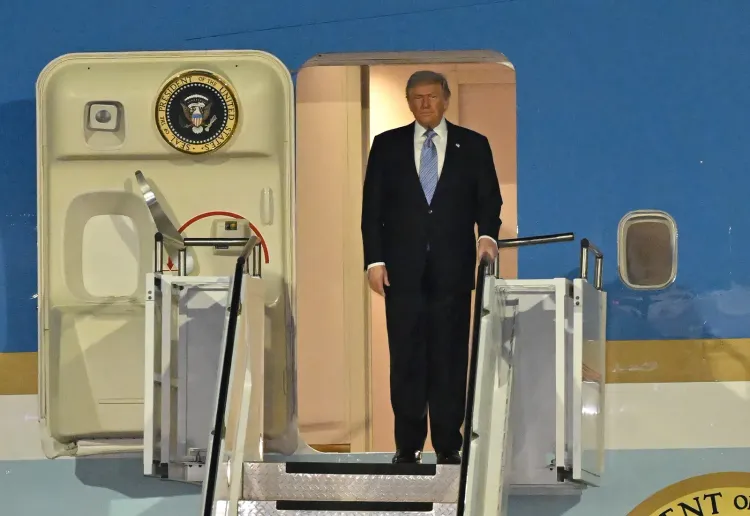
US President Donald Trump will attend the G7 Summit in Evian, France from 16–18 June .
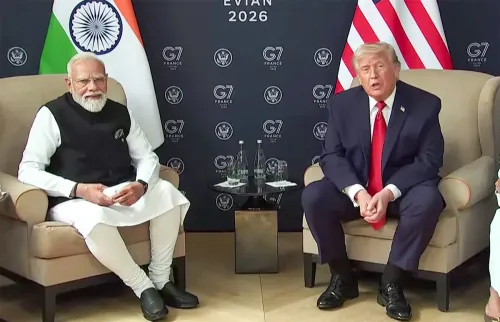
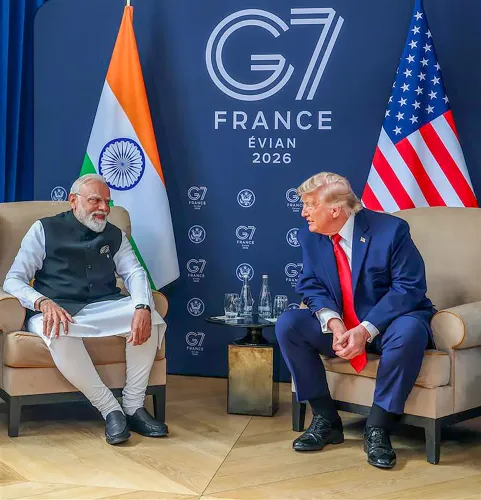
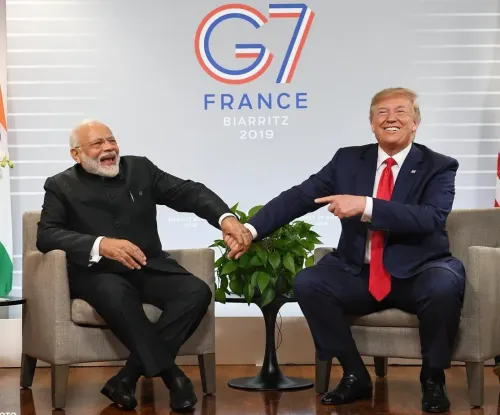
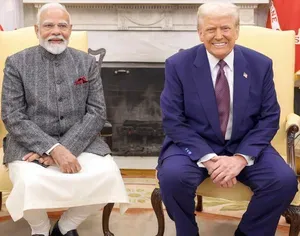
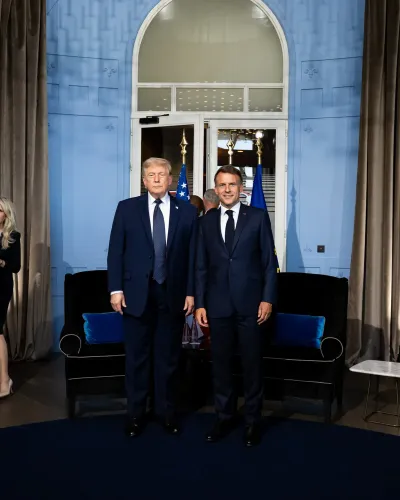
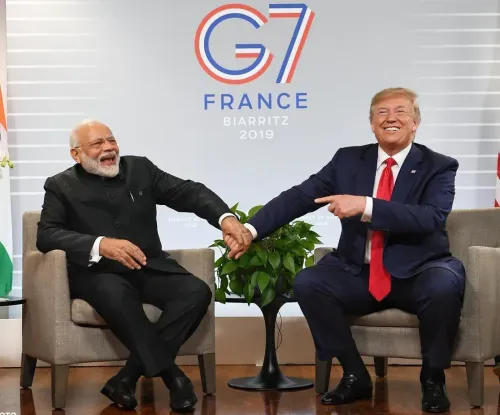
Trump has bilateral meetings scheduled with PM Narendra Modi , French President Macron , the Emir of Qatar , the UAE President , and Egyptian President el-Sisi .
A senior US official said the administration believes it is close to an Iran deal , which would require Iran to reopen the Strait of Hormuz .
Ukrainian President Zelensky will attend a working session, but no formal Trump-Zelensky bilateral is currently scheduled.
Trade imbalances — particularly with China and the EU — and artificial intelligence governance are also central agenda items.
NATO burden-sharing and European defence spending are expected to feature in sideline conversations.
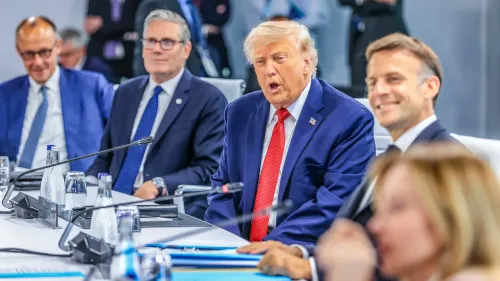
US President Donald Trump will travel to Evian, France, next week for the G7 Summit, arriving with a wide-ranging agenda that covers trade imbalances, artificial intelligence, critical mineral supply chains, and the ongoing conflicts in Ukraine and the Middle East. The summit, scheduled for 16–18 June, will bring together leaders of the world's major industrialised democracies alongside several invited partner nations.
Key Agenda Items
The White House said Trump will use the summit to advance US priorities on economic growth, investment, energy security, and emerging technologies. A senior administration official said Trump would seek to 'reframe the conversation around development' by focusing on investment partnerships described as 'mutually beneficial for both investor and recipient nations.' The administration also plans to push initiatives on critical mineral supply chains, illegal immigration, and drug smuggling.
Ukraine and the Middle East
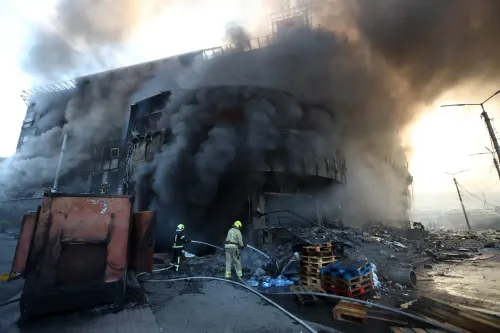
The wars in Ukraine and the Middle East are expected to dominate geopolitical discussions at the summit. On Ukraine, a senior administration official stated, 'We want the war to end. We want the war to end as quickly as possible,' describing the conflict as a source of continued loss of life and risk of escalation. The official further said, 'The only person on the planet that speaks to the President's role on the world stage who can bring the two sides together and try to negotiate the end of this war is President Trump.'
Ukrainian President Volodymyr Zelensky is scheduled to participate in a working session with G7 leaders, though the White House confirmed no separate bilateral meeting between Trump and Zelensky is currently on the schedule. Officials indicated the two could still meet informally on the sidelines.
On the Middle East, a senior US administration official said the administration believes it is close to an agreement with Iran, adding, 'We think we have a deal. It's a great deal and a very strong deal.' According to the official, Iran would be required to reopen the Strait of Hormuz as part of the arrangement, with the United States lifting its blockade in return. The administration also expects G7 cooperation on future demining efforts to restore normal maritime traffic through the strategically critical waterway.
Bilateral Meetings and Trade
Trump's summit schedule includes bilateral meetings with French President Emmanuel Macron, Emir of Qatar Sheikh Tamim bin Hamad Al Thani, UAE President Sheikh Mohamed bin Zayed Al Nahyan, Egyptian President Abdel Fattah el-Sisi, and Prime Minister Narendra Modi of India.
Trade is set to be another central theme. A senior US administration official noted that France had placed global trade imbalances on the summit agenda, with the official stating, 'The global trading system is totally imbalanced driven by large surplus countries like China, but also the European Union.' Washington, according to officials, remains committed to addressing those imbalances through broader economic reforms. Discussions with Canada are also expected on the sidelines, though officials said they did not anticipate any major breakthroughs.
AI, NATO and Defence
Artificial intelligence will feature prominently, with Trump scheduled to participate in a working lunch with G7 leaders, outreach partners, and global technology executives focused on innovation and AI. On defence, a senior US administration official said European allies increasingly recognise the need for greater burden-sharing, noting that NATO members have significantly increased defence spending in recent years.
The Evian summit will be a defining early test of how Trump's administration navigates a crowded global agenda — from ceasefire diplomacy to tech governance — in a single multilateral setting.
Point of View
Not a diplomatic framework — and the absence of a confirmed Trump-Zelensky bilateral undercuts the urgency. The reported Iran deal, if real, would be the summit's headline outcome, but the Strait of Hormuz framing suggests terms that Tehran's domestic politics may not sustain. For India, a Modi-Trump bilateral on the sidelines of a trade-focused G7 carries its own stakes, given ongoing tariff tensions that the summit agenda does not resolve.
NationPress
25 Sept 2026
Frequently Asked Questions
When and where is the G7 Summit 2025 taking place?
The G7 Summit is scheduled for 16–18 June 2025 in Evian, France. It will bring together leaders of the world's major industrialised democracies alongside several invited partner nations.
Will Trump and Zelensky meet at the G7 Summit?
No formal bilateral between Trump and Ukrainian President Zelensky is currently on the schedule, though officials said the two could meet informally on the sidelines. Zelensky is set to participate in a working session with G7 leaders.
What is the reported Iran deal Trump mentioned ahead of the G7?
A senior US administration official said the administration believes it is close to an agreement with Iran, describing it as 'a great deal and a very strong deal.' Under the reported terms, Iran would reopen the Strait of Hormuz and the United States would lift its blockade, with G7 cooperation expected on subsequent demining efforts.
Is PM Modi meeting Trump at the G7 Summit?
Yes, Prime Minister Narendra Modi is among the leaders with whom Trump has a bilateral meeting scheduled during the Evian summit. The meeting is expected to cover trade and investment, given the broader G7 focus on economic imbalances.
What role will artificial intelligence play at the G7 Summit?
AI governance and innovation will be a dedicated agenda item. Trump is scheduled to participate in a working lunch with G7 leaders, outreach partners, and global technology executives focused on AI and emerging technologies.