Taiwan's Lai reaffirms sovereignty: RoC and PRC not subordinate to each other
Synopsis
At the DPP's 40th anniversary forum, President William Lai drew the sharpest line yet on Taiwan's identity — declaring the RoC and PRC are not subordinate to each other — just days after Trump told Fox News he wants both sides to 'cool down.' The timing is pointed: Taipei is signalling it will not let Washington's great-power diplomacy quietly redefine its status.
Key Takeaways
President William Lai declared on 18 May 2025 that Taiwan is not part of the PRC and that the RoC and PRC are not subordinate to each other.
Lai cited the DPP's 1999 Resolution on Taiwan's Future and former President Tsai Ing-wen's four commitments from 2021 as the party's governing framework.
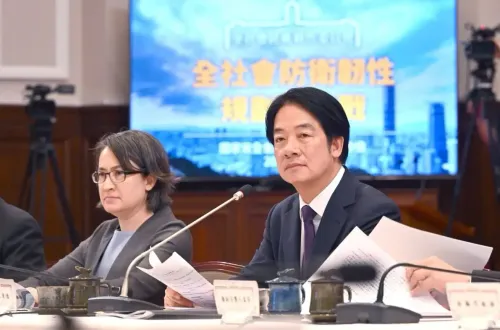
In a Facebook post following a national security briefing, Lai outlined five key points asserting Taiwan as a guardian of peace and China as the primary source of regional instability.
US President Donald Trump , in a Fox News interview after his China visit, said he is 'not looking to have somebody go independent' and wants both sides to 'cool down.' Lai thanked the US government for its continued support and reaffirmed that peace in the Taiwan Strait is non-negotiable.
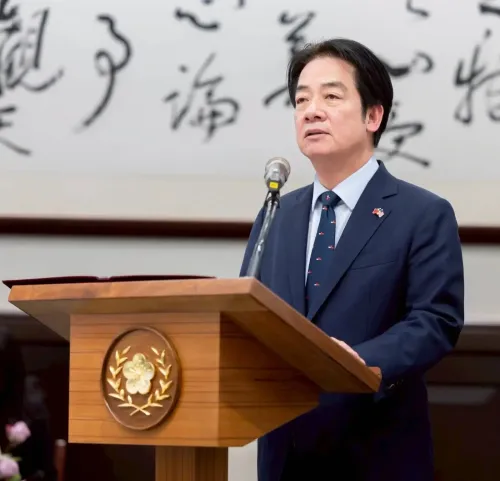
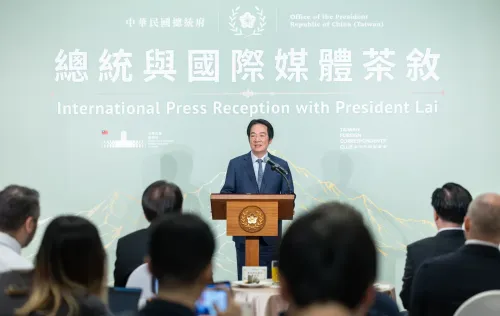
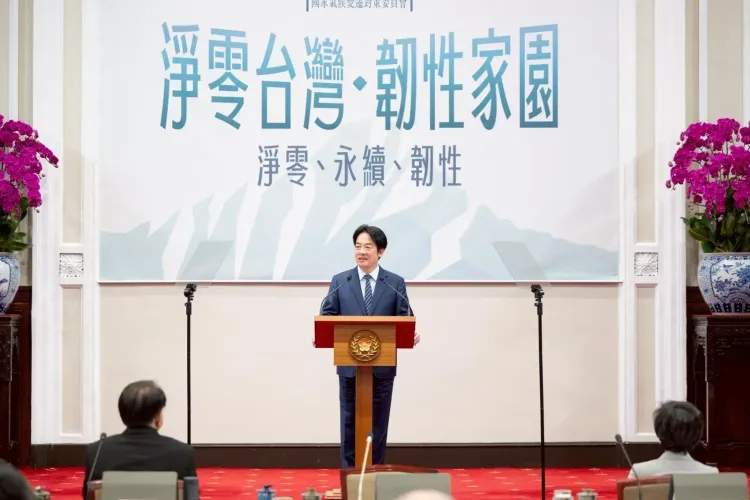
Taiwanese President William Lai on 18 May 2025 declared that Taiwan's independence means Taiwan is not part of the People's Republic of China (PRC) and that the Republic of China (RoC) and the PRC are not subordinate to each other, according to local media reports. Lai made the remarks at a youth forum marking the Democratic Progressive Party's (DPP) 40th anniversary in Taipei.
Sovereignty as the Cornerstone
Lai underscored that sovereignty is the foundation of statehood, arguing that there would be no RoC without Taiwan, as the two have become inseparable. He further stated that democracy cannot exist without sovereignty, framing the island's political identity as non-negotiable. Lai cited the DPP's Resolution on Taiwan's Future, passed at the party's National Congress in 1999, as the guiding principle of the party's cross-strait policy.
The resolution, he noted, declares Taiwan an independent sovereign state operating under the RoC name, and stipulates that any change to the 'status quo' must be decided by the people of Taiwan — not imposed from outside.
Tsai's Four Commitments Reaffirmed
Lai invoked the four commitments articulated by former Taiwanese President Tsai Ing-wen during her Double Ten National Day address in 2021. Those commitments, as reported by the Taipei Times, are: maintaining a free and democratic constitutional system; ensuring the RoC and PRC will not be subordinate to each other; resisting annexation or encroachment upon Taiwan's sovereignty; and guaranteeing that Taiwan's future is decided by the will of its own people. Lai said the DPP's 1999 resolution and Tsai's four commitments together define the party's governing philosophy.
Five-Point Response to Trump-Xi Meeting
In a subsequent post on Facebook, Lai outlined five key points following a national security briefing on US President Donald Trump's meeting with Chinese President Xi Jinping. The statement asserted that: Taiwan is a guardian of peace and stability in the Taiwan Strait and the broader region; China is the primary source of regional instability and is attempting to alter the status quo; defending Taiwan's status does not equate to pursuing independence; security cooperation and arms sales with the US remain vital for regional stability; and peace in the Taiwan Strait is a core global interest that is non-negotiable. Lai also expressed gratitude to the US government for its ongoing support of Taiwan.
Trump's Stance After China Visit
Lai's remarks came shortly after Trump, in a Fox News interview following his visit to China, said he wants both sides to 'cool down'. When asked whether Taiwanese people should feel more or less secure after his meeting with Xi, Trump responded: 'Neutral. This has been going on for years,' adding that US policy on Taiwan had not changed. Trump also said: 'I'm not looking to have somebody go independent. And, you know, we're supposed to travel 9,500 miles to fight a war. I'm not looking for that. I want them to cool down. I want China to cool down.'
What's Next
Lai's dual-track messaging — reaffirming sovereignty domestically while expressing appreciation for US support internationally — reflects Taipei's effort to hold its ground amid shifting great-power dynamics. With Trump signalling a preference for de-escalation and Beijing continuing to assert its claims, Taiwan's political leadership faces mounting pressure to define its position without triggering a fresh crisis in the strait.
Point of View
Days after Trump openly said he does not want Taiwan to go independent, reveals a widening gap between Washington's transactional instincts and Taipei's existential concerns. The invocation of Tsai's 2021 commitments is also a signal of continuity — Lai is telling his base that DPP's cross-strait doctrine has not shifted despite external pressure. The deeper question mainstream coverage underplays: if Washington's 'strategic ambiguity' is quietly hardening into 'strategic neutrality,' does Taipei's sovereignty framing still carry the deterrence value it once did?
NationPress
7 Oct 2026
Frequently Asked Questions
What did Taiwan's President William Lai say about Taiwan's independence?
Lai declared that Taiwan's independence means Taiwan is not part of the People's Republic of China and that the Republic of China and the PRC are not subordinate to each other. He made these remarks at a DPP youth forum on 18 May 2025, citing the party's 1999 resolution as its guiding cross-strait policy.
What are the four commitments Lai referenced from former President Tsai Ing-wen?
The four commitments, originally made by Tsai Ing-wen in her 2021 Double Ten National Day speech, are: maintaining a free and democratic constitutional system; ensuring the RoC and PRC will not be subordinate to each other; resisting annexation or encroachment upon Taiwan's sovereignty; and guaranteeing that Taiwan's future is decided by the will of Taiwanese people.
What were the five key points Lai outlined after the Trump-Xi meeting?
In a Facebook post following a national security briefing, Lai stated that Taiwan is a guardian of peace in the Taiwan Strait; China is the main source of regional instability; defending Taiwan's status does not mean pursuing independence; US arms sales and security cooperation are vital; and peace in the Taiwan Strait is a non-negotiable global interest.
What did US President Donald Trump say about Taiwan after his China visit?
Trump said in a Fox News interview that he is 'not looking to have somebody go independent' and wants both China and Taiwan to 'cool down.' He described his position as 'neutral,' adding that US policy on Taiwan has not changed following his meeting with President Xi Jinping.
Why is the DPP's 1999 Resolution on Taiwan's Future significant?
The resolution declares Taiwan an independent sovereign state operating under the Republic of China name, stipulates that the RoC and PRC are not subordinate to each other, and requires that any change to Taiwan's status quo be decided by the Taiwanese people. Lai cited it as the foundational policy document guiding the DPP's cross-strait stance.