Taiwan calls China 'sole risk' to regional peace after Xi-Trump talks
Synopsis
Hours after Xi Jinping told Trump that Taiwan is the 'most important issue' in US-China relations, Taipei fired back — calling Beijing the 'sole risk' to regional peace. The swift rebuttal signals that Taiwan will not allow US-China diplomatic summitry to redefine its status without a fight.
Key Takeaways
Taiwan's Ministry of Foreign Affairs on 14 May called Beijing the ‘sole risk’ to regional peace and stability.
The statement came hours after Xi Jinping told Donald Trump in Beijing that the Taiwan question is the ‘most important issue’ in US-China relations.
Xi warned that mishandling the issue could lead to ‘clashes and even conflicts’ between the two powers.
Taiwan's ministry asserted that Taiwan and China ‘are not subordinate to each other’ and that Beijing has no right to represent Taipei internationally.
China maintains it will pursue reunification with Taiwan by force if necessary; Taiwan continues to assert its sovereignty.
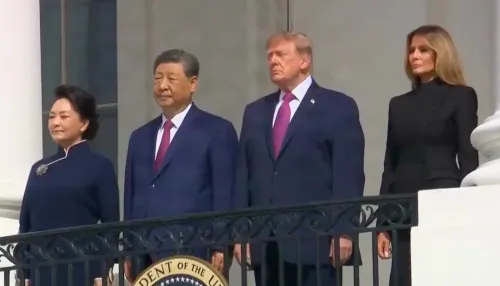
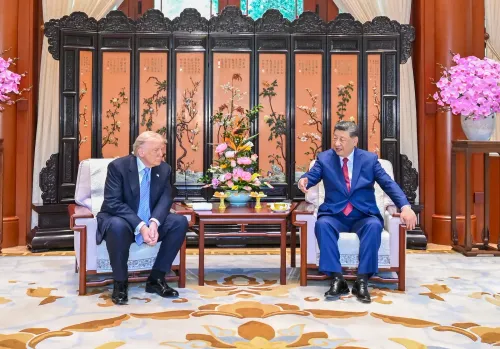
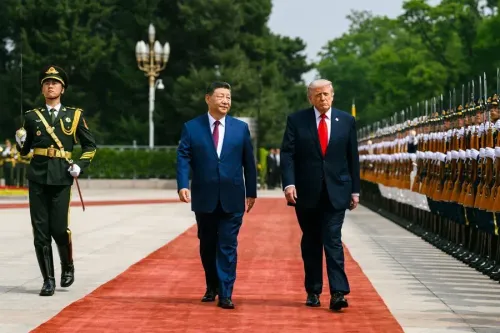
Taiwan's Ministry of Foreign Affairs (MoFA) on Thursday, 14 May declared that Beijing is the ‘sole risk’ to regional peace and stability, issuing its sharpest rebuke yet of China in the wake of high-stakes talks between Chinese President Xi Jinping and US President Donald Trump in Beijing.
Taiwan's Direct Rebuttal
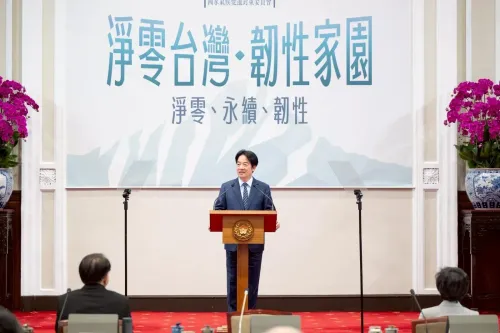
When asked to respond to Xi's remarks, Taiwan's Foreign Ministry spokesperson said, ‘Beijing is the sole risk to regional peace and stability.’ The ministry added that Taiwan will continue to cooperate with the United States and other nations that uphold freedom and democracy to ensure regional security and prosperity.
The ministry further asserted that Taiwan and the People's Republic of China ‘are not subordinate to each other,’ and that China does not have the right to represent Taiwan in any international arena.
What Xi Jinping Said to Trump
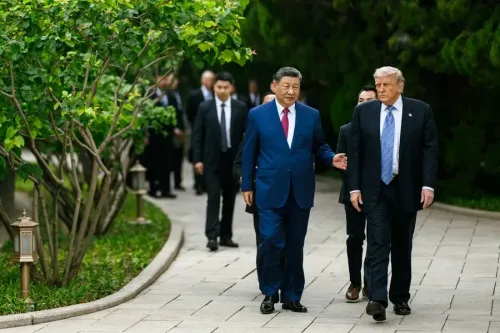
During their bilateral meeting in Beijing on Thursday, Xi Jinping told Trump that the Taiwan question is ‘the most important issue in China-US relations.’ A statement released by China's Ministry of Foreign Affairs quoted Xi as saying: ‘If it is handled properly, the bilateral relationship will enjoy overall stability. Otherwise, the two countries will have clashes and even conflicts, putting the entire relationship in great jeopardy. “Taiwan independence” and cross-Strait peace are as irreconcilable as fire and water.’
Xi also described safeguarding peace and stability across the Taiwan Strait as ‘the biggest common denominator between China and the US,’ and urged the US to ‘exercise extra caution’ in handling the issue.
The Longstanding Fault Line
China maintains that Taiwan is an inalienable part of its territory and has not ruled out the use of force to achieve reunification. Despite sustained military and diplomatic pressure from Beijing, Taiwan continues to assert its sovereignty, backed by strong domestic public support and an implicit security relationship with Washington.
This is not the first time Taiwan has pushed back publicly against China's framing of the cross-Strait relationship. However, Thursday's statement is notably direct, coming within hours of Xi's remarks to a sitting US president — a signal that Taipei is watching the US-China diplomatic track closely and intends to shape the narrative around it.
Why This Moment Matters
The timing is significant. Any convergence between Washington and Beijing on the Taiwan question — even rhetorical — risks being interpreted in Taipei as a softening of US commitment. Taiwan's swift and pointed response signals that Taipei will not allow the bilateral US-China agenda to define its status without contest.
Analysts note that Xi's framing — positioning Taiwan as the linchpin of overall US-China stability — is a well-established negotiating posture, but its articulation directly to Trump in Beijing gives it fresh diplomatic weight. How the Trump administration responds publicly will be closely watched across the region.
Point of View
More than any single statement, is what keeps Taipei on edge.
NationPress
13 Oct 2026
Frequently Asked Questions
What did Taiwan's Foreign Ministry say about China on 14 May 2025?
Taiwan's Ministry of Foreign Affairs declared that 'Beijing is the sole risk to regional peace and stability,' adding that Taiwan will cooperate with the US and like-minded democracies to ensure regional security. The statement also asserted that Taiwan and China are not subordinate to each other.
What did Xi Jinping tell Trump about Taiwan during their Beijing meeting?
Xi Jinping told Trump that the Taiwan question is 'the most important issue in China-US relations,' warning that mishandling it could lead to 'clashes and even conflicts.' He also described cross-Strait stability as 'the biggest common denominator between China and the US.'
Why did Taiwan respond so quickly to Xi's remarks?
Taiwan responded within hours because Xi's framing — positioning Taiwan as the pivot of overall US-China stability — risks implying that Washington should limit its support for Taipei to preserve the broader bilateral relationship. Taipei's swift rebuttal was a signal that it will not allow that narrative to go unchallenged.
What is China's official position on Taiwan?
China maintains that Taiwan is an inalienable part of its territory and has stated it will pursue reunification by force if necessary. Beijing also asserts it has the right to represent Taiwan in international arenas, a claim Taipei firmly rejects.
How does Taiwan assert its sovereignty despite Chinese pressure?
Taiwan continues to assert its sovereignty through democratic governance, independent foreign policy, and cooperation with the US and other democracies. It is backed by strong domestic public support and, while lacking formal diplomatic recognition from most countries, maintains substantive relations with Washington under the Taiwan Relations Act.