Cricketers Gambhir and Dhawan Honor Bhagat Singh and Fellow Martyrs on Shaheed Diwas
Synopsis
In a heartfelt tribute on Martyrs' Day, Indian cricketers Gautam Gambhir and Shikhar Dhawan honored freedom fighters Bhagat Singh, Sukhdev Thapar, and Shivaram Rajguru, reflecting on their enduring legacy of courage and sacrifice in India's fight for independence.
Key Takeaways
Gautam Gambhir and Shikhar Dhawan honored martyrs on Shaheed Diwas .
The day commemorates the sacrifices made by Bhagat Singh , Sukhdev , and Rajguru .
Their legacy continues to inspire future generations.
Martyrs' Day is significant for recognizing India's freedom fighters .
The HSRA played a crucial role in India's revolutionary movement.
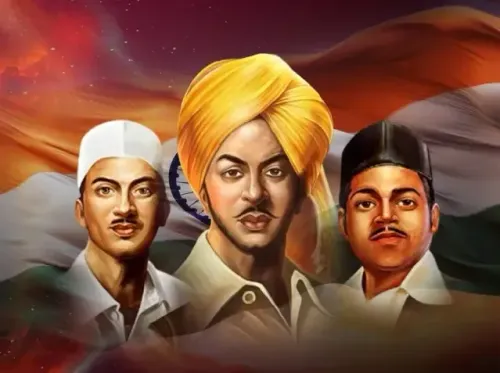
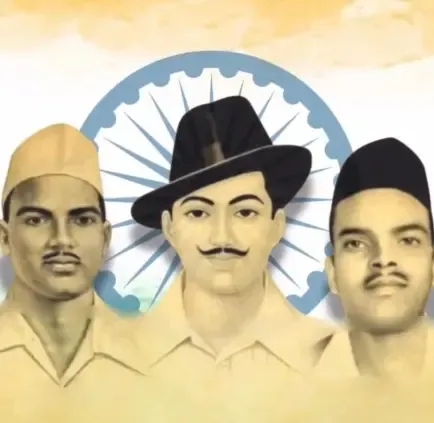
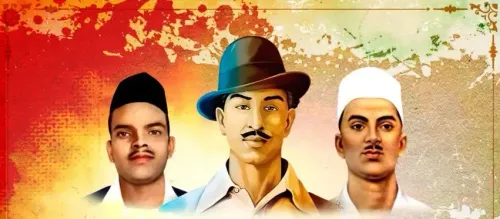
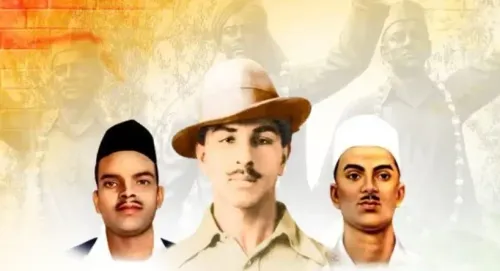
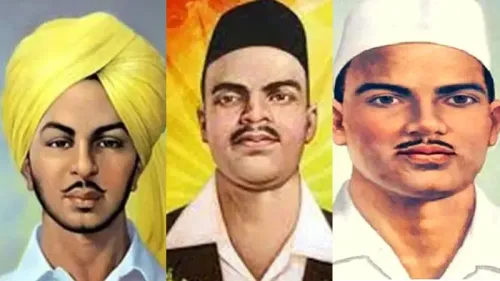
New Delhi, March 23 (NationPress) Indian cricketers Gautam Gambhir and Shikhar Dhawan paid emotional tributes to the freedom fighters Bhagat Singh, Sukhdev Thapar, and Shivaram Rajguru on the significant occasion of Martyrs' Day (Shaheed Diwas), commemorating their valor and sacrifice.
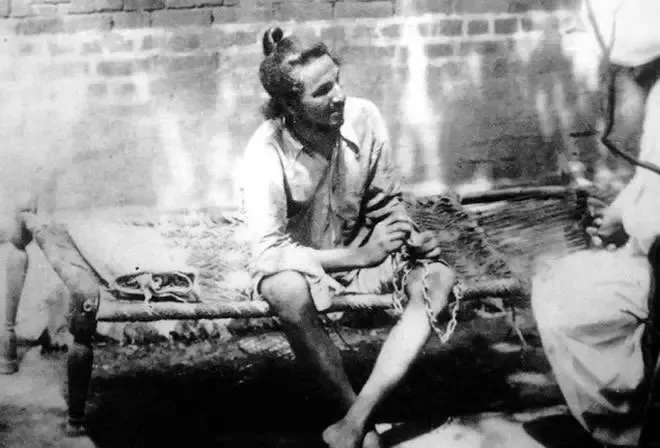
This day honors the sacrifices made by Bhagat Singh, Rajguru, and Sukhdev, who were executed by the British in 1931. Annually, individuals across the nation celebrate their bravery and contributions to India's struggle for independence. In 2026, even prominent leaders, including Prime Minister Narendra Modi, honored these martyrs, ensuring that their legacy remains alive.
Gambhir took to X to pay tribute to the revolutionary figure, emphasizing his steadfast determination. “Even death couldn’t force him to compromise! That’s Sardar Bhagat Singh! #Icon,” he stated, highlighting the lasting influence of one of India’s most esteemed freedom fighters.
Dhawan shared a message of remembrance, honoring Bhagat Singh and his fellow revolutionaries, Sukhdev and Rajguru.
“On Martyrs’ Day, I pay tribute to Bhagat Singh, Sukhdev Thapar, and Shivaram Rajguru. Their courage and sacrifice will always serve as an inspiration for us,” Dhawan expressed, reflecting the widespread sentiments of respect and gratitude observed throughout the country.
Shaheed Diwas is celebrated every year to recognize the bravery and ultimate sacrifices of India’s freedom fighters, with Bhagat Singh, Sukhdev, and Rajguru standing as enduring symbols of resistance and patriotism.
Members of the Hindustan Socialist Republican Association (HSRA), including Bhagat Singh, Rajguru, and Sukhdev, aimed to avenge the death of Lala Lajpat Rai by targeting British officer James Scott. This led to the Saunders shooting in 1928.
Subsequently, they threw bombs in the Central Assembly to demand independence. The trio was arrested and sentenced to death. Guided by socialist ideals, they believed their ultimate sacrifice would spark a large-scale revolutionary movement against colonial rule.
Point of View
As their stories inspire future generations.
NationPress
24 Sept 2026
Frequently Asked Questions
What is Martyrs' Day?
Martyrs' Day, or Shaheed Diwas, is observed annually in India to honor freedom fighters who made the ultimate sacrifice for the nation's independence.
Who are Bhagat Singh, Sukhdev, and Rajguru?
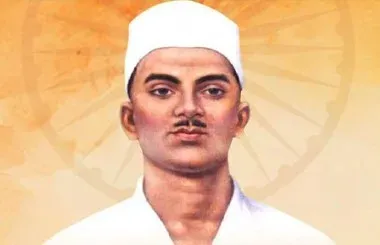
Bhagat Singh, Sukhdev Thapar, and Shivaram Rajguru were prominent figures in India's independence movement, known for their revolutionary activities against British colonial rule.
What did Gambhir and Dhawan say about the martyrs?
Gambhir emphasized Bhagat Singh's uncompromising spirit, while Dhawan expressed that the courage and sacrifice of the martyrs continue to inspire the nation.
Why is the legacy of these martyrs important?
The legacy of these martyrs is vital as it embodies the ideals of bravery and sacrifice, serving as a source of inspiration for future generations.
How is Martyrs' Day observed in India?
Martyrs' Day is observed with various ceremonies, tributes, and discussions highlighting the contributions of freedom fighters to India's independence.