Rahul Gandhi and Kharge Honor the Legacy of Bhagat Singh, Sukhdev, and Rajguru
Synopsis
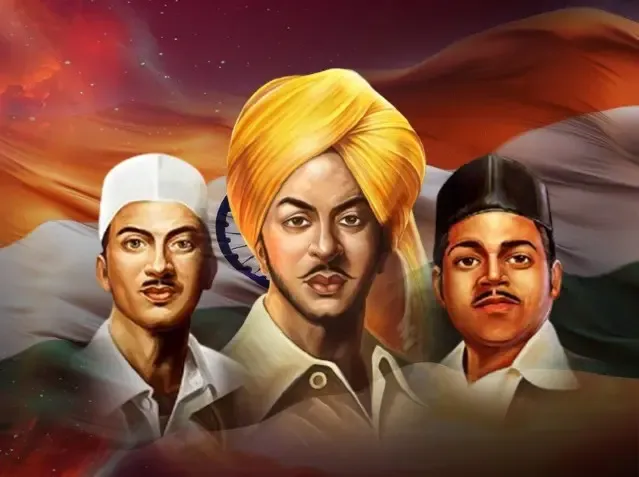
On March 23, Rahul Gandhi and Mallikarjun Kharge pay tribute to Bhagat Singh, Sukhdev, and Rajguru, honoring their sacrifices in the fight for India's independence. Their legacy continues to inspire generations in the struggle for justice and equality.
Key Takeaways
Bhagat Singh , Sukhdev , and Rajguru are celebrated as national heroes.
March 23 is observed as Shaheedi Diwas .
Their sacrifices continue to inspire the fight for justice and equality in India.
Rahul Gandhi and Mallikarjun Kharge paid tribute to their legacy.
The HSRA played a pivotal role in the freedom struggle.
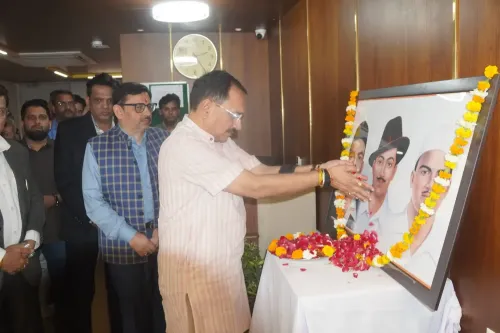
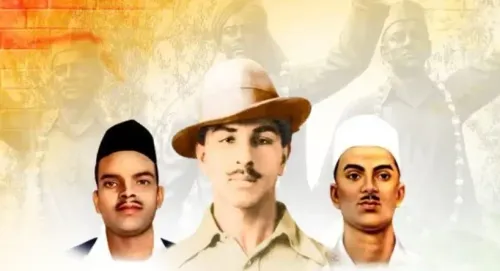
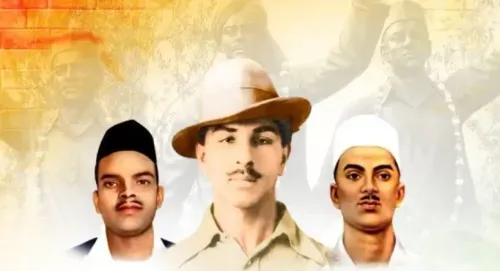
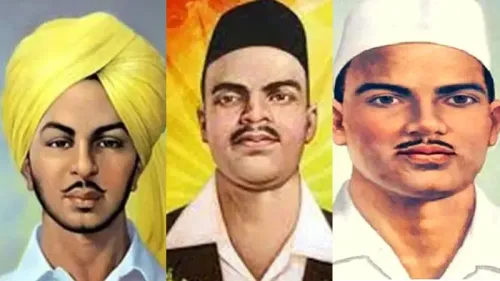
New Delhi, March 23 (NationPress) On Monday, Rahul Gandhi, the Leader of the Opposition in the Lok Sabha, along with Mallikarjun Kharge, the National President of Congress, commemorated the bravery of Bhagat Singh, Sukhdev, and Rajguru. They lauded the fearless efforts and ultimate sacrifices made by these heroes in their quest for the nation's freedom.
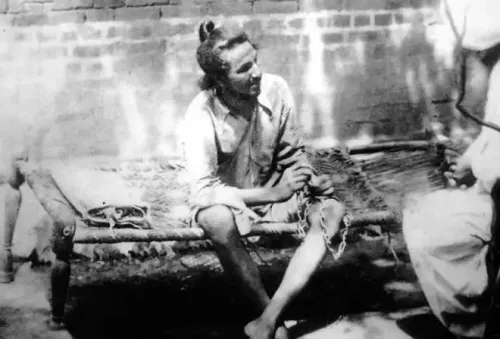
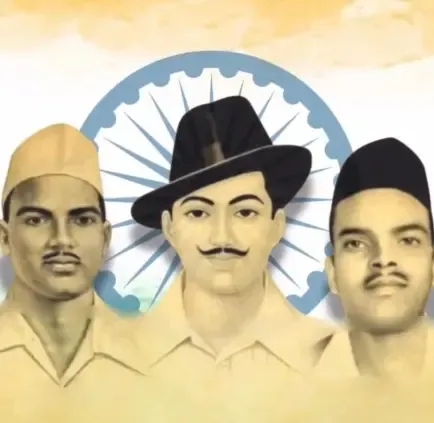
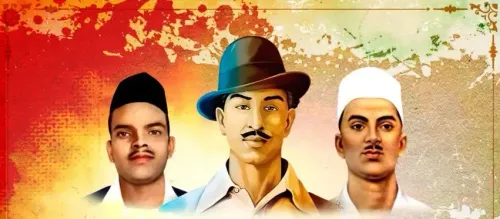
Bhagat Singh, Sukhdev Thapar, and Shivaram Rajguru are renowned Indian revolutionaries whose execution on March 23, 1931, in Lahore jail intensified the freedom movement. This date is now recognized as Shaheedi Diwas.
In a message on X, Gandhi remarked, "On this martyrdom day of the esteemed revolutionary Sardar Bhagat Singh, Sukhdev, and Rajguru, I offer my humble tribute. Their fearless fight and supreme sacrifice for our nation serve as an inspiration for every Indian."
He added, "Respect to the valiant sons of Mother India. Inquilab Zindabad!"
Kharge also expressed his respect for the revolutionaries via social media.
"To the immortal revolutionaries who laid down their lives for our motherland—Shaheed-e-Azam Bhagat Singh, Rajguru, and Sukhdev—countless salutations. Their unmatched bravery, sacrifice, and commitment will eternally inspire us. The grateful nation will always remain indebted to their sacrifice," Kharge posted on X.
Congress Wayanad MP Priyanka Gandhi honored the "immortal martyrs," stating, "I express my humble respects to Bhagat Singh, Sukhdev, and Rajguru. Shaheed-e-Azam Bhagat Singh and his revolutionary comrades devoted their lives to liberating India from inequality, exploitation, poverty, and injustice, sacrificing themselves for the nation. Let us protect the legacy of our great martyrs—this will be the truest tribute to them."
Members of the Hindustan Socialist Republican Association (HSRA), including Bhagat Singh, Rajguru, and Sukhdev, sought revenge for the death of Lala Lajpat Rai by targeting British officer James Scott, leading to the Saunders shooting in 1928.
Subsequently, they launched bombs in the Central Assembly to demand independence. The trio was arrested and sentenced to death.
Driven by socialist ideals, they believed their ultimate sacrifice would spark a significant revolutionary movement against colonial rule.
Point of View
The tributes paid by prominent leaders to the revolutionary martyrs underscore the enduring legacy of sacrifice and valor in the fight for independence. The homage reflects a collective commitment to honor the principles of justice and equality that these martyrs stood for.
NationPress
24 Sept 2026
Frequently Asked Questions
Who were Bhagat Singh, Sukhdev, and Rajguru?
Bhagat Singh, Sukhdev Thapar, and Shivaram Rajguru were iconic Indian revolutionaries who played a crucial role in the fight against British colonial rule. They were executed on March 23, 1931, which is now observed as Shaheedi Diwas.
Why is March 23 significant in Indian history?
March 23 is significant as it marks the execution of Bhagat Singh, Sukhdev, and Rajguru, whose sacrifices became a pivotal moment in India's freedom struggle and are commemorated as Shaheedi Diwas.
What did Rahul Gandhi say about the martyrs?
Rahul Gandhi expressed his humble tribute on social media, honoring their fearless struggle and supreme sacrifice, stating that they continue to inspire every Indian.
What role did the Hindustan Socialist Republican Association play?
The HSRA, of which Bhagat Singh, Rajguru, and Sukhdev were members, aimed to avenge the death of Lala Lajpat Rai and led significant actions, including the Saunders shooting and bombing the Central Assembly.
How did the revolutionaries view their sacrifices?
The revolutionaries believed their sacrifices would ignite a mass revolutionary movement against colonial rule, inspired by socialist ideas.