Drought crisis grips western Rajasthan; Gehlot urges CM Sharma to act
Synopsis
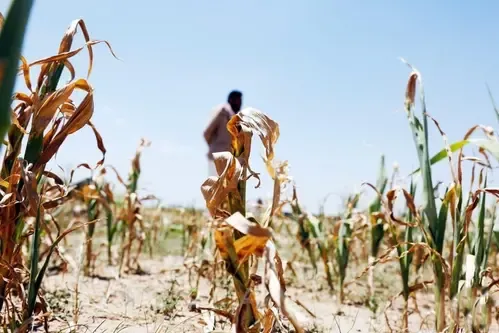
Eight days after the Rajasthan CM announced fodder depots in Barmer, not one has opened. Former CM Gehlot is now citing cattle deaths in 20-plus villages, plastic consumption by livestock, fodder prices tripling, and ₹383 crore in pending gaushala grants — as even a BJP MLA joins the chorus demanding a formal drought declaration.
Key Takeaways
Former Rajasthan CM Ashok Gehlot on 8 October 2026 urged CM Bhajan Lal Sharma to formally declare drought in western Rajasthan and launch immediate relief.
Fodder depots announced for Barmer on 30 September remain unopened eight days later; proposals for 23 patwar circles await government approval.
Livestock deaths reportedly confirmed in more than 20 villages in the Gadra Road area; cattle allegedly consuming plastic due to fodder shortage.
Fodder prices in border areas have reportedly risen up to three times normal levels, with hoarding complaints emerging.
Government is providing only ₹50 per day per large animal to gaushalas, against an operational cost of ₹100–₹150 ; grant bills of approximately ₹383 crore pending as of 9 September .
Even a BJP MLA from Jaisalmer has demanded a formal drought declaration, which has not yet been made.
Former Rajasthan Chief Minister Ashok Gehlot on Thursday, 8 October 2026, raised an urgent alarm over a worsening drought in western Rajasthan, demanding that Chief Minister Bhajan Lal Sharma formally declare drought-hit areas and launch immediate relief operations. Gehlot warned that livestock were dying of hunger and thirst while the state government had, in his words, limited itself to 'hollow announcements' without tangible ground-level action.
Fodder Depots Still Unopened Eight Days After Announcement
Gehlot pointed out that despite Chief Minister Sharma announcing the opening of fodder depots in Barmer on 30 September, neither fodder depots had been set up nor animal camps started — even eight days later — in the affected areas of Barmer and Jaisalmer. He cited local administration in Gadra Road, which had reportedly informed media that proposals to launch fodder camps across 23 patwar circles had been submitted but were still awaiting approval.
The state administration has reportedly cited the Model Code of Conduct as the reason for the delay. Gehlot questioned why the government had not made necessary preparations before the code came into force, given that the drought situation was already apparent well in advance.
Cattle Deaths, Plastic Consumption Reported in Over 20 Villages
Expressing alarm over reports of cattle deaths, the former Chief Minister said that, according to local villagers, livestock fatalities had been reported in more than 20 villages in the Gadra Road area of Barmer. He added that the situation had, according to reports, deteriorated to the point where cattle in some areas were being forced to consume plastic and garbage due to the acute fodder shortage.
In border villages, fodder prices had reportedly risen up to three times their normal levels, with allegations of hoarding also surfacing, according to Gehlot.
Gaushala Funds Inadequate, ₹383 Crore in Grant Bills Pending
Gehlot alleged that the government was providing only ₹50 per day per large animal to gaushalas, while gaushala operators claimed the actual daily expenditure ranged between ₹100 and ₹150 per animal. He further cited government figures showing that grant bills worth approximately ₹383 crore remained pending as of 9 September.
Notably, Gehlot also pointed out that even a Bharatiya Janata Party (BJP) Member of Legislative Assembly from Jaisalmer had demanded an immediate drought declaration — a demand the government had yet to act upon.
Opposition Demands Drought Declaration, Water Tankers, Immediate Relief
This comes amid growing political pressure on the BJP-led Rajasthan government, which has been in power since late 2023. Gehlot urged Chief Minister Sharma to immediately declare the affected areas as drought-hit, operationalise fodder depots and animal camps, and arrange drinking water supply through tankers to impacted villages. He also asked whether the government had sought permission from the State Election Commission to undertake relief work under the Model Code of Conduct — a step that critics argue should have been taken proactively.
Newspapers across Rajasthan are reportedly carrying front-page accounts of the drought's severity, yet effective relief measures remain invisible on the ground, Gehlot said. With winter approaching and fodder prices surging, the pressure on both the state government and rural communities in western Rajasthan is expected to intensify in the weeks ahead.
Point of View
And the government had both the notice and the obligation to pre-position relief. That even a BJP MLA from Jaisalmer is now publicly demanding a drought declaration signals that the political cost of inaction is rising faster than the government has calculated. The ₹383 crore in pending gaushala grants, combined with a daily subsidy of ₹50 against an actual cost of ₹100–₹150 per animal, points to a structural underfunding problem that predates this season's crisis. A formal drought declaration is not just a political gesture — it unlocks central relief funds and legal obligations that the state is currently sidestepping.
NationPress
8 Oct 2026
Frequently Asked Questions
What is the current drought situation in western Rajasthan?
Western Rajasthan is facing a serious drought, with livestock deaths reported in more than 20 villages in the Gadra Road area of Barmer and fodder prices rising up to three times normal levels. Despite a government announcement on 30 September about opening fodder depots in Barmer, no depots or animal camps had been set up as of 8 October 2026.
Why have fodder depots not been opened in Barmer and Jaisalmer?
The state administration has cited the Model Code of Conduct as the reason for the delay in opening fodder depots and starting animal camps. Former CM Gehlot has questioned why preparations were not made before the code came into force, given the drought was already apparent.
What demands has Ashok Gehlot made to the Rajasthan government?
Gehlot has urged Chief Minister Bhajan Lal Sharma to immediately declare the affected areas as drought-hit, open fodder depots and animal camps, arrange water supply through tankers to impacted villages, and seek State Election Commission permission to undertake relief work.
How much money is the Rajasthan government providing to gaushalas for drought relief?
The government is reportedly providing ₹50 per day per large animal to gaushalas, while operators say the actual daily cost ranges between ₹100 and ₹150. Grant bills of approximately ₹383 crore were also reportedly pending as of 9 September.
Has there been political pressure from within the BJP to declare drought?
Yes. Gehlot noted that a BJP MLA from Jaisalmer had publicly demanded that the government immediately declare a drought, though no such formal declaration had been made as of 8 October 2026.