Rajasthan drought 2026: Gehlot demands relief as Meena orders survey
Synopsis
Rajasthan's rainfall has crashed to a 17-year low, just one year after the state recorded its wettest season in over a century. With roughly 6,600 villages across four western districts facing drought-like conditions and Panchayat elections in progress, the gap between the BJP government's wait-for-survey stance and Congress demands for immediate relief is fast becoming the defining rural political battle of the season.
Key Takeaways
Rajasthan is experiencing its worst rainfall deficit in 17 years in 2026 , a sharp reversal from 2025 's record 108-year high.
Agriculture Minister Kirodi Lal Meena confirmed eight to ten districts received below-normal rainfall; the Revenue Department survey is ongoing.
According to figures cited by former CM Ashok Gehlot , approximately 6,637 villages across Jodhpur , Barmer , Balotra , and Jaisalmer are facing drought-like conditions.
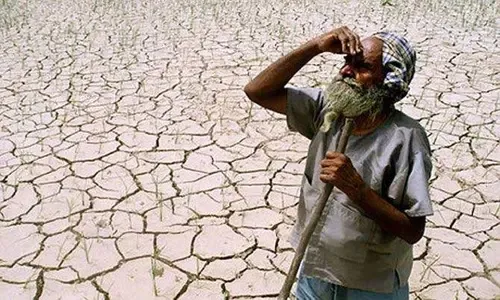
Farmers and livestock owners in western Rajasthan face shortages of both water and fodder, with rural livelihoods under severe strain.
The government has stated that relief measures will be initiated only after the survey is complete and drought conditions are officially declared.
The issue has become politically charged with Panchayat elections currently underway across the state.
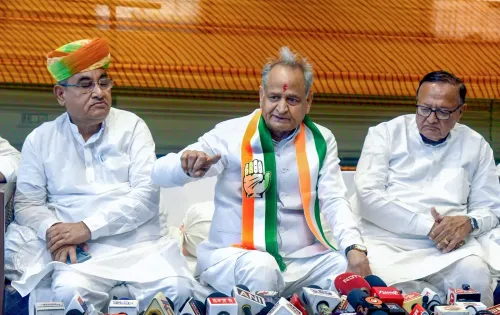
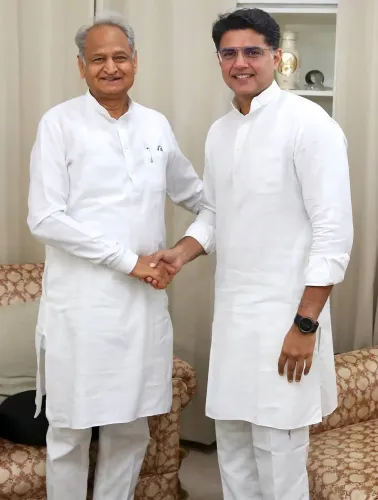
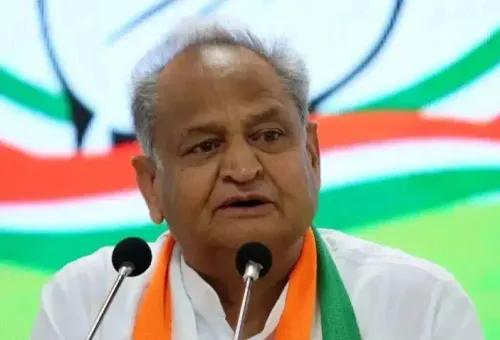
Rajasthan is grappling with its worst rainfall deficit in 17 years, with several districts across the state's western belt recording drought-like conditions that are straining water supplies, depleting fodder stocks, and squeezing rural livelihoods. The crisis has triggered a political standoff between former Chief Minister Ashok Gehlot of the Indian National Congress (Congress) and Agriculture Minister Kirodi Lal Meena of the ruling Bhajanlal Sharma-led Bharatiya Janata Party (BJP) government in Jaipur.
Scale of the Rainfall Deficit
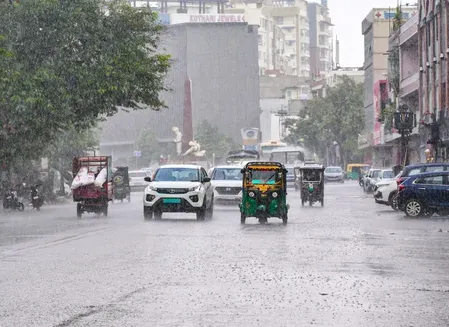
The contrast with last year is stark: in 2025, Rajasthan recorded its highest rainfall in 108 years, only for 2026 to deliver its driest season in nearly two decades. The hardest-hit districts are Jodhpur, Barmer, Jaisalmer, and Balotra in western Rajasthan, where both agricultural output and drinking water availability have been severely affected. Agriculture Minister Meena has confirmed that eight to ten districts across the state received below-normal rainfall this season.
What Gehlot Has Said
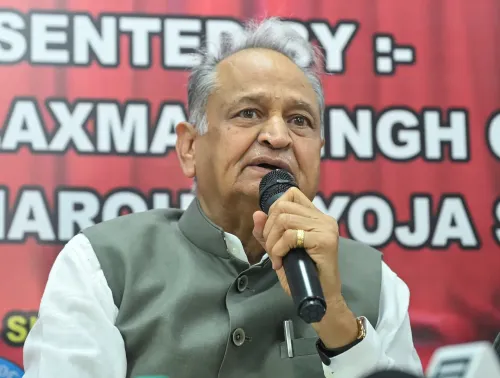
In early October 2026, Gehlot publicly raised alarms over the deteriorating situation in western Rajasthan, citing figures that pointed to a large number of villages already facing drought-like conditions. According to the figures cited by Gehlot, approximately 2,000 villages in Jodhpur, 2,460 in Barmer, 1,216 in Balotra, and 961 in Jaisalmer were under severe stress. He urged the Bhajanlal Sharma government to move immediately on relief for affected farmers, arguing that delays would compound losses already suffered during the sowing and harvesting cycle.
Government's Response
Minister Meena has said that state government officials and District Collectors are closely monitoring the ground situation. The Revenue Department is currently conducting a survey to determine the precise extent of crop and livelihood damage. Meena indicated that the government would formally consider relief measures — including the possibility of an official drought declaration — only after the survey is complete. The timing and scope of any assistance will be guided by the survey's findings and the established administrative procedure for drought recognition.
Impact on Farmers and Livestock
Beyond crop losses, the rainfall shortfall has cascading consequences. Depleted water sources are affecting drinking water supplies in rural households, while the sharp drop in fodder availability is pushing livestock owners into acute distress. Farming families dependent on rainfed agriculture are among the most exposed, with limited access to irrigation alternatives in the arid western districts. This is the region's second major weather-linked rural crisis in two years — following the flood damage caused by last year's record rains — underscoring the volatility of Rajasthan's climate cycle.
Political Dimension
The drought debate has taken on added significance because Panchayat elections are currently underway in Rajasthan, making rural distress a live electoral issue. The Congress has demanded urgent assistance for affected communities, while the BJP-led state government has maintained that it will act methodically once the official assessment is finalised. The exchange between Gehlot and Meena reflects a broader contest over which party is seen as more responsive to the agrarian concerns of rural Rajasthan. How quickly the government moves from survey to declared relief is likely to shape that perception in the coming weeks.
Point of View
Who oversaw his own share of delayed drought responses, is on firmer ground as a critic than he would be as an incumbent. The deeper issue is structural: Rajasthan's agriculture oscillates violently between flood and drought, yet the state's contingency infrastructure remains reactive rather than preparedness-driven. The Panchayat election backdrop will accelerate political pressure, but it also risks reducing a genuine agrarian crisis to a scoring opportunity for both sides.
NationPress
23 Oct 2026
Frequently Asked Questions
How severe is the drought situation in Rajasthan in 2026?
Rajasthan is facing its worst rainfall deficit in 17 years in 2026, with drought-like conditions reported across western districts including Jodhpur, Barmer, Jaisalmer, and Balotra. According to figures cited by former Chief Minister Ashok Gehlot, over 6,600 villages in these four districts alone are under stress.
What is the Rajasthan government doing about the drought?
Agriculture Minister Kirodi Lal Meena has said that District Collectors and state officials are monitoring the situation and the Revenue Department is conducting a survey to assess the damage. The government has stated that relief measures, including a possible formal drought declaration, will follow once the assessment is complete.
What has Ashok Gehlot demanded from the Bhajanlal Sharma government?
Gehlot urged the BJP-led state government to immediately provide relief to farmers in drought-affected areas, particularly in western Rajasthan. He raised the issue in early October 2026, citing figures of thousands of villages facing water and fodder shortages.
Who is most affected by the Rajasthan rainfall deficit?
Farmers and livestock owners in western Rajasthan — especially in Jodhpur, Barmer, Jaisalmer, and Balotra — are most affected. Reduced water availability is hitting drinking water supplies and fodder stocks, with rainfed agricultural households facing the steepest losses.
How does the 2026 drought compare to recent years in Rajasthan?
The contrast is extreme: 2025 saw Rajasthan record its highest rainfall in 108 years, while 2026 has brought the state's lowest rainfall in 17 years. This swing highlights the high climate volatility Rajasthan's agrarian communities contend with from year to year.