Great Indian Bustard rewilding begins at Jaisalmer's Desert National Park
Synopsis
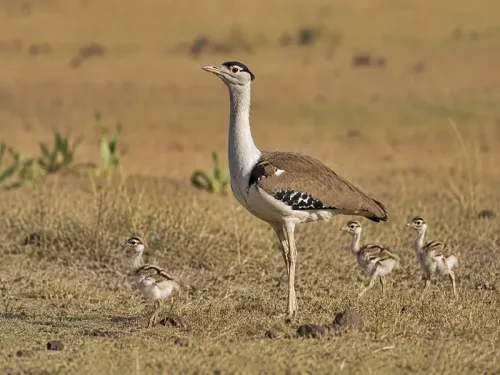
India's decade-long bid to save the Great Indian Bustard reached its most consequential moment yet — two captive-bred birds are being released into the wild at Jaisalmer's Desert National Park. With fewer than 150 GIBs estimated to survive in the wild, every rewilding attempt carries enormous weight, and a ₹9.25 crore pillar-less aviary in Ramdevra has been purpose-built to get them ready.
Key Takeaways
Two captive-bred Great Indian Bustards are being released into the wild at Desert National Park, Jaisalmer , marking a milestone in the decade-long GIB Conservation Programme.
The Rewilding Aviary at Ramdevra was built at a cost of ₹9.25 crore by the Rajasthan government to prepare captive-bred GIBs for release.
Union Environment Minister Bhupender Yadav and Rajasthan CM Bhajan Lal Sharma presided over the event on 3 October 2026 .
The GIB is an umbrella species for the Thar ecosystem and a key stopover for migratory birds on Central Asian flyways .
Successful conservation is expected to generate eco-tourism benefits for local communities in the Jaisalmer region.
The wild GIB population is estimated to have fallen to fewer than 150 individuals , making each rewilding attempt critical.
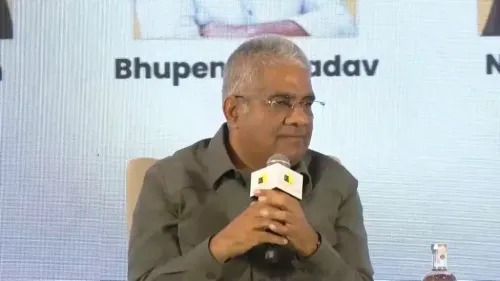
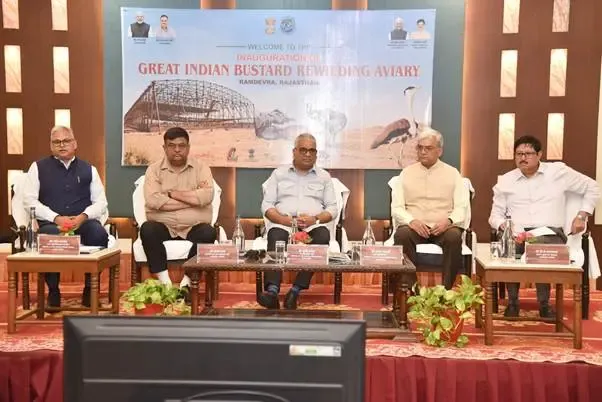
Union Environment Minister Bhupender Yadav on Saturday, 3 October 2026, lauded Prime Minister Narendra Modi's vision for the Great Indian Bustard (GIB) conservation programme, calling it a global benchmark as the decade-long initiative reached a landmark milestone — the rewilding of captive-bred birds at Desert National Park, Jaisalmer. The event marked the initiation of the release process for two captive-bred GIBs from the soft-release facility into the wild, scheduled for the following day.
The Rewilding Milestone
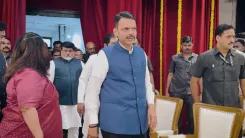
Yadav addressed officials, scientists from the Wildlife Institute of India (WII), forest department personnel, and local community representatives at the facility in Ramdevra, commending their collective effort in bringing the programme to the stage of rewilding. Rajasthan Chief Minister Bhajan Lal Sharma participated in the event via video conferencing and described the day as 'a day of pride for the whole state,' noting that the GIB — the state bird of Rajasthan — had been brought back from the brink of extinction through coordinated efforts of the Union and state governments.
The Rewilding Aviary and Conservation Infrastructure
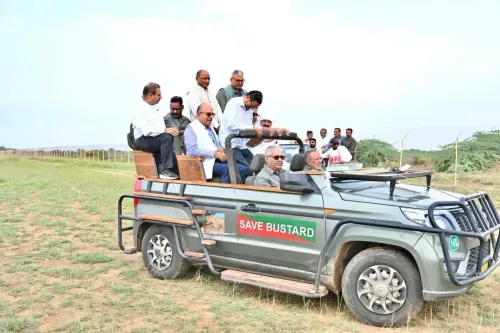
Central to the programme is the newly constructed Rewilding Aviary at Ramdevra, built by the Rajasthan Forest Department through the Rajasthan State Road Development and Construction Corporation Ltd. (RSRDC) at a sanctioned budget of ₹9.25 crore from the Government of Rajasthan. The large, pillar-less facility provides unobstructed flight space, enabling captive-bred GIBs to develop flight muscles, adapt to natural conditions, and exhibit natural behaviours in preparation for their eventual release. Dignitaries also reviewed progress at the GIB Conservation Breeding Centre at both Ramdevra and Sam, and released a brochure documenting the decadal journey of GIB conservation in the landscape.
Ecological and Economic Significance
Yadav underscored the GIB's role as an umbrella species for the Thar ecosystem, highlighting its importance for grassland conservation, land degradation neutrality, and as a critical stopover for migratory birds along Central Asian flyways. Beyond ecology, the minister stated that a successful GIB conservation programme would generate tangible economic benefits for local communities through eco-tourism, adding a livelihood dimension to the conservation effort.
Political and Institutional Support
Rajasthan State Minister for Forest and Environment Sanjay Sharma, along with senior officers from both the Union and state governments, also attended the event in person. Chief Minister Bhajan Lal Sharma detailed the funding contributions made by the state government for the GIB Conservation Programme, and pointed to the broader environmental conservation interventions undertaken across Rajasthan. The release of the brochure on the programme's ten-year journey was received as a symbolic marker of institutional continuity spanning multiple governments.
What Comes Next
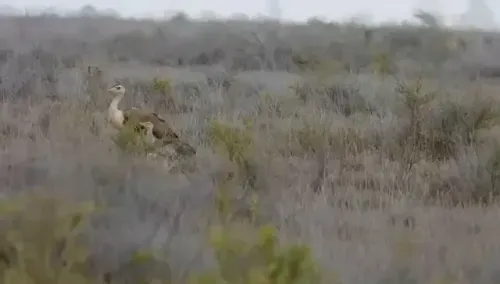
The formal release of the two captive-bred GIBs into the wild at Desert National Park is set to be a closely watched moment for wildlife conservationists and ecologists globally. If successful, the rewilding process could serve as a replicable model for other critically endangered grassland species in South Asia. The GIB population, once numbering in the thousands, is estimated to have fallen to fewer than 150 individuals in the wild, making every successful release significant.
Point of View
But the programme's longer test lies in what happens after the cameras leave — survival rates of soft-released birds in fragile grassland habitats remain notoriously difficult to sustain without continued habitat protection. The GIB's decline was driven as much by agricultural encroachment and overhead power lines as by breeding failure, and neither problem has been fully resolved. Celebrating a decade of conservation is warranted; conflating it with recovery would be premature when the wild population is still estimated below 150 individuals. The eco-tourism framing is a smart incentive alignment, but it needs active community stewardship structures, not just ministerial mentions.
NationPress
3 Oct 2026
Frequently Asked Questions
What is the Great Indian Bustard rewilding programme?
The Great Indian Bustard (GIB) rewilding programme is a decade-long conservation initiative in which captive-bred GIBs are raised at specialised facilities and then gradually reintroduced into their natural habitat. The latest milestone involves the release of two captive-bred birds into the wild at Desert National Park in Jaisalmer, Rajasthan, using a purpose-built ₹9.25 crore pillar-less aviary at Ramdevra to prepare them for life in the wild.
Why is the Great Indian Bustard endangered?
The Great Indian Bustard is critically endangered, with wild population estimates falling below 150 individuals, primarily due to habitat loss from agricultural expansion, overhead power line collisions, and hunting. It is the state bird of Rajasthan and serves as an umbrella species for the Thar grassland ecosystem, making its conservation crucial for the broader ecological health of the region.
Where is the GIB Conservation Breeding Centre located?
The GIB Conservation Breeding Centre operates at two locations — Ramdevra and Sam — both in the Jaisalmer district of Rajasthan. The Rewilding Aviary at Ramdevra, built by the Rajasthan Forest Department at a cost of ₹9.25 crore, is specifically designed to help captive-bred birds develop flight muscles and natural behaviours before release.
Who attended the GIB rewilding event on 3 October 2026?
Union Environment Minister Bhupender Yadav attended in person at the Desert National Park facility in Jaisalmer. Rajasthan Chief Minister Bhajan Lal Sharma participated via video conferencing, and Rajasthan State Minister for Forest and Environment Sanjay Sharma was also present along with senior officers from the Union and state governments.
What economic benefits does the GIB conservation programme offer?
Beyond its ecological role, successful GIB conservation is expected to drive eco-tourism in the Jaisalmer region, providing livelihood opportunities for local communities. Environment Minister Bhupender Yadav specifically cited eco-tourism as an economic benefit that would accrue to communities alongside the conservation and ecological gains of protecting the species.