Yadav: Project GIB captive stock reaches 94 birds, 26 chicks hatched
Synopsis
Project GIB has hatched 26 Great Indian Bustard chicks in four years — 18 via artificial insemination — and grown its captive stock to 94 birds, with a jumpstart programme also producing 3 wild chicks in Rajasthan, Union Environment Minister Bhupender Yadav announced on 14 June 2026.
Key Takeaways
94 birds now form the captive stock of Project GIB , India's Great Indian Bustard recovery programme, as of June 2026 .
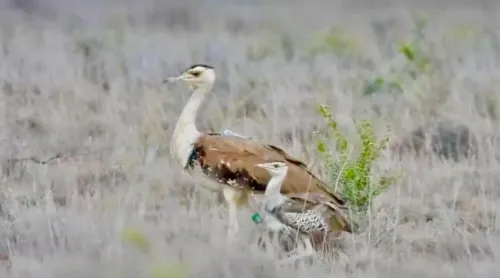
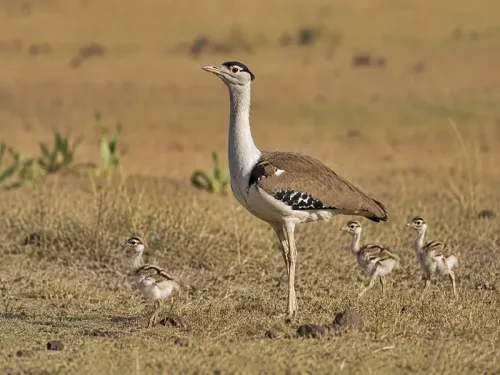
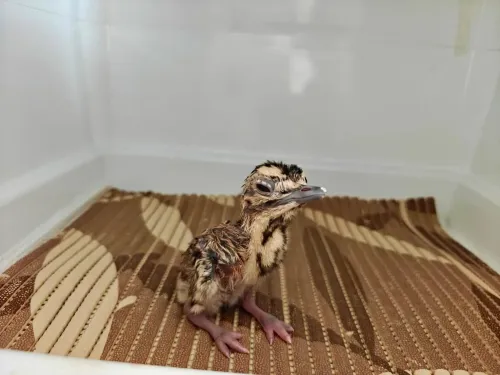
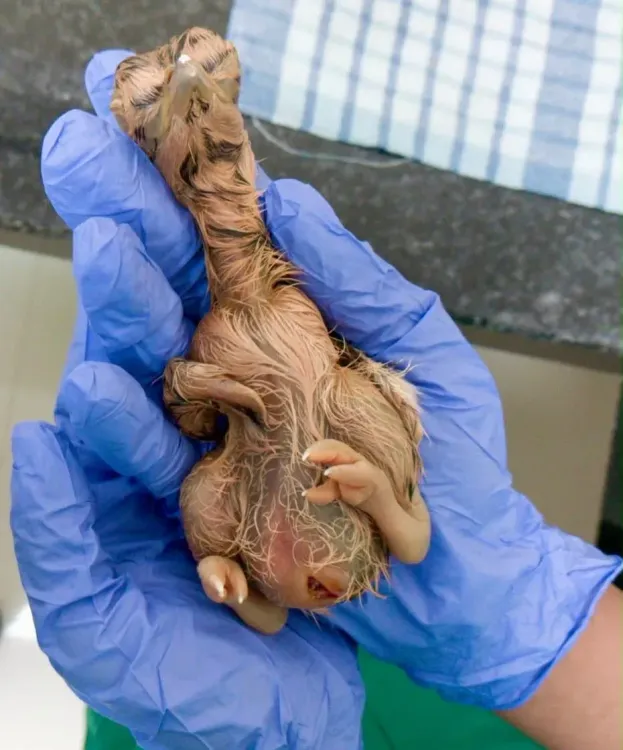
26 chicks have hatched in the programme's fourth year: 18 via artificial insemination, 4 via natural breeding, and 4 from wild-collected eggs.
Three new chicks were added in the past couple of days from one wild-collected and two captive-laid eggs.
A 'jumpstart' egg-exchange intervention has produced 3 wild-hatched chicks in Rajasthan , targeting genetic diversity and predation reduction.
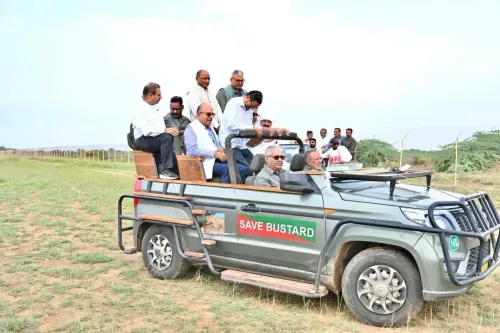
The dedicated conservation breeding centre was established around 2022 in partnership with the Rajasthan government under the Great Indian Bustard Recovery Plan .
More chicks are expected this season, with planned releases into protected Rajasthan habitats the next major milestone to watch.
Union Environment Minister Bhupender Yadav announced on Sunday, 14 June 2026 that Project GIB — India's captive breeding programme for the critically endangered Great Indian Bustard — has added three new chicks in the past couple of days, bringing the total captive stock to 94 birds.
In his post on X, the Minister detailed the cumulative progress in the programme's fourth year: 26 chicks have hatched so far, comprising 18 through artificial insemination, 4 through natural breeding, and 4 from wild-collected eggs. The three latest additions came from one wild-collected and two captive-laid eggs.
Context
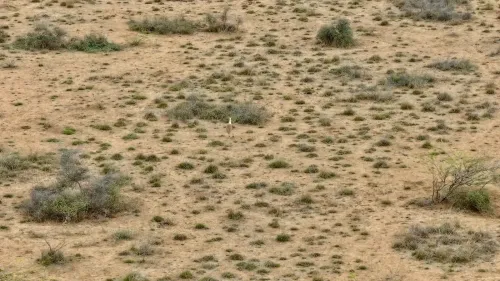
The Great Indian Bustard (GIB) is one of the world's most endangered birds, with its wild population confined largely to arid grasslands in Rajasthan. Decades of habitat loss, collision with power lines, and predation have driven numbers to critically low levels, prompting the government to intervene with an ex-situ conservation strategy.
The Ministry of Environment, Forest and Climate Change notified the Great Indian Bustard Recovery Plan under the Wildlife Protection Act in 2012. The dedicated conservation breeding centre, established around 2022 in partnership with the Rajasthan government, has since become the operational hub for the species' recovery.
Policy Backdrop
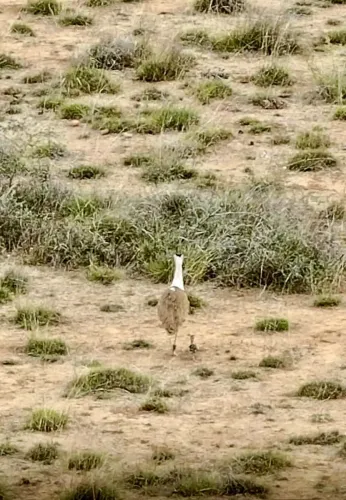
A distinctive feature of Project GIB is its 'egg exchange' or 'jumpstart' intervention: wild eggs are collected and incubated at the facility, while captive-bred chicks are simultaneously placed in wild nests to hatch under natural conditions. According to the Minister's post, 3 chicks have hatched in the wild in Rajasthan through this jumpstart method, aimed at improving founder genetic diversity and reducing predation risk.
The use of artificial insemination — accounting for 18 of the 26 chicks hatched — reflects the programme's reliance on advanced reproductive technologies to overcome the species' notoriously low natural breeding rate in captivity. This approach mirrors techniques used in global recovery efforts for other critically endangered birds.
India's GIB programme also feeds into the country's commitments under the Convention on Biological Diversity and its national species recovery targets, positioning the effort within a broader multilateral conservation framework.
Stakeholders and Impact
The programme's primary partners include the Rajasthan Forest Department, conservation biologists, and wildlife veterinarians who manage the breeding centre. Their work spans egg incubation, chick rearing, genetic record-keeping, and field monitoring of wild nests where jumpstart chicks are placed.
For local communities in Rajasthan's grassland districts, the GIB's survival is tied to the health of the same ecosystems that support pastoral livelihoods. A successful captive breeding and eventual release programme could reinforce habitat protection efforts in areas such as the Desert National Park and surrounding landscapes.
What's Next
Minister Yadav noted that more chicks are expected this season, suggesting the breeding cycle is still active as of mid-June 2026. With the captive stock now at 94 birds, conservationists and the National Board for Wildlife will be watching closely for the next milestone: planned releases of captive-bred individuals into protected wild habitats in Rajasthan.
The trajectory of Project GIB — from a fledgling facility to a stock of nearly 100 birds in four years — will be a key test of whether India's ex-situ conservation model can translate laboratory-scale success into a self-sustaining wild population for one of its most iconic grassland species.
Point of View
A pattern visible across several of India's species recovery programmes. For Minister Yadav, who represents Rajasthan in the Union Cabinet, publicising this milestone also reinforces the political salience of conservation in a state where the GIB's fate intersects with contentious debates over renewable energy infrastructure and grassland land use. The real test, however, will come when captive-bred birds are released into the wild and their survival rates are assessed against the pressures that originally drove the species to the brink.
NationPress
15 Sept 2026
Frequently Asked Questions
What is Project GIB and why is it important?
Project GIB is India's captive breeding and recovery programme for the Great Indian Bustard, one of the world's most endangered birds. Run by the Union Ministry of Environment in partnership with Rajasthan, it uses artificial insemination, natural breeding, and wild-egg collection to build a captive population and eventually reintroduce birds into protected grassland habitats.
How many Great Indian Bustard chicks have hatched under Project GIB?
As of June 2026 , 26 chicks have hatched in the programme's fourth year: 18 through artificial insemination, 4 through natural breeding, and 4 from wild-collected eggs, according to Union Environment Minister Bhupender Yadav.
What is the 'jumpstart' intervention in the Great Indian Bustard programme?
The jumpstart intervention involves collecting eggs from wild GIB nests and incubating them at the captive breeding centre, while simultaneously placing captive-bred chicks in wild nests in Rajasthan. The method aims to improve genetic diversity among founder birds and reduce predation risk for hatchlings.
Where is the Great Indian Bustard captive breeding centre located?
The dedicated conservation breeding centre for the Great Indian Bustard is located in Rajasthan , the state that holds the main remaining wild habitat for the species, including the Desert National Park area.
How many Great Indian Bustards are left in India?
The wild population of the Great Indian Bustard is critically low and largely confined to arid grasslands in Rajasthan, with estimates consistently placing the number in the low hundreds. The captive stock under Project GIB has now grown to 94 birds as of June 2026, according to Minister Yadav's announcement.