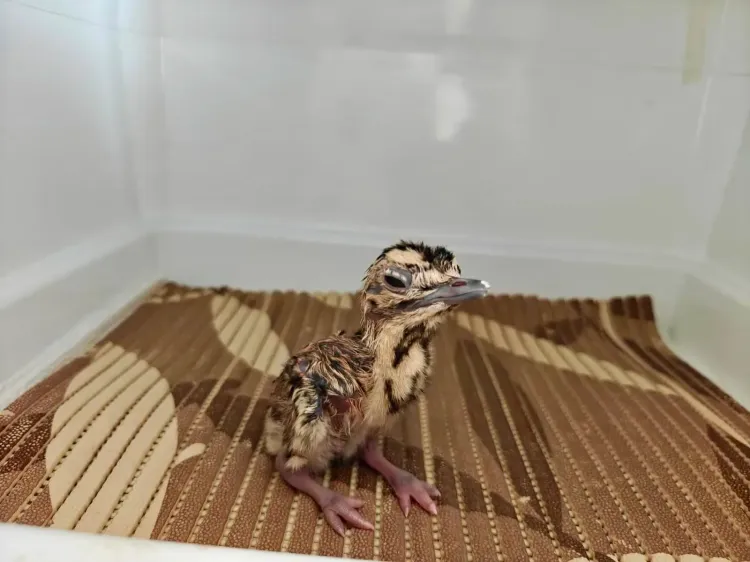
Project Great Indian Bustard adds 3 chicks, captive stock reaches 94 birds
Synopsis
India's most ambitious bird conservation effort just crossed a quiet but significant threshold — 94 Great Indian Bustards now in captive stock, with 26 chicks hatched this season alone and soft releases into the wild on the horizon. For a species with fewer than 150 individuals left in the wild, each hatchling is a measurable step back from extinction.
Key Takeaways
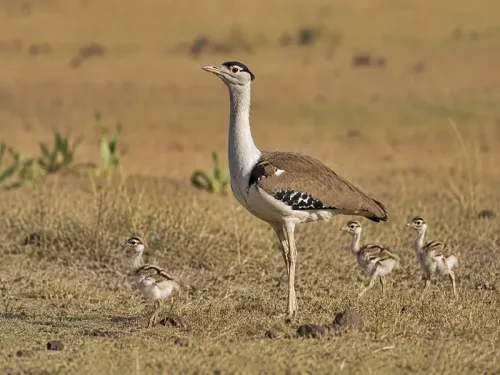
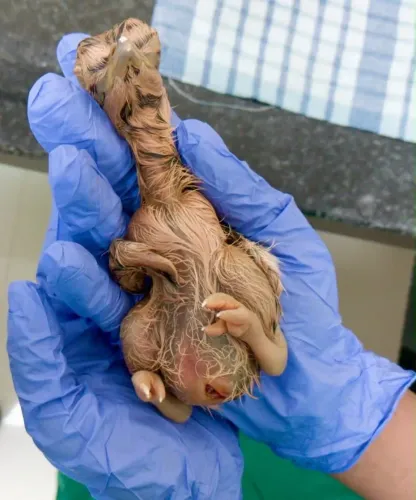
Project Great Indian Bustard (GIB) added 3 new chicks to its conservation breeding programme on 14 June , bringing the season total to 26 chicks .
The captive stock has grown to 94 birds , with more hatchings expected this season.
Of the 26 chicks, 18 were born via artificial insemination, 4 through natural breeding, and 4 from wild-collected eggs.
3 chicks hatched in the wild in Rajasthan through jumpstart intervention to boost genetic diversity and cut predation risk.
Some captive-bred chicks are set to be soft released into the wild — a first for the programme.
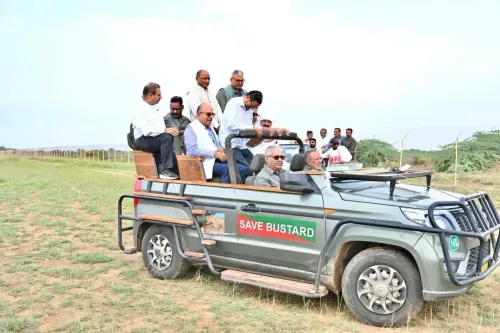
Union Minister for Environment, Forest and Climate Change Bhupender Yadav on Sunday, 14 June announced that Project Great Indian Bustard (GIB) has added three more chicks to its conservation breeding programme over the past couple of days, bringing the total number of chicks hatched in the fourth year of captive breeding to 26. The captive stock has now grown to 94 birds, according to an official statement.
Latest Hatchings and Breeding Breakdown
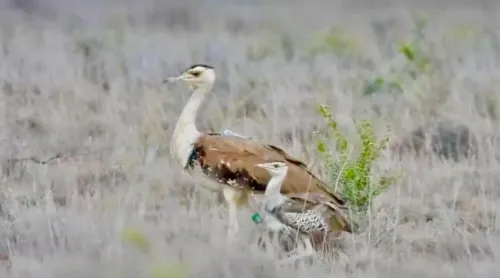
The three newest chicks emerged from one wild-collected egg and two captive-laid eggs, Yadav said. Of the 26 chicks hatched so far this season, 18 were produced through artificial insemination, four through natural breeding, and four from wild-collected eggs. The programme has demonstrated a multi-pronged reproductive strategy to accelerate population recovery of one of India's most critically endangered birds.
Wild Jumpstart Intervention in Rajasthan
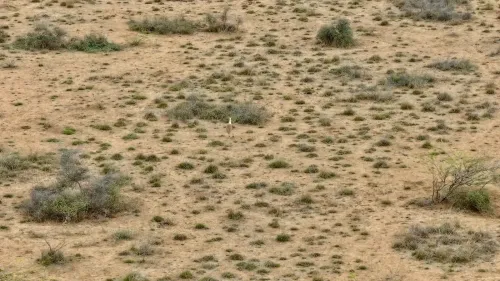
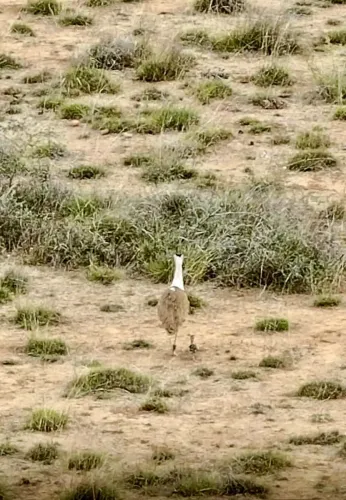
Notably, in exchange for the wild eggs collected for captive breeding, three chicks have hatched in the wild in Rajasthan through a jumpstart intervention aimed at improving founder genetic diversity and reducing predation risk. This approach — exchanging wild eggs for captive-hatched birds released back into natural habitat — is considered a key tool in preventing inbreeding and bolstering the wild population's long-term viability.
Programme Milestones and Soft Release Plans
The Conservation Breeding Centre in Rajasthan marked the start of the fourth year of the programme in mid-March, when two chicks hatched — one from natural mating and one from artificial insemination. Looking ahead, officials have indicated that some of this season's captive-bred chicks will be soft released into the wild, a significant and challenging next step for the project. More chicks are expected before the season closes.
Conservation Context
The Great Indian Bustard, listed as Critically Endangered on the IUCN Red List, once ranged across much of the Indian subcontinent but has declined sharply due to habitat loss, hunting, and collision with power lines. Estimates suggest fewer than 150 individuals survive in the wild today, with the largest population concentrated in Rajasthan. Project GIB, a government-led initiative, represents one of the most intensive avian conservation efforts currently underway in India. Yadav shared the latest update on social media platform X, calling it another milestone under the project and crediting forest officials of the Rajasthan Forest Department for their role in the achievement.
Point of View
But the harder test lies ahead. Reaching 94 captive birds is a controlled-environment achievement; soft releasing chicks into a landscape still laced with overhead power lines — the leading cause of GIB mortality — is where the project's real credibility will be established. The wild jumpstart intervention, exchanging eggs to improve founder diversity, shows scientific sophistication, but with fewer than 150 birds estimated in the wild, the margin for error remains razor-thin. The programme needs a published soft-release protocol and post-release survival data to move from milestone announcements to verifiable conservation outcomes.
NationPress
19 Sept 2026
Frequently Asked Questions
What is Project Great Indian Bustard (GIB)?
Project GIB is a government-led conservation initiative to save the Critically Endangered Great Indian Bustard through captive breeding, artificial insemination, and wild population support. The programme operates primarily through a Conservation Breeding Centre in Rajasthan and is now in its fourth year.
How many Great Indian Bustard chicks have hatched in 2025?
A total of 26 chicks have hatched in the fourth year of the captive breeding programme as of 14 June, including 18 through artificial insemination, 4 through natural breeding, and 4 from wild-collected eggs. Three more chicks were added in the last couple of days alone.
What is the current captive population of the Great Indian Bustard?
The captive stock now stands at 94 birds, according to an official statement released on 14 June. More chicks are expected before the current breeding season concludes.
What is a 'soft release' in the context of Project GIB?
A soft release involves gradually introducing captive-bred birds into the wild under controlled conditions, rather than an abrupt release. Officials have indicated that some of this season's chicks will be soft released — marking a significant new phase for the project.
Why is the Great Indian Bustard endangered?
The Great Indian Bustard is listed as Critically Endangered on the IUCN Red List, with fewer than 150 individuals estimated to survive in the wild. Key threats include habitat loss, historical hunting, and collision with overhead power lines, which remain a leading cause of mortality.