Great Indian Bustards released in Rajasthan: Yadav hails decade-long scientific effort
Synopsis
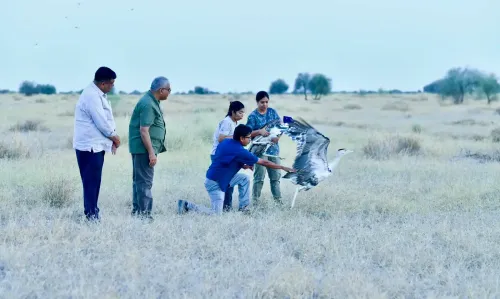
Two male Great Indian Bustards — among fewer than 150 left in the wild — were released into Sam Desert National Park in Jaisalmer on 4 October, the culmination of nearly a decade of captive breeding. Environment Minister Bhupender Yadav, visibly moved by the scientists' emotional response, called it a landmark moment; the reintroduction data will now shape the next phase of India's GIB recovery programme.
Key Takeaways
Environment Minister Bhupender Yadav released two male Great Indian Bustards at Sam Desert National Park, Jaisalmer on 4 October 2026 .
Scientists Dr Sutirtha Dutta , Dr Tushna Karkariya , and Hrishika Sharma were praised by the minister for their selfless commitment to the conservation programme.
The release is described as the result of nearly a decade-long captive breeding and conservation effort by researchers and ground staff.
Wild GIB populations have fallen to fewer than 150 individuals , making the species critically endangered.
Scientific learnings from this reintroduction will be used to refine future release protocols and scale up the recovery programme.
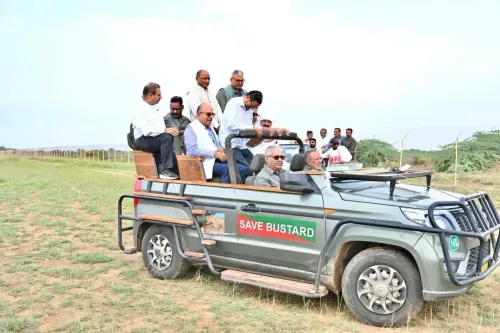
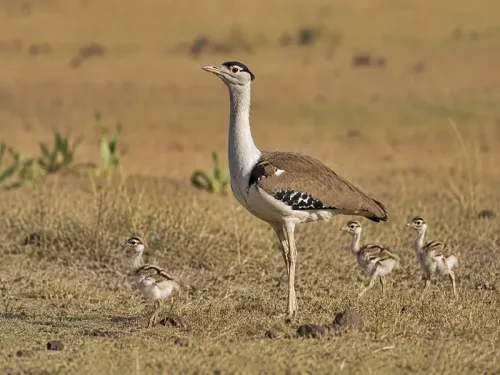
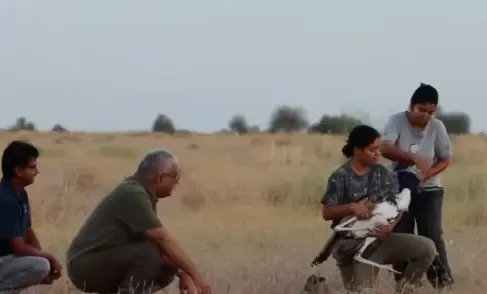
Union Minister for Environment, Forest and Climate Change Bhupender Yadav on 4 October 2026 released two male Great Indian Bustards (GIB) into the wild at Sam Desert National Park in Jaisalmer, Rajasthan, marking a significant milestone in India's ongoing programme to save one of its most critically endangered bird species. The minister praised the scientists and researchers behind the effort as an emotional moment unfolded at the release site.
The Release and What It Means
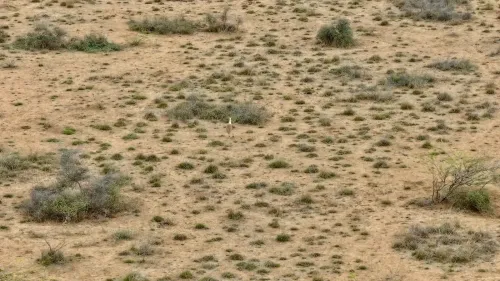
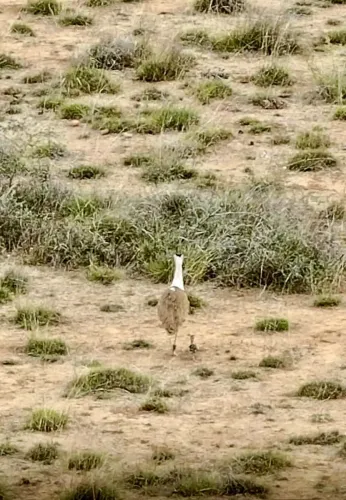
The two male bustards were freed at Sam Desert National Park — a habitat historically central to the species' range. The Ministry of Environment, Forest and Climate Change described the release as 'the next critical step in the species recovery programme,' adding that it would generate 'important scientific learnings for progressively developing and refining protocols for reintroduction of captive-bred birds into their natural habitat.'
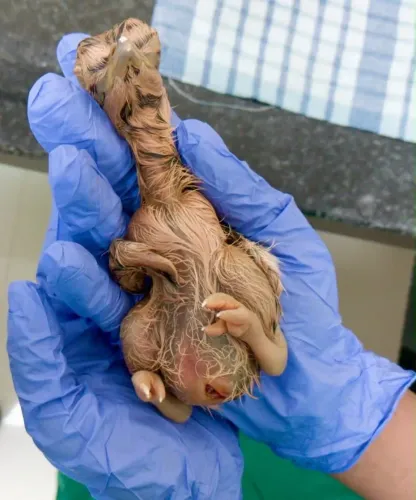
The ministry noted that the programme has involved years of captive breeding and conservation work aimed at improving the long-term survival prospects of the GIB and eventually returning captive-bred birds to their native desert landscape.
Scientists Draw the Minister's Praise
Witnessing the release, Yadav was visibly moved by the emotional response of the scientists on the ground. In a post on social media platform X, the minister wrote: 'As they released the Great Indian Bustards into the wild in Rajasthan's Sam, Desert National Park, saw Dr Sutirtha Dutta, Dr Tushna Karkariya, and Hrishika Sharma got all emotional. One can only imagine how some dedicate their entire lives to selfless causes.'
He added: 'No words of praise are enough for them and the entire team that has made it possible.' The minister also acknowledged the role of Prime Minister Narendra Modi, thanking him for 'continued guidance, encouragement and constant support in ensuring our scientific community can work for the conservation of all our species, including the GIB.'
A Decade in the Making
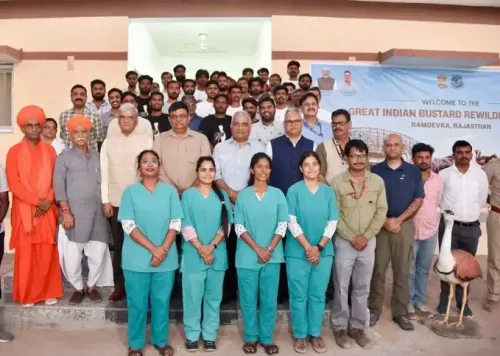
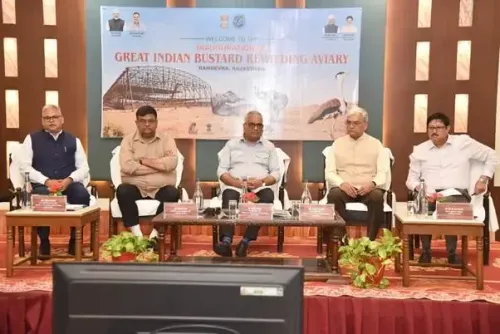
The release follows nearly a decade of sustained effort by researchers, ground staff, and conservation scientists. Yadav had visited the breeding facility at Ramdevra the previous day, where he lauded young researchers working on the species' conservation. In a post on X, he described the release as 'a landmark success' made possible by 'the nearly decade-long unwavering dedication of our scientists, researchers and ground staff who have spent years to ensure GIB reclaims the deserts of Rajasthan.'
Why the Great Indian Bustard Matters
The Great Indian Bustard is among India's most critically endangered birds, with wild populations estimated to have fallen to fewer than 150 individuals in recent years, according to wildlife surveys. Habitat loss, power line collisions, and hunting have driven the steep decline. The species is listed under Schedule I of the Wildlife Protection Act, affording it the highest level of legal protection. Reintroduction of captive-bred individuals, if successful, could offer a lifeline to wild populations in the Thar Desert ecosystem.
What Comes Next
The ministry indicated that learnings from this reintroduction will be used to refine future release protocols, with the broader aim of progressively scaling up returns of captive-bred birds to the wild. Conservation groups and ornithologists will closely monitor the released birds to assess survival, movement, and adaptation, which will inform the next phase of the recovery programme.
Point of View
But the harder work begins now. With wild populations below 150 birds, two individuals do not move the needle on their own — what matters is whether the monitoring data translates into a credible, scalable reintroduction protocol. The programme has also not publicly resolved the power line collision threat, which wildlife groups cite as the single largest driver of adult GIB mortality in Rajasthan. Until overhead transmission lines in core GIB habitat are undergrounded or rerouted — a policy battle that has dragged on in the Supreme Court — reintroduction efforts risk returning birds to the same hazards that decimated the original population.
NationPress
4 Oct 2026
Frequently Asked Questions
What happened at Sam Desert National Park on 4 October 2026?
Environment Minister Bhupender Yadav released two male Great Indian Bustards into the wild at Sam Desert National Park in Jaisalmer, Rajasthan, on 4 October 2026. The release is a milestone in India's captive breeding and species recovery programme for the critically endangered bird.
Who are the scientists praised by Minister Bhupender Yadav?
Yadav praised Dr Sutirtha Dutta, Dr Tushna Karkariya, and Hrishika Sharma, who became emotional during the release of the bustards. The minister said 'no words of praise are enough' for them and the broader team behind the decade-long programme.
Why is the Great Indian Bustard so endangered?
The Great Indian Bustard is critically endangered, with wild populations estimated below 150 individuals. Habitat loss, collisions with power lines, and historical hunting have driven the steep decline; the species is listed under Schedule I of India's Wildlife Protection Act, the highest level of legal protection.
What is the significance of releasing captive-bred Great Indian Bustards?
The release represents the next critical step in the species recovery programme, according to the Ministry of Environment. It is expected to generate scientific learnings for refining reintroduction protocols, with the aim of progressively scaling up returns of captive-bred birds to their natural desert habitat in Rajasthan.
What happens after the release?
Conservation scientists and ornithologists will monitor the released birds for survival, movement, and adaptation. The data gathered will be used to develop and refine future reintroduction protocols, informing the broader plan to restore GIB populations in the Thar Desert ecosystem.