Gujarat CM Bhupendra Patel reviews Dahod lake, meets fishermen on tribal tour
Synopsis
Gujarat Chief Minister Bhupendra Patel wrapped up a three-day tribal immersion in Dahod on Friday — reviewing lake water storage, sharing a meal at a tribal home, planting saplings and holding grassroots conversations with fishermen, farmers and Self-Help Group women. The tour underscores the BJP government's sustained political outreach into Gujarat's tribal belt.
Key Takeaways
Gujarat CM Bhupendra Patel visited Thakkarbapa Lake in Garbada taluka, Dahod on 20 November 2026 to review water storage and distribution arrangements.
Patel interacted with local fishermen on livelihoods, income, business prospects and children's education.
He planted a banyan sapling at Neer Vatika , Patadungari, emphasising environmental conservation.
The Chief Minister made an unscheduled visit to farmer Bakulbhai Vakhal's home in Pipargota village and reviewed a Nand Ghar-Anganwadi Centre .
Patel shared a traditional tribal meal with the Rathod family in Bhamatalai Faliya, Garbada, and visited Self-Help Group stalls run by tribal women.
The three-day Dahod tour covered water, agriculture, livelihoods, education and welfare scheme implementation in the tribal district.
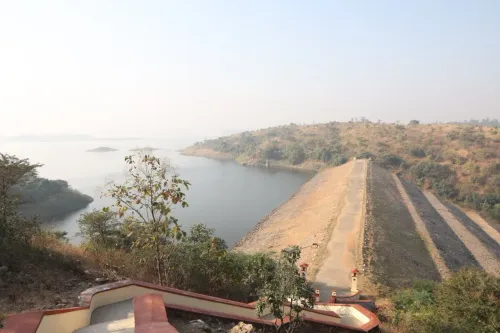
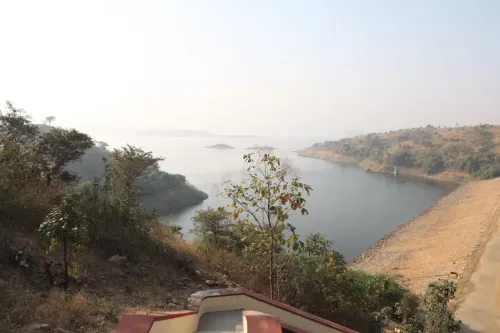
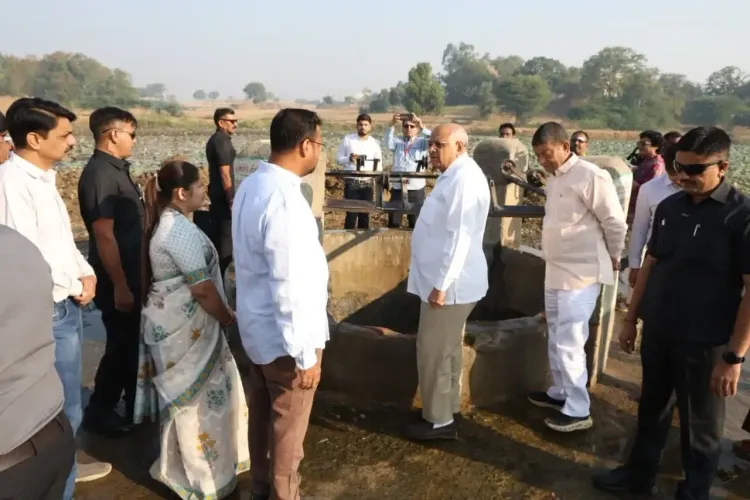
Gujarat Chief Minister Bhupendra Patel on Friday, 20 November 2026, visited Thakkarbapa Lake at Patadungari in Garbada taluka of Dahod district to review its water storage capacity and distribution arrangements, and held direct conversations with local fishermen about their livelihoods, income and employment prospects. The visit marked the third and final day of Patel's three-day tour of the tribal district.
Lake Review and Fishermen Interaction
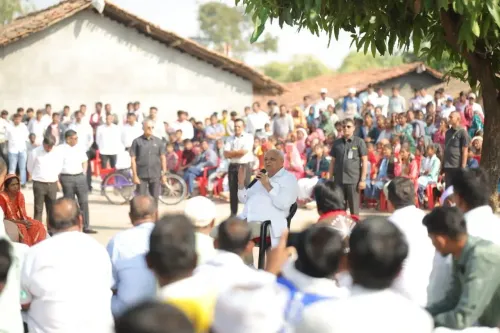
At Thakkarbapa Lake, Patel sought detailed information on the lake's geographical area, available water reserves and the systems in place for distributing water to surrounding communities. He then engaged with fishermen working at the lake, discussing their daily routines, fishing-based livelihoods, business prospects and the education of their children. The Chief Minister also planted a banyan sapling at Neer Vatika in Patadungari, underlining the administration's emphasis on environmental conservation and expanding green cover in the region.
District-Level Review and Community Outreach
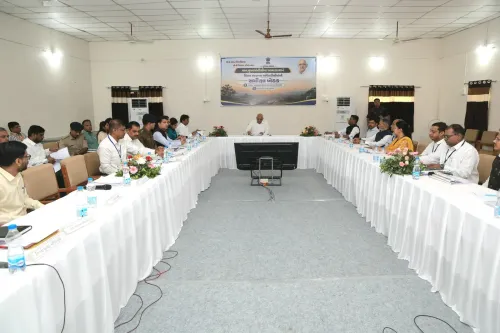
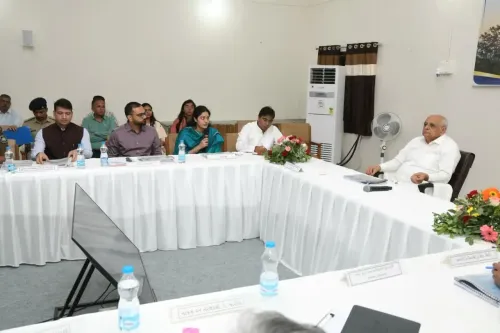
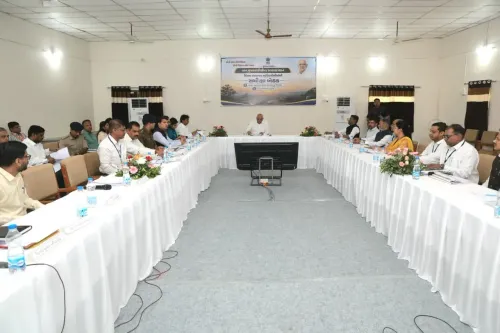
On Thursday, Patel chaired a review meeting with district officials at the Forest Department hall in the Ratanmahal Project area of Dhanpur taluka, assessing ongoing development works and discussing future plans. He subsequently visited the Garbada Taluka Panchayat office, where he heard representations from residents and directed officials to take prompt action. During these interactions, Patel stated that welfare schemes, development projects and basic amenities were reaching remote tribal areas under the guidance of Prime Minister Narendra Modi. He also highlighted progress in education, healthcare and women's empowerment across tribal regions.
Unscheduled Stops and Household Visits
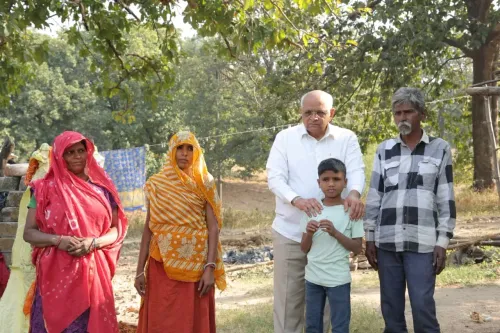
Patel made an unscheduled stop at Pipargota village, visiting the home of farmer Bakulbhai Vakhal to enquire about his family's livelihood, maize cultivation and children's education. He also reviewed the village's Nand Ghar-Anganwadi Centre, examining nutritional arrangements and interacting with children and Anganwadi workers. At Bhuvero village in Dhanpur taluka, Patel visited the ancient Baba Dev shrine in the Ratanmahal forests, offered prayers and spoke with villagers. He inspected stalls run by women from Self-Help Groups, displaying natural farming produce, traditional baskets, herbal soaps and other locally made products.
Traditional Meal and Cultural Connect
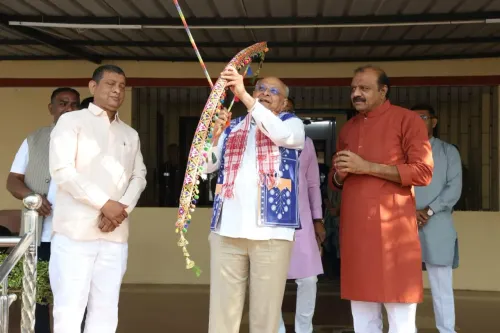
In Garbada, the Chief Minister visited the residence of Jaswantsinh Rathod in Bhamatalai Faliya, where he was welcomed by the family's young daughter, Pahal. He listened to tribal devotional songs and shared a traditional meal comprising makai, urad dal, roti and chana bhaji with the family — a gesture seen as an effort to build personal rapport with tribal communities.
Significance of the Three-Day Tour
The three-day itinerary covered reviews of government development works, visits to local institutions and direct interactions with tribal residents on issues spanning water, agriculture, livelihoods, education and basic amenities. Notably, Dahod is among Gujarat's most significant tribal districts, and such sustained field visits by a sitting Chief Minister are relatively infrequent. The tour signals continued administrative focus on the state's tribal belt ahead of ongoing implementation of central and state welfare schemes. How the insights gathered translate into policy follow-through will be closely watched by district officials and tribal advocacy groups alike.
Point of View
Visiting shrines and reviewing small water bodies — is an unusually sustained piece of constituency outreach, particularly in a district like Dahod that carries significant electoral weight in Gujarat's tribal belt. The symbolic gestures are well-crafted, but the tour's real value will be measured by whether the representations heard at the Taluka Panchayat office translate into administrative action. Gujarat's tribal districts have historically lagged on key human development indicators despite successive government schemes, and field reviews alone rarely move those needles. The question is whether this visit generates a verifiable follow-up mechanism or remains a well-documented photo opportunity.
NationPress
20 Nov 2026
Frequently Asked Questions
Why did Gujarat CM Bhupendra Patel visit Dahod district?
Chief Minister Bhupendra Patel conducted a three-day tour of Dahod, a tribal district, to review ongoing development works, assess water storage at Thakkarbapa Lake and directly interact with tribal communities on issues of livelihoods, agriculture and welfare scheme delivery. The tour concluded on 20 November 2026.
What did CM Patel review at Thakkarbapa Lake?
At Thakkarbapa Lake in Patadungari, Garbada taluka, Patel reviewed the lake's geographical area, water storage capacity, available reserves and the arrangements for distributing water to surrounding areas. He also spoke with fishermen at the lake about their livelihoods and income.
What activities were covered during the three-day Dahod tour?
The tour included a district-level review meeting with officials at the Ratanmahal Project area, a Taluka Panchayat grievance session, unscheduled household visits, a review of an Anganwadi centre, visits to Self-Help Group stalls, a stop at the Baba Dev shrine and a traditional meal with a tribal family in Garbada.
Who are the tribal communities Patel interacted with?
Patel met fishermen at Thakkarbapa Lake, farmer Bakulbhai Vakhal and his family at Pipargota village, Anganwadi workers and children, women running Self-Help Group stalls with natural farming and handicraft produce, and the Rathod family in Bhamatalai Faliya, Garbada.
What is the significance of Dahod for Gujarat's tribal belt?
Dahod is one of Gujarat's most prominent tribal districts, home to a significant Scheduled Tribe population and several government welfare and development programmes. It carries considerable electoral and administrative importance, making Chief Ministerial visits a signal of policy priority for the region.