Gujarat declares 4 districts drought-hit, offers ₹8,500/hectare crop aid and 150-day jobs
Synopsis
Gujarat has declared four districts — Devbhumi Dwarka, Porbandar, Kutch, and Jamnagar — drought-affected despite the state recording 89% of average rainfall. The relief package combines ₹8,500/hectare crop aid, ₹80/animal/day livestock support, 1.21 crore kg of subsidised fodder already distributed, and a 150-day rural employment guarantee — a targeted response to a geographically concentrated agricultural crisis in the Saurashtra-Kutch belt.
Key Takeaways
Gujarat declared Devbhumi Dwarka , Porbandar , Kutch , and Jamnagar drought-affected on 26 October 2026 ; relief effective from 1 November 2026 .
Farmers in affected districts will receive ₹8,500 per hectare under SDRF norms, capped at two hectares .
Livestock owners at animal camps will get ₹80 per animal per day for two months , with the state bearing costs beyond that period.
Approximately 1.21 crore kg of fodder distributed at ₹2 per kg ; 3 crore kg currently in reserve.
150 days of rural employment guaranteed under the VB-G RAM G scheme in drought-hit talukas.
Gujarat's 206 major dams are at 66 per cent capacity; irrigation planned for 76 dam command areas in the upcoming rabi season.
The Gujarat government on 26 October 2026 declared Devbhumi Dwarka, Porbandar, Kutch, and Jamnagar districts drought-affected following deficient and delayed rainfall, triggering a relief package that includes crop damage assistance, subsidised fodder, and 150 days of guaranteed rural employment. The measures will come into effect from 1 November 2026.
Key Developments
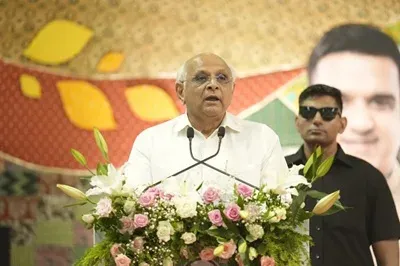
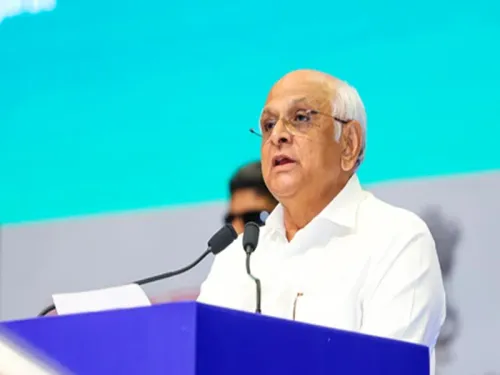
Chief Minister Bhupendra Patel announced the decision at Gandhinagar in the presence of Agriculture Minister Jitu Vaghani. He said the government had completed all required procedures under the Central government's Drought Assessment Manual, 2016, and conducted high-level consultations before formally declaring the four districts drought-affected.
Although Gujarat received approximately 89 per cent of its average annual rainfall this year, the four districts recorded significantly lower levels, prompting targeted intervention for farmers and livestock breeders in those areas.
Crop and Livestock Assistance
Under the crop aid package, farmers in the affected districts will receive ₹8,500 per hectare under State Disaster Response Fund (SDRF) norms, capped at a maximum of two hectares per farmer. For livestock, the government will provide ₹80 per animal per day from the SDRF for two months for cattle kept at animal camps in the drought-declared talukas. Chief Minister Patel stated that the state government will bear the cost of continuing this assistance beyond the initial two months.
On fodder, the government has authorised subsidised distribution across Gujarat from June to July 2026, with district collectors empowered to facilitate distribution in specific cases. So far, approximately 1.21 crore kg of fodder has been distributed at ₹2 per kg. The state currently holds 3 crore kg of fodder in reserve, and procurement of additional stocks has begun.
Rural Employment Under VB-G RAM G Scheme
The government has committed to providing 150 days of employment in drought-affected talukas under the VB-G RAM G (Viksit Bharat – Guarantee for Rozgar and Ajeevika Mission (Gramin)) scheme, designed to support rural livelihoods disrupted by crop failure.
Chief Minister Patel said the government had 'anticipated the difficulties arising from delayed rainfall and initiated advance preparations before formally declaring the districts drought-affected.' He added that the administration has 'stood by farmers during difficult times in the past' and remains 'fully committed to providing whatever assistance farmers and livestock breeders may need in any future crisis.'
Irrigation and Water Supply Planning
The government has also outlined its irrigation strategy for the upcoming rabi season. During the current kharif season, irrigation water was supplied to the command areas of 44 dams based on demand. The state's 206 major dams currently hold water at 66 per cent of their total capacity.
For the rabi season, irrigation has been planned for the command areas of 76 dams, spanning North Gujarat (11 dams, including Dharoi and Dantiwada), Central Gujarat (12 dams, including Karjan and Panam), South Gujarat (nine dams, including Ukai, Kakrapar, and Damanganga), and the Kutch region (five dams). An additional 39 dams — including Shetrunji, Brahmani, and Machhu — are also part of the plan.
Drinking water supply has been prioritised, with reserves earmarked for this purpose until 30 June 2027. Depending on water availability, the government plans to provide between one and four irrigation cycles from the identified dams during the rabi season.
What This Means for Affected Districts
This is a significant policy response for a state where agriculture and pastoralism remain central to rural livelihoods in the Saurashtra-Kutch belt. The four districts — particularly Kutch and Devbhumi Dwarka — are historically vulnerable to erratic monsoon patterns. Notably, Gujarat's overall rainfall was near-normal at 89 per cent, making this a geographically concentrated distress rather than a state-wide drought, which shapes the targeted nature of the relief. The relief announcement comes amid broader concerns about rabi crop sowing timelines and water availability for the dry-season crop cycle. How quickly the SDRF disbursements reach farmers and whether the employment scheme achieves its 150-day commitment will be closely watched by agricultural welfare groups in the region.
Point of View
And the government's response was delayed until formal procedures under the 2016 Drought Assessment Manual were completed. The relief package is comprehensive on paper, but the SDRF two-hectare cap will exclude larger landholdings from full compensation, while the 150-day employment guarantee under VB-G RAM G will test an untried scheme's implementation capacity under crisis conditions. The real measure of this intervention will be speed of disbursement — historically, SDRF transfers to individual farmers in Gujarat have faced last-mile delays. With rabi sowing timelines already under pressure, the window for effective relief is narrow.
NationPress
26 Oct 2026
Frequently Asked Questions
Which districts has Gujarat declared drought-affected in 2026?
Gujarat declared Devbhumi Dwarka, Porbandar, Kutch, and Jamnagar drought-affected on 26 October 2026, effective from 1 November 2026. The decision followed deficient and delayed rainfall in these four districts despite the state receiving about 89 per cent of its average annual rainfall overall.
What crop damage assistance will farmers receive in Gujarat's drought-hit districts?
Farmers in the four affected districts will receive ₹8,500 per hectare under State Disaster Response Fund (SDRF) norms, subject to a maximum limit of two hectares. This means the maximum payout per farmer under the crop aid package is ₹17,000.
What is the VB-G RAM G scheme announced for drought-affected talukas?
The VB-G RAM G — Viksit Bharat – Guarantee for Rozgar and Ajeevika Mission (Gramin) — is a rural employment scheme under which the Gujarat government will provide 150 days of work to residents in drought-affected talukas. It is designed to support rural livelihoods disrupted by crop failure and deficient rainfall.
How is Gujarat supporting livestock breeders in drought-affected areas?
The government will provide ₹80 per animal per day from the SDRF for two months for livestock maintained at animal camps in drought-declared talukas. Chief Minister Bhupendra Patel stated that the state will bear the cost of continuing this support beyond the initial two-month period.
What is Gujarat's water and irrigation outlook for the rabi season?
Gujarat's 206 major dams are currently at 66 per cent of their total water storage capacity. Irrigation for the rabi season has been planned for the command areas of 76 dams across North, Central, South Gujarat, and the Kutch region, with drinking water supplies prioritised and reserved until 30 June 2027.