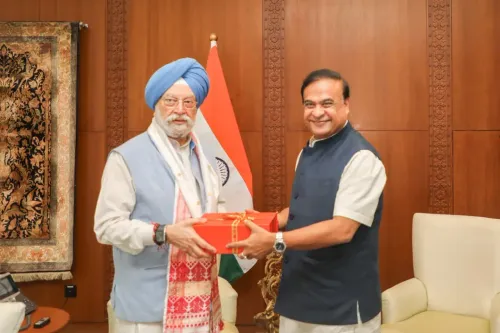
CM Himanta flags off agarwood chip export from Guwahati to Dubai
Synopsis
Chief Minister Himanta Biswa Sarma flagged off the export of agarwood chips from Guwahati to Dubai on 26 October 2026, opening a regulated trade corridor for one of Assam's most prized forest products and marking a step forward in the Northeast's high-value export push.
Key Takeaways
CM Himanta Biswa Sarma presided over the flag-off ceremony in Guwahati on 26 October 2026 .
The first consignment of agarwood chips from Assam is destined for Dubai , a global hub for luxury fragrance trade.
Agarwood trade is regulated under CITES , requiring strict export documentation and licensing.
Key growing districts in Assam include Golaghat and Jorhat , where both natural and cultivated agarwood plantations exist.
The shipment fits Assam's broader strategy of pursuing high-value, low-volume exports suited to the logistics realities of the Northeast.
Volume and regularity of follow-on shipments will determine whether this becomes a lasting trade corridor or a one-off milestone.
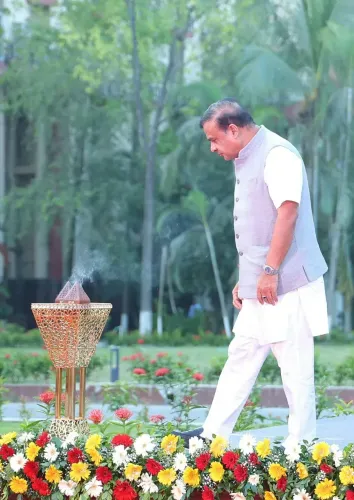
Assam's prized forest gold is heading to the Gulf. Chief Minister Dr Himanta Biswa Sarma addressed the media on Monday, 26 October 2026, at a flag-off ceremony in Guwahati marking the export of agarwood chips from the state to Dubai — a milestone that signals Assam's push to turn a centuries-old forest resource into a modern trade engine.
Agarwood's journey from Assam's forests to Gulf perfumeries
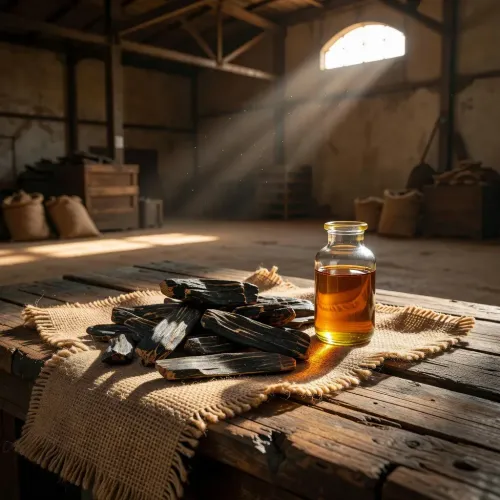
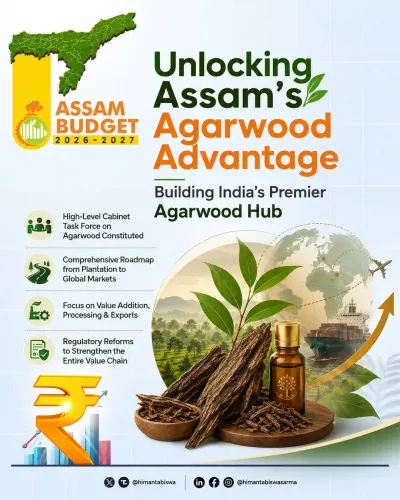
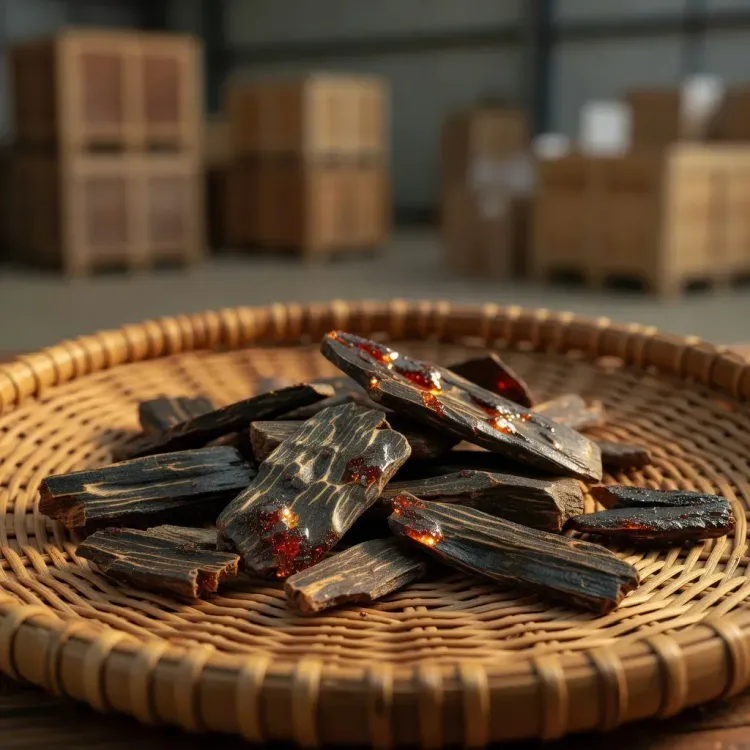
Agarwood — derived from the Aquilaria tree and prized across the Middle East and Southeast Asia for its use in luxury perfumery and incense — is among the world's most expensive natural materials by weight. Assam, particularly districts such as Golaghat and Jorhat, has long been home to natural and cultivated agarwood plantations. The state has in recent years worked to formalise legal trade channels, given that the species is regulated under the Convention on International Trade in Endangered Species (CITES), requiring strict documentation and licensing for every shipment.
Dubai's role as a global re-export hub for luxury fragrance ingredients makes it a natural first destination. A successful shipment through Guwahati establishes a live trade corridor and demonstrates that regulatory compliance — often the tallest hurdle for niche forest-product exporters — can be navigated at scale.
Northeast India's high-value, low-volume export strategy
The flag-off fits a deliberate pattern in Assam's economic outreach under CM Sarma, who has championed the Northeast's integration into national and international supply chains since taking office in 2021. Agarwood chips are a textbook 'high-value, low-volume' export — a category well-suited to a landlocked region where freight logistics remain a constraint. Rather than competing on bulk commodities, Assam bets on products where a kilogram can command a premium that offsets distance costs.
Cultivators and licensed exporters in the state stand to benefit most directly, but the wider signal is to investors and trading partners: Assam's commercial capital Guwahati is capable of originating bonded, documented export consignments to international markets.
What comes next for the agarwood trade corridor
The key variables to watch are the volume and regularity of follow-on shipments, the pace at which CITES export permits are processed, and whether the state expands the trade to additional Gulf or Southeast Asian destinations. A single flag-off ceremony is a headline; a quarterly export schedule would be a supply chain.
If the corridor proves commercially viable, it could encourage greater private investment in agarwood cultivation across the Northeast — turning a fragrant forest product into one of the region's more durable economic stories.
Point of View
Which has historically been stalled by regulatory complexity and logistics gaps. CM Sarma's decision to headline the event personally signals that agarwood is being positioned as a flagship product in Assam's economic diplomacy with Gulf markets. If the corridor holds, it could accelerate private investment in agarwood cultivation and nudge other northeastern states to pursue similar high-value forest-product exports. The real test, however, is institutionalisation: whether this becomes a quarterly rhythm or fades after the inaugural fanfare.
NationPress
26 Oct 2026
Frequently Asked Questions
What is agarwood and why is it valuable?
Agarwood is a resin-infused wood produced by Aquilaria trees when infected by a specific mould. It is one of the world's most expensive natural materials, prized in the Middle East and Asia for luxury perfumes and incense, sometimes fetching thousands of dollars per kilogram.
Why is agarwood export regulated by CITES?
Wild Aquilaria trees have been heavily harvested due to high demand, pushing the species toward endangerment. CITES (Convention on International Trade in Endangered Species) regulates agarwood trade to ensure shipments come from legal, sustainably managed sources.
Where in Assam is agarwood grown?
Assam's agarwood cultivation is concentrated in districts such as Golaghat and Jorhat in the state's upper and central regions, where both natural forests and cultivated plantations produce the resin-rich wood.
Why was Dubai chosen as the destination for Assam's agarwood export?
Dubai is a global re-export hub for luxury fragrance ingredients and a major consumer market for agarwood-based oud perfumes. Its trade infrastructure and demand from Gulf buyers make it a natural first destination for Indian agarwood exporters.
What is CM Himanta Biswa Sarma's role in Assam's export push?
Himanta Biswa Sarma has served as Chief Minister of Assam since 2021 and has actively promoted the state's integration into national and international supply chains, including facilitating legal trade in high-value forest products such as agarwood.