Will Slaughterhouses in Gujarat Close Tomorrow?
Synopsis
Gujarat's slaughterhouses are set to close on January 22 to commemorate the two-year anniversary of the Ram Temple's consecration in Ayodhya. This significant closure highlights the cow's revered status in Indian culture and its impact on the agrarian economy. Explore the implications of this decision on local livelihoods and cultural sentiment.
Key Takeaways
The closure of slaughterhouses is a significant religious observance.
The Ram Temple holds cultural and historical importance in India.
Cows are central to Hindu traditions and India's agrarian economy.
The Supreme Court's ruling in 2019 paved the way for the Ram Temple's construction.
The temple's consecration marks a pivotal moment in contemporary Indian history.
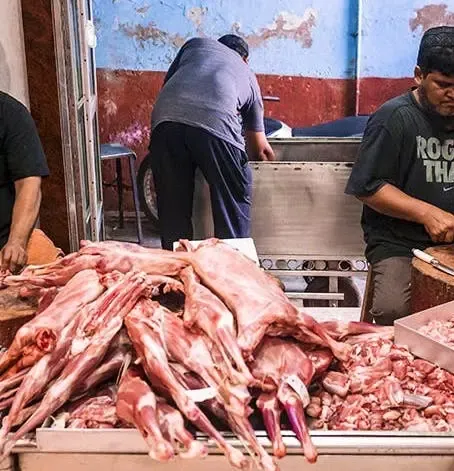
Ahmedabad, Jan 21 (NationPress) Slaughterhouses throughout Gujarat will be closed on January 22 in observance of the two-year anniversary of the consecration of the Ram Temple in Ayodhya, Uttar Pradesh, as announced by the state government on Wednesday.
The Urban Development and Urban Housing Department has directed the commissioners of all municipal corporations and municipalities to enforce the closure of slaughterhouses in their areas on Thursday.
As per the department’s announcement, this decision is made in recognition of the second anniversary of the Ram Temple inauguration ceremony, also known as Pran Pratishtha.
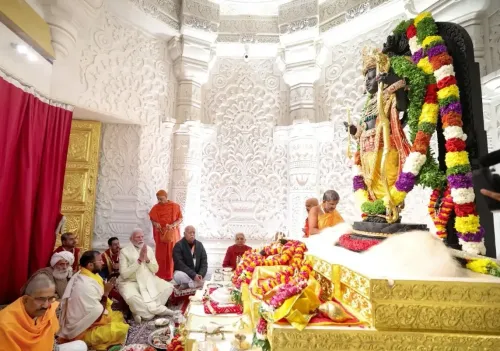
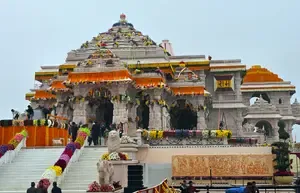
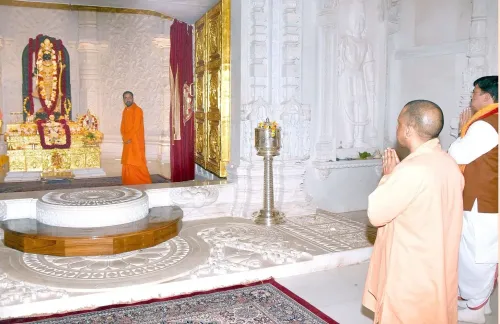
The consecration ceremony for the Ram Temple took place on January 22, 2024, with Prime Minister Narendra Modi presiding over the rituals for the placement of the idol of Ram Lalla in the temple's sanctum sanctorum.
In Hindu culture, the cow is held in high esteem and is associated with deities like Lord Krishna, symbolizing non-violence (ahimsa), fertility, and motherhood.
Beyond its religious significance, the cow has historically been vital to India’s agricultural economy, offering milk, organic fertilisers, and fuel through cow dung, thus supporting rural livelihoods for generations.
The protection of cows has also shaped societal norms, laws, and political discussions, making the cow a potent cultural and emotional symbol within Indian society.
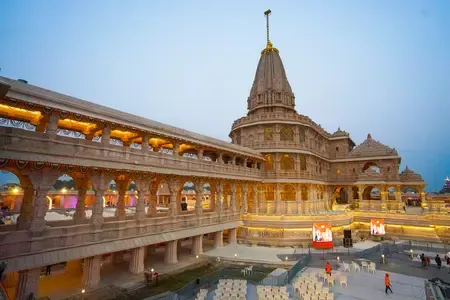
The Ram Temple in Ayodhya is located on a site that has long been considered sacred by Hindus as the birthplace of Lord Ram and has been central to religious, cultural, and legal debates for centuries.
It is believed that a temple existed there until the Mughal-era Babri Masjid was constructed in the 16th century, leading to decades of disputes that influenced modern Indian politics and law.
After years of legal battles, the Supreme Court of India awarded the land for the construction of a Ram Temple in 2019, allowing for the establishment of a new structure under a government-formed trust.
The grand consecration of the temple (Pran Pratishtha) occurred on January 22, 2024, representing a pivotal event in India’s current religious and historical narrative.
Point of View
The closure of slaughterhouses in Gujarat on January 22 serves not only as a religious observance but also as a reminder of the cultural significance of cows in India. As we navigate these complex intersections of faith, economy, and societal values, it is crucial to maintain a balanced perspective that respects diverse viewpoints while acknowledging the emotional and cultural weight these symbols carry in our national discourse.
NationPress
9 Oct 2026
Frequently Asked Questions
Why are slaughterhouses closed on January 22?
Slaughterhouses across Gujarat will close on January 22 to commemorate the completion of two years since the consecration of the Ram Temple in Ayodhya.
What is the significance of the Ram Temple?
The Ram Temple in Ayodhya is considered the birthplace of Lord Ram and has been a focal point of religious and cultural significance in India for centuries.
Who led the consecration ceremony of the Ram Temple?
Prime Minister Narendra Modi led the consecration ceremony of the Ram Temple on January 22, 2024.
What role do cows play in Indian culture?
Cows are revered in Hindu culture, symbolizing non-violence and motherhood, and they play a vital role in India's agrarian economy.
What has been the historical context of the Ram Temple site?
The Ram Temple site has a long history, with disputes arising from the construction of the Babri Masjid in the 16th century, leading to significant legal and political ramifications.