Gujarat Diwali tourism: 38 lakh visits recorded, Dwarka Temple up 128%
Synopsis
Gujarat's eight flagship pilgrimage and tourism sites collectively drew over 38 lakh visitors during the nine-day Diwali window, with Dwarka Temple more than doubling its footfall year-on-year at 128.8 per cent growth — a signal that the state's sustained infrastructure push is now converting into record festive-season traffic.
Key Takeaways
Gujarat's eight major tourist and religious destinations recorded over 38 lakh visitors during the Diwali period from 6 to 14 November 2026 .
Dwarka Temple led with 9.75 lakh visitors , up 128.8 per cent year-on-year — the highest growth among all tracked sites.
Ambaji Temple, Gabbar Hill and ropeway together attracted over 11.95 lakh visitors , a rise of 48.9 per cent .
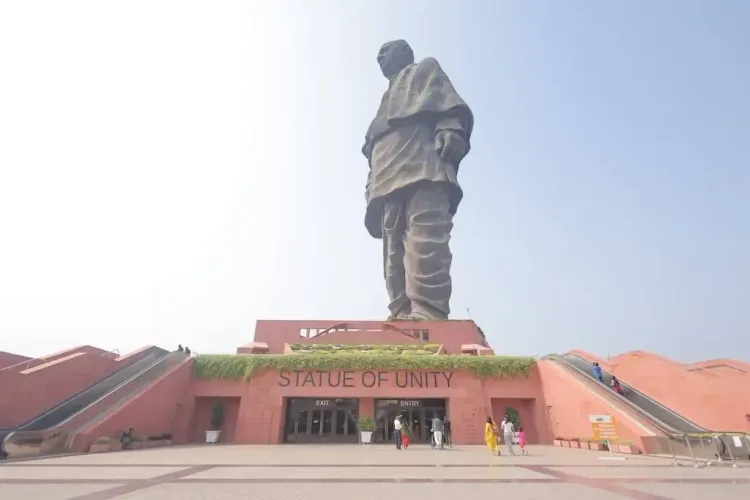
Somnath Temple saw over 9.12 lakh visitors (up 43.9% ); Statue of Unity, Kevadia crossed 5.57 lakh visitors (up 32.35% ).
Border tourism site Nadabet posted the second-highest growth rate at 54.1 per cent with over 37,000 visitors .
The state credits expanded infrastructure and accessibility improvements under CM Bhupendra Patel and Deputy CM Harsh Sanghavi for the surge.
Gujarat's eight major tourist and religious destinations drew more than 38 lakh visitors during the nine-day Diwali period from 6 to 14 November 2026, with Dwarka Temple posting the steepest year-on-year surge at 128.8 per cent, according to state government figures. The aggregate footfall marked a substantial jump over the corresponding nine-day Diwali window last year, underscoring the state's growing pull as a pilgrimage and heritage tourism hub.
Destination-wise Footfall Highlights
Dwarka Temple led all venues with 9.75 lakh visitors, more than doubling its year-ago tally to register that 128.8 per cent growth. Close behind, Ambaji Temple, Gabbar Hill, and the associated ropeway together attracted over 11.95 lakh visitors, up 48.9 per cent from the previous Diwali season.
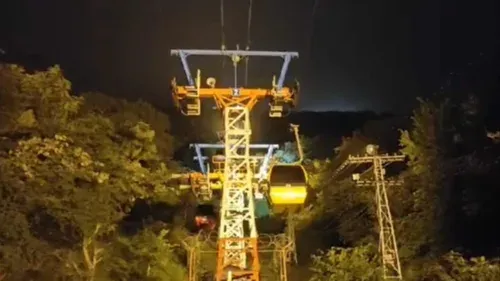
Somnath Temple received more than 9.12 lakh visitors, a rise of 43.9 per cent, while the Statue of Unity in Kevadia welcomed over 5.57 lakh visitors, marking a 32.35 per cent increase. Border tourism destination Nadabet recorded over 37,000 visitors, up 54.1 per cent, and the Girnar ropeway saw more than 48,800 visitors, a growth of 25.3 per cent.
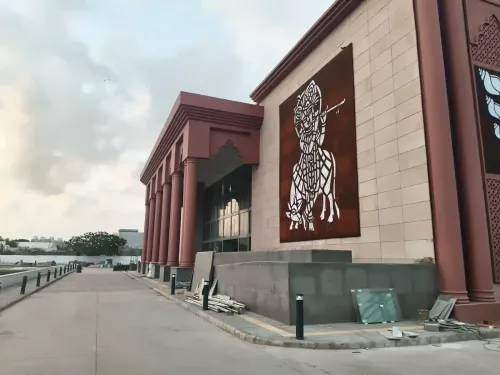
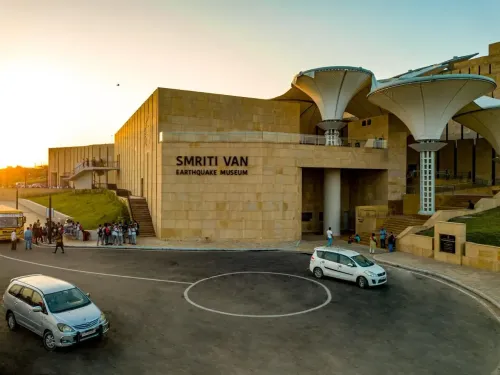
The heritage town of Vadnagar attracted over 62,000 visitors, and the Smritivan Earthquake Memorial in Bhuj received more than 25,000 visitors during the same period.
What Drove the Surge
The state government attributed the rise to expanded tourism infrastructure, improved facilities at pilgrimage centres, and measures aimed at making destinations more accessible. The figures encompass both domestic and international visitors across the eight tracked sites.
This comes amid a broader national trend of post-pandemic festive travel recovery, with pilgrimage circuits across India reporting consistently higher footfall during major festivals. Notably, Gujarat has invested heavily in visitor amenities at Jyotirlinga sites and newer attractions such as Nadabet and the Statue of Unity in recent years, and the Diwali data suggest those investments are translating into measurable traffic gains.
Government's Role and Infrastructure Push
The Tourism Department has been upgrading facilities at key religious and tourist sites under the guidance of Chief Minister Bhupendra Patel and Deputy Chief Minister Harsh Sanghavi, who also holds the state's tourism portfolio. Officials indicated that accessibility improvements — including ropeway expansions and better road connectivity — have been central to drawing higher visitor numbers.
Significance for Gujarat's Tourism Economy
The concentration of footfall across pilgrimage centres like Dwarka, Somnath, and Ambaji, alongside newer attractions, signals a diversification of Gujarat's tourism profile beyond traditional heritage corridors. The Smritivan Earthquake Memorial in Bhuj and Nadabet's border tourism experiment represent relatively recent additions that are now logging meaningful visitor counts during peak seasons.
How the state sustains this momentum beyond the festive window — particularly through off-peak months — will be a key test of whether the infrastructure investment translates into year-round economic impact for local communities near these destinations.
Point of View
But the more telling signal is the breadth of growth — every tracked site recorded double-digit gains, suggesting a systemic lift rather than a one-venue anomaly. What the data does not yet answer is how much of the surge is organic demand versus a catch-up from suppressed post-pandemic baselines. Gujarat's real infrastructure test will come during non-festive months: pilgrimage sites that fill on Diwali often empty in January, and sustainable tourism revenue depends on flattening that seasonal curve. The inclusion of Nadabet and Smritivan in the official count also points to a deliberate state effort to reframe Gujarat's tourism identity beyond religious circuits — a rebranding whose long-term commercial yield remains unproven.
NationPress
18 Nov 2026
Frequently Asked Questions
How many tourists visited Gujarat during Diwali 2026?
More than 38 lakh visitors were recorded across Gujarat's eight major tourist and religious destinations during the nine-day Diwali period from 6 to 14 November 2026, according to state government figures. The count includes both domestic and international visitors.
Which Gujarat destination saw the highest growth in Diwali visitors?
Dwarka Temple recorded the highest year-on-year growth at 128.8 per cent, drawing 9.75 lakh visitors during the Diwali period. It was followed by Nadabet at 54.1 per cent growth and Ambaji Temple, Gabbar Hill and ropeway at 48.9 per cent.
How did Somnath Temple and the Statue of Unity perform?
Somnath Temple received over 9.12 lakh visitors, up 43.9 per cent compared with the previous Diwali season. The Statue of Unity in Kevadia welcomed more than 5.57 lakh visitors, a rise of 32.35 per cent.
What is behind the surge in Gujarat tourism during Diwali?
The state government credits expanded tourism infrastructure, improved facilities at pilgrimage centres, and better accessibility, including ropeway upgrades and road connectivity. The Tourism Department has been developing these sites under Chief Minister Bhupendra Patel and Deputy Chief Minister Harsh Sanghavi.
What newer tourism sites featured in Gujarat's Diwali footfall data?
Nadabet, a border tourism destination, recorded over 37,000 visitors — up 54.1 per cent — while the Smritivan Earthquake Memorial in Bhuj received more than 25,000 visitors. The heritage town of Vadnagar also attracted over 62,000 visitors during the period.