How Are Gujarat Students Achieving Self-Reliance Through Vocational Education?
Synopsis
Gujarat's vocational education initiative is empowering students to become self-reliant. This state-wide program, led by Chief Minister Bhupendra Patel, combines practical training with traditional academics, equipping students for employment and entrepreneurship. With an emphasis on hands-on experience, the initiative aims to reduce dropout rates and foster a generation capable of contributing to the economy.
Key Takeaways
Gujarat's initiative promotes self-reliance among students.
Vocational training is integrated with academic education.
Hands-on experience is a key feature of the program.
Over 6.5 lakh youth benefit from this initiative.
Specialized training is available for women and disabled individuals.
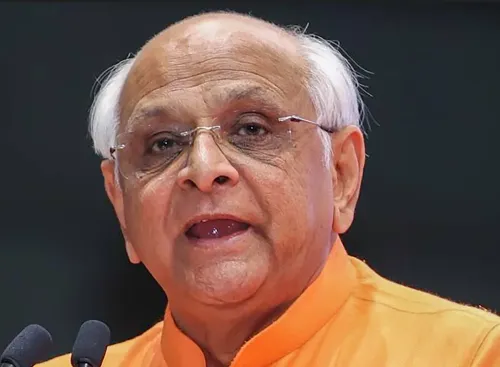
Rajkot, Feb 13 (NationPress) In Gujarat, students are acquiring practical skills in tandem with their academic education as part of a comprehensive statewide initiative designed to foster self-reliance. Spearheaded by Chief Minister Bhupendra Patel, this program aims to support students from classes 9 to 12 by merging vocational training with conventional studies, preparing them for employment and entrepreneurship.
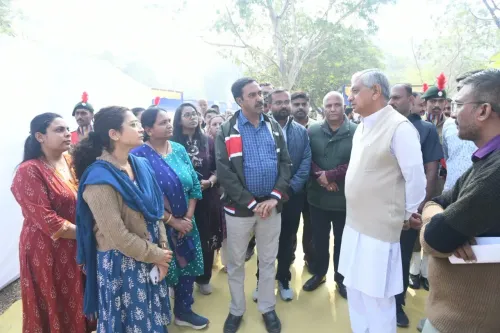
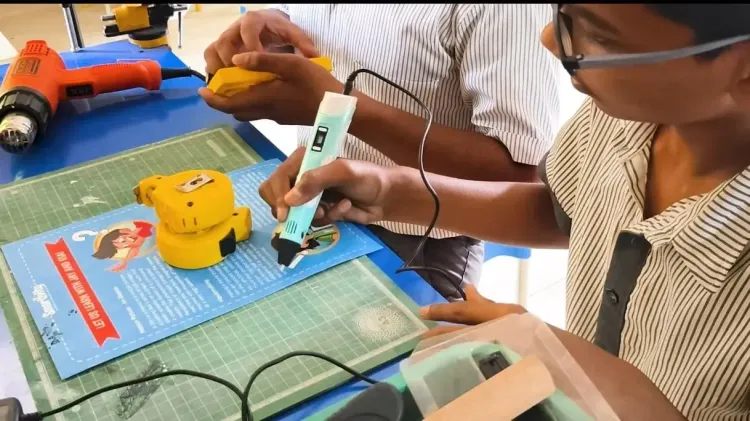
At Shree Chandrasinhji Higher Secondary School located in Rajpara, Kotda Sangani Taluka, Rajkot district, students are gaining hands-on experience in 11 fields, including automobile repair, electrical work, and agriculture.
Narendrasinh Jadeja, a trustee at the school, shared with IANS, 'In vocational training, children learn extensively. We have particularly focused on agriculture since the region is known for farming, and we have also incorporated electrical training.'
A student from the school remarked, 'I am learning about agriculture and farming. I am exploring various aspects such as production and cost efficiency.'
The vocational courses are in alignment with the National Education Policy-2020 and the National Skills Qualification Framework, allowing students to choose subjects that resonate with their interests, including four-wheeler service technician, agriculture, crop cultivation, and floriculture.
These courses are designed to offer approximately 70 percent practical training alongside theoretical lessons.
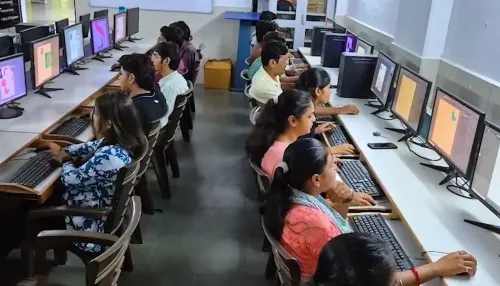
Students are not only gaining experience in school labs but also learning how to use tools and equipment, effectively blending academic study with practical skill development.
In a bid to expand vocational education throughout the state, the Gujarat government has made significant strides.
As per official statistics, there are currently 558 Industrial Training Institutes (ITIs), providing opportunities for over 6.5 lakh young individuals through the Mukhyamantri Skill Development Initiative.
This includes specialized ITIs catering to women and individuals with disabilities, as well as offering short-term training in emerging sectors like automation and manufacturing.
Officials have indicated that the integration of academic learning with practical skills diminishes reliance on traditional job markets, allowing youth to secure employment or become self-employed immediately after completing their education.
The initiative is also instrumental in decreasing school dropout rates in rural regions while equipping students with essential skills for self-sufficiency.
Grant-in-aid schools have been supported with infrastructure enhancements to create vocational training labs and classrooms, ensuring that students across Gujarat have access to modern learning environments.
By merging skill development with education, Gujarat’s vocational initiative aspires to prepare students not just for jobs but also for entrepreneurial ventures, thereby cultivating a generation of young citizens equipped to contribute to the state’s economic growth.
Point of View
I believe that the integration of vocational training with academic education is a pivotal step towards equipping students for future challenges. This initiative in Gujarat not only addresses the skills gap but also promotes self-reliance among youth, reducing dropout rates and enhancing employability. It reflects a commitment to creating a robust workforce that can contribute meaningfully to the economy.
NationPress
29 Sept 2026
Frequently Asked Questions
What areas are covered in vocational training for Gujarat students?
Vocational training in Gujarat covers various areas, including automobile repair, electrical work, and agriculture, among others.
How does vocational education align with national policies?
Vocational courses are aligned with the National Education Policy-2020 and the National Skills Qualification Framework, allowing students to choose subjects based on their interests.
What percentage of practical training is included in the courses?
Approximately 70 percent of the training in vocational courses is practical, complementing theoretical lessons.
What is the goal of the Gujarat vocational education initiative?
The aim is to prepare students for employment and entrepreneurship, reducing school dropout rates and ensuring self-sufficiency.
How does the initiative support women and disabled individuals?
The initiative includes specialized ITIs for women and persons with disabilities, offering tailored training opportunities.