Delhi Speaker Vijender Gupta: Dialogue is cornerstone of healthy democracy
Synopsis
Delhi Assembly Speaker Vijender Gupta used a national seminar on Shastrarth to make a pointed argument: India's ancient tradition of reasoned debate is not a relic but a democratic necessity. In an era of social media noise and declining patience, he called on citizens and legislators alike to rediscover the art of listening — and to treat dialogue as a search for truth, not a contest to be won.
Key Takeaways
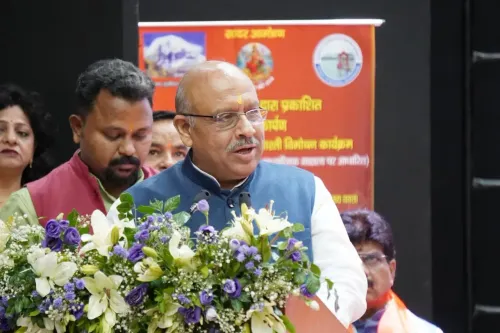
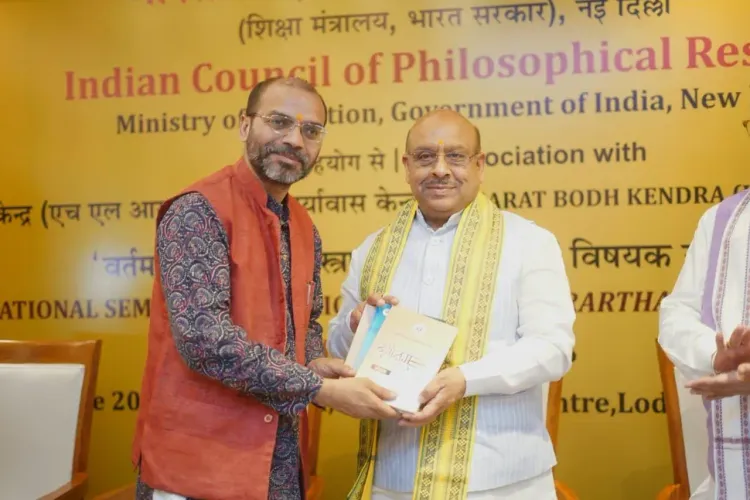
Delhi Assembly Speaker Vijender Gupta addressed the inaugural session of a two-day National Seminar on 'Vartaman Samay Mein Shastrarth' on 20 June at the India Habitat Centre, New Delhi .
The seminar was organised by the Indian Council of Philosophical Research (ICPR) in collaboration with Bharat Bodh Kendra .
Gupta called Shastrarth 'the soul of India's knowledge tradition' and cited the debate between Adi Shankaracharya and Mandana Mishra as a civilisational benchmark.
He warned of a decline in patience and meaningful dialogue in the social media age, urging citizens to listen to differing viewpoints.
Gupta drew a direct parallel between ancient Shastrarth and modern legislative debate, arguing both serve the same democratic function of truth-seeking.
Delhi Assembly Speaker Vijender Gupta on Saturday, 20 June declared that constructive dialogue remains the bedrock of a healthy democracy and a harmonious society, calling for a revival of India's ancient tradition of Shastrarth as both a philosophical and democratic necessity in contemporary times.
Key Remarks at the Seminar
Speaking at the inaugural session of a two-day National Seminar on 'Vartaman Samay Mein Shastrarth', organised by the Indian Council of Philosophical Research (ICPR) in collaboration with Bharat Bodh Kendra at the India Habitat Centre, New Delhi, Gupta addressed scholars, academicians, and distinguished guests. He described Shastrarth as 'the very soul of India's knowledge tradition.'
'Democracy is strengthened when debate is guided by dignity, logic and facts; Shastrarth is not about defeating an opponent but discovering the truth,' the Speaker said.
Ancient Tradition, Modern Relevance
Gupta drew on the dialogues of the Upanishads and the historic debate between Adi Shankaracharya and Mandana Mishra to illustrate that Indian civilisation has consistently placed reasoned dialogue and intellectual inquiry at its highest. He cited the timeless principle 'Vade Vade Jayate Tattva Bodhah' — the realisation of truth emerges through discussion and deliberation — as evidence that truth in the Indian tradition was never imposed but tested through debate.
He also highlighted the role of Bharati, wife of Mandana Mishra, who served as the impartial adjudicator in the celebrated Shankaracharya-Mandana Mishra debate, underscoring India's civilisational commitment to openness and fairness.
Concerns Over Contemporary Discourse
Gupta expressed concern over the quality of public discourse today, noting that while the present age is rich in information, it is witnessing a growing decline in patience, listening, and meaningful dialogue. He acknowledged that social media provides every individual a platform to express opinion, but argued that people must cultivate the ability to listen to differing viewpoints rather than merely broadcast their own.
He underscored the distinction between Shastrarth and mere argumentation: the former seeks truth, not the defeat or humiliation of an opponent.
Shastrarth and Legislative Democracy
Drawing a parallel between ancient intellectual discourse and modern democratic institutions, Gupta argued that legislative debates represent a contemporary manifestation of the Shastrarth tradition. He stated that democracy reaches its true essence not merely through the formation of a majority government, but when diverse viewpoints are expressed and deliberated upon in the Legislature. Meaningful discussions, he noted, generate intellectual churning that leads to better governance and informed decision-making.
Way Forward
Gupta expressed confidence that the two-day seminar's deliberations would help identify ways to revive and contextualise the Shastrarth tradition for modern times. Values such as self-discipline, sacrifice, compassion, and dialogue — central to Indian culture — continue to offer guidance for addressing contemporary challenges, he said.
Point of View
Not majority assertion, is implicitly critiquing the quality of debate in India's own assemblies. The reference to social media's erosion of listening is well-timed, but the harder question — whether Parliament and state legislatures themselves model the Shastrarth ideal — goes unasked. Reviving an ancient debating tradition is a worthy aspiration; institutionalising it in chambers where disruptions and adjournments are routine is the real test.
NationPress
19 Sept 2026
Frequently Asked Questions
What is the National Seminar on 'Vartaman Samay Mein Shastrarth'?
It is a two-day national seminar organised by the Indian Council of Philosophical Research (ICPR) in collaboration with Bharat Bodh Kendra, held at the India Habitat Centre in New Delhi on 20 June. The seminar focuses on reviving and contextualising India's ancient tradition of Shastrarth — structured intellectual debate — for contemporary democratic and social life.
What is Shastrarth and why does Vijender Gupta consider it relevant today?
Shastrarth is an ancient Indian tradition of structured intellectual debate aimed at discovering truth through reasoned dialogue, as distinct from argumentation intended to defeat an opponent. Gupta argued it is a social and democratic necessity today because public discourse is increasingly marked by a decline in patience and meaningful listening, particularly in the social media age.
What historical examples did Vijender Gupta cite in his address?
Gupta cited the dialogues of the Upanishads and the celebrated debate between Adi Shankaracharya and Mandana Mishra, in which Bharati — wife of Mandana Mishra — served as the impartial adjudicator. He used these examples to show that Indian civilisation has historically valued openness, fairness, and reasoned inquiry.
How did Gupta connect Shastrarth to legislative democracy?
Gupta argued that legislative debates are a modern manifestation of the ancient Shastrarth tradition. He said democracy is not fulfilled merely by forming a majority government, but reaches its true essence when diverse viewpoints are expressed and deliberated upon in the Legislature, generating intellectual churning that leads to better governance.
Who organised the seminar and where was it held?
The seminar was organised by the Indian Council of Philosophical Research (ICPR) in collaboration with Bharat Bodh Kendra. It was held at the India Habitat Centre in New Delhi on 20 June.