Delhi Speaker Vijender Gupta: India's strength rooted in civilisational consciousness
Synopsis
Delhi Assembly Speaker Vijender Gupta used the launch of 'Pratham Sindhu Kumbh' at Delhi University to argue that India's true strength lies in its civilisational consciousness — not just GDP or technology. His remarks, framing the Sindhu river as the etymological and cultural bedrock of Indian identity, signal a broader push to anchor contemporary nation-building in ancient heritage.
Key Takeaways
Delhi Assembly Speaker Vijender Gupta spoke at the launch of 'Pratham Sindhu Kumbh: Adhyatmik Evam Sanskritik Mahatva' on 1 June at Delhi University .
The event was organised by the Sindhu Darshan Committee and attended by Indresh Kumar and Dayalu Ji Maharaj of Himalaya Parivar (Delhi Province) .
Speaker Gupta said the Sindhu river is the etymological root of Hind , Hindu and Hindustan and a symbol of India's civilisational continuity.
He stressed that cultural initiatives and books preserving heritage are essential to counter younger generations' growing distance from their roots.
The First Sindhu Kumbh was described as a platform for spiritual reflection, cultural dialogue and social harmony — beyond a religious congregation.
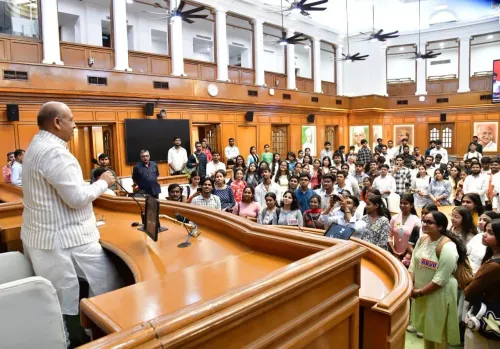
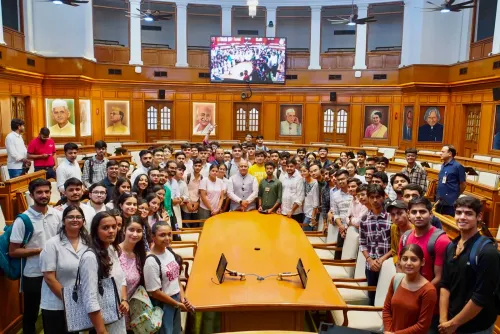
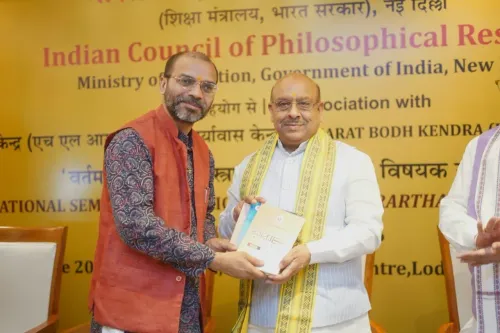
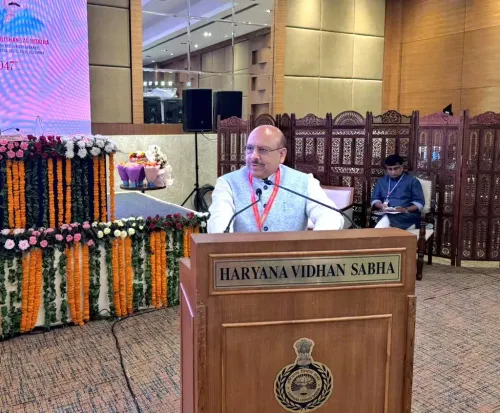
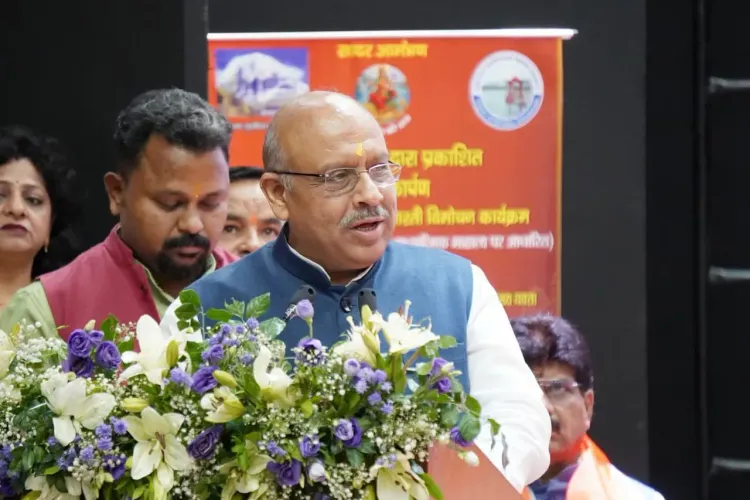
Delhi Assembly Speaker Vijender Gupta on Sunday, 1 June said that India's strength derives not only from economic growth and technological advancement but equally from its civilisational consciousness, cultural traditions and moral foundations. He was speaking at the launch of the book 'Pratham Sindhu Kumbh: Adhyatmik Evam Sanskritik Mahatva' at Shankar Lal Concert Hall, Delhi University.
The Occasion and Its Significance
The event was organised by the Sindhu Darshan Committee and drew eminent spiritual leaders, scholars, academicians and civil society members, including Indresh Kumar and Dayalu Ji Maharaj, President of Himalaya Parivar (Delhi Province). Speaker Gupta described the gathering as more than a book release — calling it an opportunity to reconnect with India's civilisational heritage and national spirit.
He congratulated the Sindhu Darshan Committee for the initiative and acknowledged the contributions of Indresh Kumar and Dayalu Ji Maharaj in bringing forward a work that reflects the spiritual and cultural significance of the Sindhu tradition.
The Sindhu as Civilisational Symbol
Highlighting the historical importance of the Sindhu river, Speaker Gupta said the river is not merely a geographical entity but the foundation of India's civilisational memory and cultural identity. He noted that terms such as Hind, Hindu and Hindustan are etymologically rooted in the Sindhu, and that the river represents a continuing civilisational journey that has shaped India for millennia.
According to him, the Sindhu remains a powerful symbol of cultural continuity, national consciousness and shared heritage — embodying the sense of oneness that binds Indians across regions and generations.
Unity in Diversity
Emphasising the idea of unity amid diversity, Speaker Gupta said that while India is home to a remarkable range of languages, customs and traditions, its cultural spirit remains singular. He argued that this civilisational unity has historically been the nation's core strength and that preserving cultural traditions is essential to nation-building.
Youth, Memory and Cultural Continuity
Speaker Gupta noted that in an era of rapid technological change and social transformation, younger generations are increasingly distanced from their cultural roots. He stressed that books and cultural initiatives documenting India's civilisational heritage play a vital role in preserving historical memory, strengthening cultural awareness and fostering a deeper understanding of the values that have shaped the nation.
The First Sindhu Kumbh
Referring to the First Sindhu Kumbh, Speaker Gupta described the initiative as a significant effort to reconnect contemporary society with traditions of spiritual reflection, cultural dialogue and social harmony. He noted that the Kumbh has historically served not merely as a religious congregation but as a platform for cultural exchange and collective learning. The book's release, in this context, is seen as part of a broader effort to document and disseminate the spiritual and cultural legacy of the Sindhu tradition for future generations.
Point of View
But they reflect a deliberate and recurring political-cultural project: anchoring Indian nationhood in civilisational continuity rather than constitutional modernity alone. The framing of the Sindhu as the etymological source of 'Hindu' and 'Hindustan' is not new scholarship — it is a well-worn ideological position that conflates geography, religion and national identity. What is notable is the institutional weight behind it: a sitting Speaker of a state legislature lending formal endorsement to this civilisational narrative. The question mainstream coverage rarely asks is whether such events, dressed as cultural initiatives, are quietly reshaping the terms of who belongs to the nation's 'shared heritage' — and who does not.
NationPress
19 Sept 2026
Frequently Asked Questions
What was the 'Pratham Sindhu Kumbh' book launch about?
The book 'Pratham Sindhu Kumbh: Adhyatmik Evam Sanskritik Mahatva' documents the spiritual and cultural significance of the Sindhu tradition and the First Sindhu Kumbh. It was released on 1 June at Shankar Lal Concert Hall, Delhi University, organised by the Sindhu Darshan Committee.
What did Delhi Assembly Speaker Vijender Gupta say at the event?
Speaker Gupta said India's strength lies equally in its civilisational consciousness, cultural traditions and moral foundations — not only in economic or technological progress. He described the Sindhu river as the foundation of India's civilisational memory and the etymological root of terms like Hind, Hindu and Hindustan.
Who attended the Sindhu Kumbh book launch?
The event was attended by spiritual leaders, scholars, academicians and civil society members, notably Indresh Kumar and Dayalu Ji Maharaj, President of Himalaya Parivar (Delhi Province). It was organised by the Sindhu Darshan Committee.
Why did Speaker Gupta stress the importance of cultural books and initiatives?
He argued that in an era of rapid technological change, younger generations are increasingly disconnected from their cultural roots. Books and cultural initiatives documenting India's civilisational heritage, he said, help preserve historical memory and strengthen cultural awareness.
What is the First Sindhu Kumbh?
The First Sindhu Kumbh is an initiative to reconnect contemporary society with traditions of spiritual reflection, cultural dialogue and social harmony. Speaker Gupta described it as a platform for cultural exchange and collective learning, going beyond a purely religious congregation.