Haji Salim drug network losing maritime routes as India tightens coastal grip
Synopsis
India's ₹3,000-crore drug bust near Lakshadweep isn't just a seizure — it's the latest chapter in a systematic dismantling of the Haji Salim network's maritime playbook. With Gujarat closed, Vizhinjam closed, and the southern corridor now exposed, officials believe the alleged ISI-backed cartel is nearly out of viable routes — and running out of time with impatient international buyers.
Key Takeaways
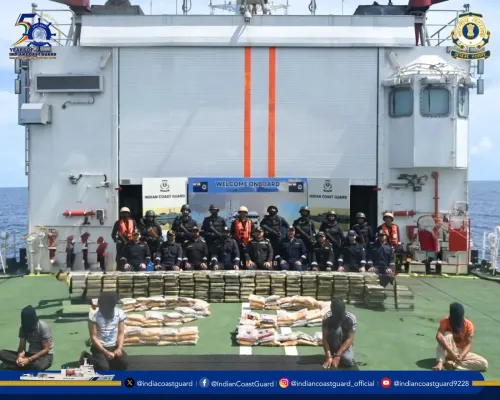
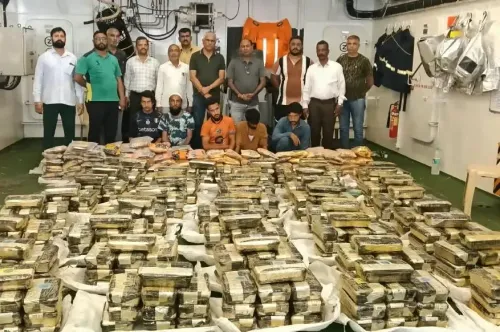
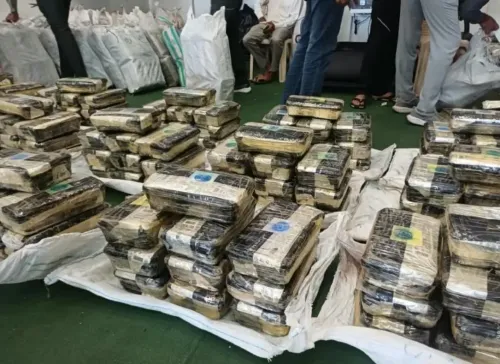
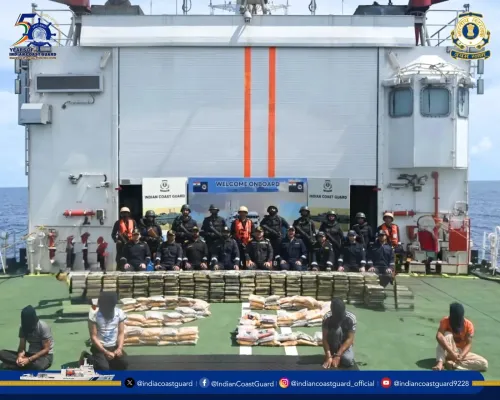
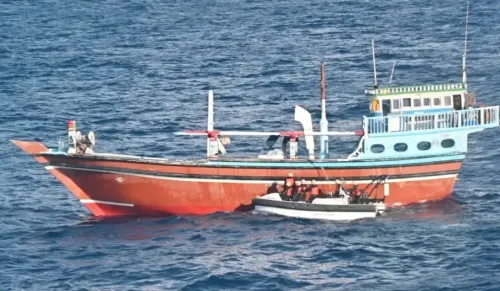
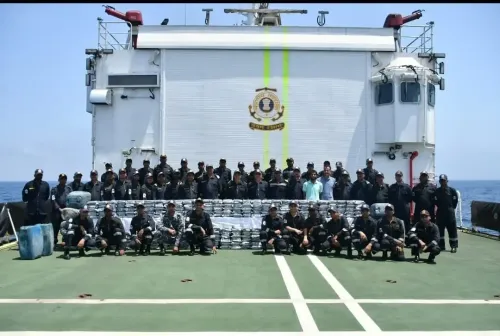
The Indian Coast Guard and Gujarat ATS seized ₹3,000 crore worth of narcotics — including 400 kg of methamphetamine — from an Iranian dhow 160 nautical miles northwest of Lakshadweep .
Five Pakistani nationals were arrested; the consignment was reportedly bound for Tamil Nadu and onward to international markets.
The Haji Salim network , allegedly backed by Pakistan's ISI , has been forced off its traditional Gujarat route by repeated busts and now faces heat on the southern corridor too.
Earlier landing points at Vizhinjam , Kerala are described as 'next to impossible' for smuggling; Kasargod and Malappuram are the network's latest fallback, now under surveillance.
Officials allege the ISI receives 40 percent of narcotics proceeds from the cartel, funds reportedly used to finance terror activities in India.
Analysts warn that continued disruptions could prompt international buyers to abandon the network, potentially dealing a structural blow to the syndicate's finances.
A ₹3,000-crore drug bust off the Lakshadweep Islands this week has delivered a significant blow to the Haji Salim network, an alleged Inter Services Intelligence (ISI)-backed narcotics syndicate, but officials say the deeper crisis for the cartel is the rapid shrinkage of viable maritime corridors into India. Intensified coastal surveillance is pushing the network toward riskier, less-familiar routes — and those too are now under scrutiny.
The Lakshadweep Seizure
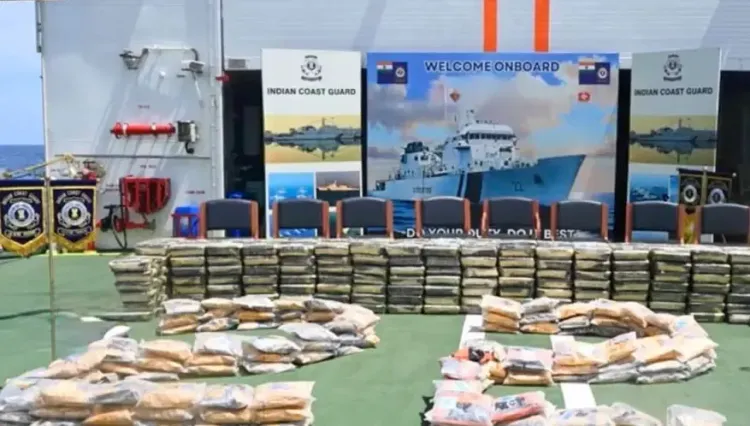
The Indian Coast Guard (ICG) and the Gujarat Anti-Terrorism Squad (ATS) jointly intercepted an Iranian dhow approximately 160 nautical miles northwest of Lakshadweep, seizing 400 kg of methamphetamine and 126 kg of high-grade narcotics valued at over ₹3,000 crore. Five Pakistani nationals operating the vessel were arrested during the operation.
According to officials, the consignment was destined for Tamil Nadu, from where it was to be routed into international markets, including Sri Lanka and countries such as Thailand. 'Haji Salim, a Dawood Ibrahim aide, is in charge of narcotic smuggling into the southern states. From there it is taken to Sri Lanka and to countries such as Thailand,' an official said.
Gujarat Route Shut Down, Southern Flank Now Under Watch
Gujarat was historically the Haji Salim network's preferred entry point into India. Multiple successive busts along this corridor, however, have inflicted 'massive losses' on the syndicate, according to officials, forcing a southward pivot. The Iranian dhow intercepted this week is a direct consequence of that forced rerouting.
'The network may have spent months planning the alternate route to bypass Gujarat. However, following the latest joint operation, the Salim gang is likely to start looking for another route,' an official said. Notably, the new southern maritime corridor has now itself come under the radar of coastal agencies — leaving the cartel with diminishing options.
Kerala Ports: From Vizhinjam to Kasargod and Malappuram
Prior to the Gujarat preference, the network had favoured Vizhinjam, near Thiruvananthapuram in Kerala. Repeated enforcement actions there rendered it effectively unusable. 'Currently, the surveillance at this seaport is at an all-time high and smuggling narcotics is next to impossible here,' an official said.
The network subsequently identified Kasargod and Malappuram in north Kerala as alternative landing points, exploiting their relatively lower coastal surveillance. An Intelligence Bureau official confirmed these locations are now on enforcement agencies' radar. 'It is only a matter of time before surveillance is stepped up in these areas,' the official said.
ISI Stake and Terror Financing Angle
Officials allege that under arrangements struck between the ISI and operators such as Dawood Ibrahim and Haji Salim, drug cartels hand over 40 percent of narcotics trade proceeds to the ISI in exchange for protection. Officials said this money is largely used to finance terror activities in India, making every successful drug seizure also a counter-terror success.
The financial pressure on the syndicate is compounding. With multiple contingents busted in quick succession, losses are mounting — and Haji Salim is reportedly under significant pressure from international buyers who may seek alternative supply channels if deliveries continue to be disrupted.
What Agencies Say Next
Officials caution against complacency despite the string of successes. 'Both the ISI and the Haji Salim network are in need of funds. With so many of their contingents being busted in recent times, the losses that they have incurred are huge,' an official said. The consensus among security agencies is that the syndicate will attempt to identify yet another maritime corridor, but the window for doing so is narrowing with each interception.
If enforcement operations continue at this pace, international buyers are expected to look elsewhere, potentially dealing a structural blow to the Haji Salim network's revenue model and its alleged ISI-backed operations.
Point of View
If verified, means these drug seizures are not just narcotics enforcement but economic warfare against a hostile intelligence operation. The risk is that a cornered network, desperate for revenue and under buyer pressure, becomes more reckless — targeting less-monitored stretches of India's 7,500-kilometre coastline. The real test of this surveillance surge is whether it can maintain pace with an adaptive adversary.
NationPress
3 Oct 2026
Frequently Asked Questions
What was seized in the Lakshadweep drug bust?
The Indian Coast Guard and Gujarat ATS jointly seized 400 kg of methamphetamine and 126 kg of high-grade narcotics worth over ₹3,000 crore from an Iranian dhow intercepted 160 nautical miles northwest of Lakshadweep. Five Pakistani nationals operating the vessel were arrested.
Who is Haji Salim and what is his alleged role?
Haji Salim is described by officials as an aide of Dawood Ibrahim who allegedly oversees narcotics smuggling into India's southern states. According to officials, the network — allegedly backed by Pakistan's ISI — routes drugs through India to international markets including Sri Lanka and Thailand.
Why is the Haji Salim network said to be running out of routes?
Multiple successive drug busts have effectively shut down Gujarat's coastline as an entry point, and prior to that, the Vizhinjam port in Kerala was also rendered unusable through repeated enforcement operations. The latest southern maritime route used near Lakshadweep has now also come under surveillance, leaving the network with rapidly shrinking options.
What is the alleged ISI connection to these drug operations?
Officials allege that the ISI provides protection to narcotics operators such as Dawood Ibrahim and Haji Salim in exchange for 40 percent of drug trade proceeds. This money is said to be largely used to finance terror activities inside India, making the drug seizures also significant from a counter-terror perspective.
Which new landing points is the Haji Salim network reportedly targeting?
According to an Intelligence Bureau official, the network has identified Kasargod and Malappuram in north Kerala as alternative landing points due to relatively lower coastal surveillance. However, officials say these locations are now under watch and it is only a matter of time before surveillance is intensified there.