Lakshadweep drug haul: 526 kg seized, 5 Pakistanis held in 16-day Arabian Sea op
Synopsis
A 16-day multi-agency operation culminated in the seizure of 526 kg of methamphetamine and heroin — worth over ₹3,000 crore — and the arrest of five Pakistani nationals from an Iranian dhow in the Arabian Sea. Home Minister Amit Shah has directly linked the bust to Pakistan's narco-terror networks, framing it as part of the Modi government's drug-free India mission.
Key Takeaways
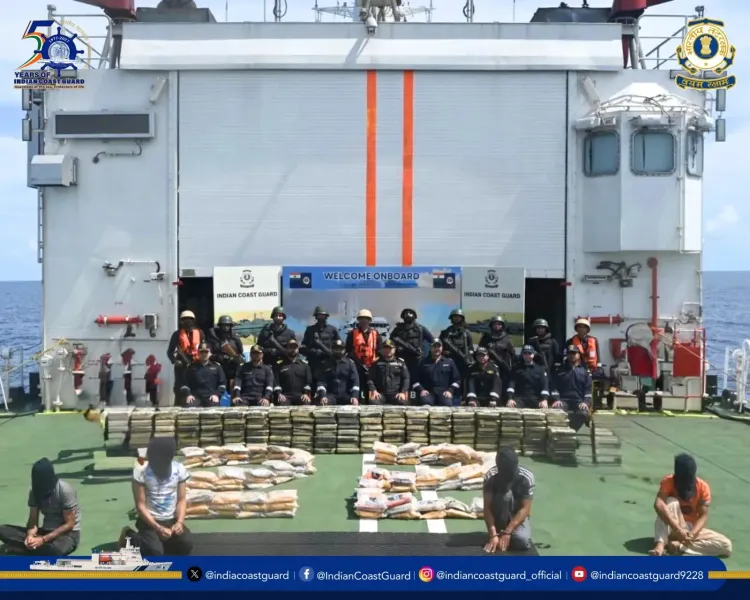
526 kg of methamphetamine and heroin, valued at over ₹3,000 crore , were seized from an Iranian dhow in the Arabian Sea off Lakshadweep on 25 September 2026 .
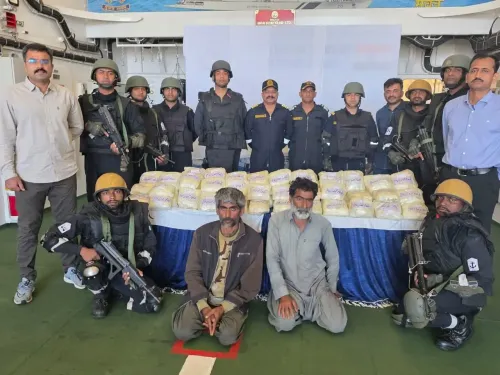
Five Pakistani nationals were arrested and have been escorted to Mumbai harbour for a multi-agency investigation.
The joint operation involved the Gujarat ATS , Indian Coast Guard , and central intelligence agencies over 16 days .
The vessel was intercepted 160 nautical miles northwest of Lakshadweep and 490 nautical miles southwest of Mumbai.
Between 2014 and 2026 , Indian agencies seized over 1.18 crore kg of drugs worth approximately ₹1.84 lakh crore ; annual seizures hit an all-time high in 2024 , up 55% over 2023.
Officials say narcotics smuggling networks are linked to ISI -backed terror groups targeting India.
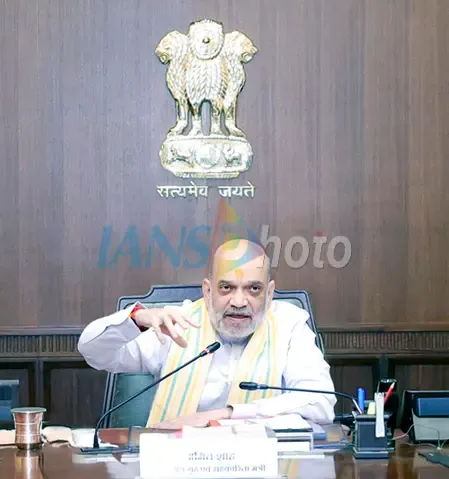
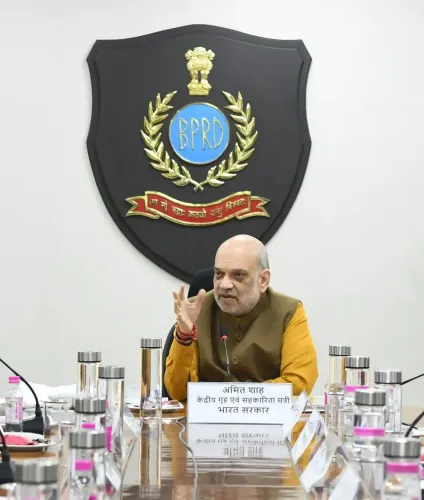
Home Minister Amit Shah on Wednesday, 30 September 2026, revealed that the seizure of 526 kg of high-grade narcotics and the arrest of five Pakistani nationals in the Arabian Sea off Lakshadweep was the result of a 16-day coordinated operation involving multiple Indian security agencies. Shah said the Narendra Modi government remained determined to protect the country's youth from the scourge of drugs.
The Interception: What Happened on 25 September
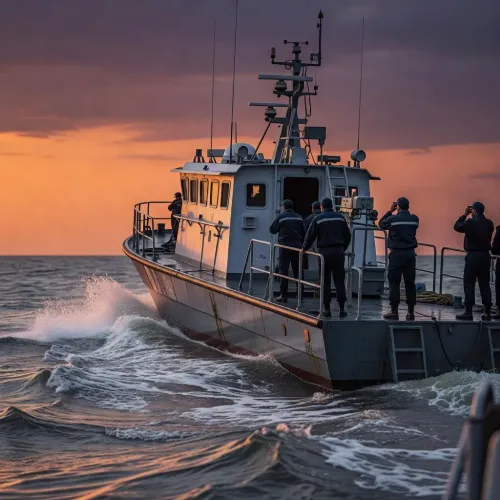
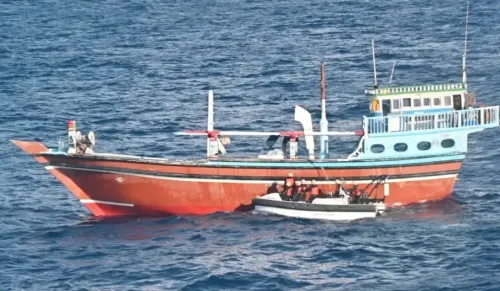
The Indian Coast Guard (ICG), acting on intelligence about a suspected illicit consignment moving through key maritime corridors, established radar contact with a suspicious dhow west of the Lakshadweep archipelago. The vessel was intercepted on 25 September, approximately 160 nautical miles northwest of Lakshadweep and 490 nautical miles southwest of Mumbai — well within India's Exclusive Economic Zone (EEZ).
After sustained aerial and surface tracking, Coast Guard units initiated a hot pursuit as the vessel attempted evasive manoeuvres. 'Specialised boarding teams executed a high-seas tactical assault, securing the vessel and detaining all five crew members without incident,' the ICG said in its official statement.
The Seizure: Drugs, the Vessel, and the Arrests
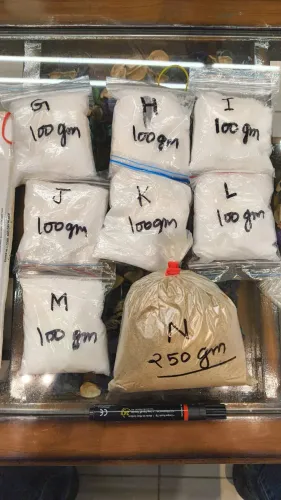
A thorough search of the Iranian dhow yielded 526 kg of methamphetamine and heroin, valued at over ₹3,000 crore. The joint operation was carried out by the Gujarat Anti-Terrorist Squad (ATS), the Indian Coast Guard, and central intelligence agencies. The five Pakistani nationals arrested aboard have since been escorted to Mumbai harbour, where a multi-agency investigation is currently underway to map the syndicate's financial trail and identify domestic distribution networks.
In a post on X, Shah described the operation as 'a stellar example of coordination and cooperation among agencies,' adding that the 16-day-long operation also seized an Iranian boat.
Pakistan's Role and the Narco-Terror Link
Officials have pointed to Pakistan's repeated involvement in narcotics smuggling through India's maritime routes. An Intelligence Bureau official stated that destroying narcotics cartels 'deals a severe setback to terror networks,' which are described as being 'completely reliant on money earned through the narcotics trade.' The official attributed several such smuggling networks to Inter Services Intelligence (ISI)-backed groups targeting India.
Notably, this seizure is part of a pattern of maritime drug interdictions in the Arabian Sea, with agencies increasingly focused on transnational syndicates shifting operations from major cities to smaller towns as urban surveillance tightens.
India's Broader Anti-Narcotics Campaign: Scale and Numbers
According to official data, between 2014 and 2026, Indian agencies have seized over 1.18 crore kg of drugs valued at approximately ₹1.84 lakh crore. In the same period, 42.47 lakh kg of narcotics valued at ₹89,896 crore were destroyed. Annual seizures reached an all-time high in 2024, when between 1,330 and 1,691 tonnes were seized — a 55% increase over 2023.
Shah had earlier said agencies would operate at the district level to break 100 major international and inter-state drug syndicates, with the stated goal of a drug-free India. The government has also been coordinating with international counterparts to extradite drug lords operating from across India's borders.
What Comes Next
Investigators at Mumbai harbour are working to identify the wider network behind the intercepted consignment and its intended receivers. The ICG reaffirmed its mission readiness, stating that it remains 'resolutely postured to secure national maritime frontiers, combat organised crime, and dismantle transnational cartels.' Further arrests and network mapping are expected as the probe advances.
Point of View
000 crore is a serious disruption — but the political framing deserves scrutiny. Shah's immediate X post linking the haul to Pakistan and ISI-backed terror networks is consistent with a recurring government narrative that conflates narcotics enforcement with national security optics. The narco-terror connection is real and documented, but conflating every maritime seizure with cross-border terror risks overloading the enforcement message. The more important metric is whether the downstream network is actually dismantled — the five arrested crew members are likely the lowest rung of a multi-layered cartel. India's ₹1.84 lakh crore in cumulative seizures since 2014 is an impressive headline, but seizure volumes alone do not measure whether supply or addiction rates are actually falling.
NationPress
30 Sept 2026
Frequently Asked Questions
What was seized in the Lakshadweep drug operation?
Indian security agencies seized 526 kg of high-grade methamphetamine and heroin, valued at over ₹3,000 crore, from an Iranian dhow in the Arabian Sea approximately 160 nautical miles northwest of Lakshadweep on 25 September 2026. Five Pakistani nationals were arrested during the operation.
Which agencies were involved in the operation?
The joint operation involved the Gujarat Anti-Terrorist Squad (ATS), the Indian Coast Guard, and central intelligence agencies. The 16-day coordinated effort drew praise from Home Minister Amit Shah as a 'stellar example of coordination and cooperation among agencies.'
Where are the arrested Pakistani nationals now?
The five Pakistani nationals, along with the seized vessel, have been escorted to Mumbai harbour. A multi-agency investigation is underway to identify the wider network and map the syndicate's financial trail and domestic distribution contacts.
What is the link between narcotics smuggling and terrorism raised by officials?
An Intelligence Bureau official stated that ISI-backed terror groups targeting India are 'completely reliant on money earned through the narcotics trade,' meaning that dismantling drug cartels also disrupts their terror financing. Officials have cited this nexus as a key driver of India's intensified maritime anti-narcotics operations.
How does this seizure fit into India's overall anti-drug campaign?
Between 2014 and 2026, Indian agencies have seized over 1.18 crore kg of drugs worth approximately ₹1.84 lakh crore. Annual seizures reached an all-time high in 2024, rising 55% over 2023. The government aims to break 100 major international and inter-state drug syndicates as part of its drug-free India mission.