Hamas expanding South Asia network via Pakistan, Bangladesh, Sri Lanka: Indian agencies
Synopsis
Indian intelligence agencies are sounding the alarm over what they describe as a structured Hamas push to embed itself across South Asia — not through direct operations, but by quietly forging alliances with LeT, JeM, JMB, and pro-Hamas groups in Sri Lanka. With the ISI allegedly brokering introductions and the Israeli Ambassador publicly flagging the threat, the concern is less about an imminent attack and more about a slow-burning radicalisation and recruitment infrastructure taking root across the region.
Key Takeaways
Indian security agencies are monitoring Hamas 's efforts to build an extremist network across South Asia , with Pakistan , Bangladesh , and Sri Lanka identified as primary targets.
Hamas leaders have reportedly met members of Lashkar-e-Taiba (LeT) and Jaish-e-Mohammad (JeM) in Pakistan on multiple occasions.
An Intelligence Bureau official says Hamas is expected to operate through proxies including LeT , Al-Qaeda in Bangladesh , Jamaat-ul-Mujahideen Bangladesh (JMB) , and pro-Hamas groups in Sri Lanka .
Pakistan's ISI has allegedly facilitated Hamas's regional outreach by encouraging leaders to visit South Asian countries and forge local alliances.
Agencies warn the primary near-term risk is enhanced recruitment and radicalisation , not direct operational attacks.
Israeli Ambassador Reuven Azar has publicly confirmed Hamas-linked activity in Pakistan and Bangladesh since the October 7 attacks on Israel.
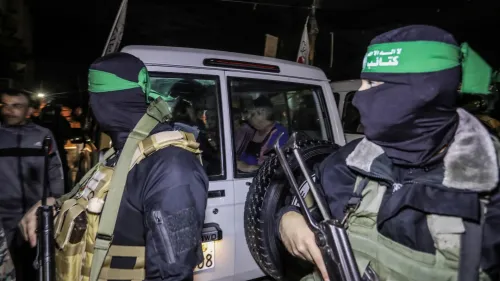
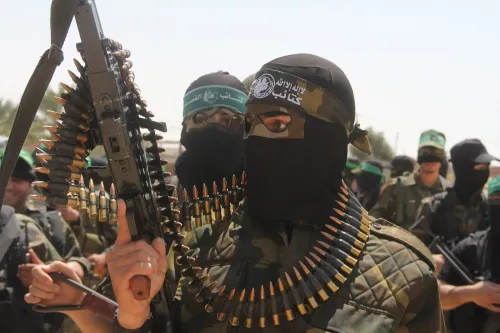
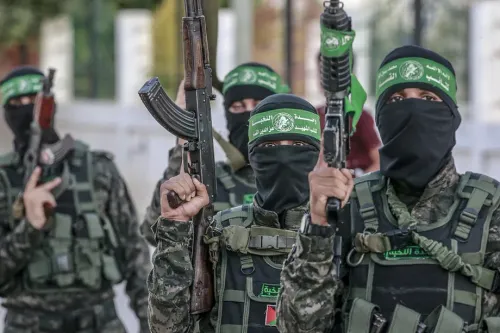
Indian security agencies are closely monitoring what they describe as a deliberate and escalating effort by Hamas to build an extremist support network across South Asia, with Pakistan, Bangladesh, and Sri Lanka identified as primary footholds, according to intelligence inputs reviewed as of 23 June. The Palestinian militant group, traditionally focused on its conflict with Israel, is now believed to be pursuing a wider regional presence through structured alliances with established terror outfits.
Key Developments
Pakistan has on several occasions hosted senior Hamas leaders, who have reportedly been observed interacting with members of Lashkar-e-Taiba (LeT) and Jaish-e-Mohammad (JeM), according to security officials. Agencies have also drawn tactical comparisons between the Pahalgam attack and the methods employed during Hamas's October 7 assault on Israel — a parallel that officials say underscores the operational significance of these linkages.
While Hamas's ties with Pakistan-based terror networks have long been treated as an open secret within intelligence circles, officials now say the group is actively widening its reach beyond Pakistan into Bangladesh and Sri Lanka.
How Hamas Plans to Operate
An Intelligence Bureau official indicated that Hamas is unlikely to operate openly under its own banner in these countries. 'It would work along with outfits such as the Lashkar-e-Taiba, Al-Qaeda in Bangladesh, Jamaat-ul-Mujahideen Bangladesh (JMB) and pro-Hamas groups in Sri Lanka,' the official said.
A second official noted that Hamas may not necessarily participate directly in operational activities alongside these groups. Instead, such alliances are valued for expanding the organisation's influence, visibility, and support infrastructure — including logistical advantages and cross-border fundraising networks.
Security agencies have further assessed that these efforts could eventually extend into Nepal, Myanmar, and the Maldives. 'Hamas would not find it difficult to undertake these operations,' another official said.
ISI's Alleged Role
According to intelligence agencies, Pakistan's Inter-Services Intelligence (ISI) has played a key facilitating role in Hamas's regional outreach. Officials allege that the Pakistani spy agency has encouraged Hamas leaders to visit South Asian countries and cultivate alliances with local organisations — arrangements that, officials believe, serve the ISI's own interest in expanding its influence and deepening connections among extremist groups across the region.
Recruitment and Radicalisation Concerns
The immediate concern flagged by agencies is not the imminent launch of coordinated terror operations, but rather the prospect of significantly enhanced recruitment across multiple extremist organisations. 'All these terror groups would also benefit from the Hamas branding. The alliance partners of Hamas all have a common enemy in Israel, and hence this combination would work out best for all of them,' an official said.
Officials warn that Hamas could also contribute to radicalisation through ideological outreach and support networks, with a particular long-term concern that Indian youth could eventually be targeted for recruitment.
Israeli Ambassador's Warning
Israeli Ambassador to India Reuven Azar, in a recent interview, said that Hamas-linked activities had been taking place in Pakistan and Bangladesh, and expressed concern that the organisation's influence could spread beyond the Middle East. Azar further stated that Hamas has been active in both countries since the October 7 attacks on Israel.
From India's strategic perspective, officials say Hamas's efforts to cultivate relationships with extremist groups in neighbouring countries represent a significant and evolving security challenge — one that agencies are watching with growing urgency.
Point of View
Funds, and recruits. What mainstream coverage tends to underplay is the 'Hamas branding' dimension: officials themselves acknowledge that association with Hamas gives regional outfits a recruitment and fundraising boost that is independent of any operational coordination. India's real exposure is not a cross-border strike but a slow radicalisation pipeline that could take years to manifest — and years more to dismantle. The fact that the Israeli Ambassador felt compelled to go on record about Pakistan and Bangladesh suggests the concern has moved well beyond internal intelligence chatter.
NationPress
21 Sept 2026
Frequently Asked Questions
What is Hamas's alleged plan to expand into South Asia?
According to Indian intelligence agencies, Hamas is seeking to build a support network across South Asia by forging alliances with established extremist organisations in Pakistan, Bangladesh, and Sri Lanka rather than operating under its own banner. The group is believed to be working through outfits such as Lashkar-e-Taiba, Jamaat-ul-Mujahideen Bangladesh, and pro-Hamas groups in Sri Lanka to expand its regional influence and fundraising infrastructure.
What role has Pakistan's ISI allegedly played in Hamas's South Asia outreach?
Indian security officials allege that Pakistan's Inter-Services Intelligence (ISI) has actively facilitated Hamas's regional expansion by encouraging Hamas leaders to visit South Asian countries and cultivate alliances with local extremist organisations. Officials believe these arrangements serve the ISI's own strategic interest in deepening connections among regional terror networks.
Is there an immediate threat of Hamas-coordinated attacks in South Asia?
Security agencies say the immediate concern is not the launch of coordinated terror operations. Rather, officials are focused on the risk of significantly enhanced recruitment and radicalisation, with fears that Hamas's brand and ideology could be leveraged to strengthen multiple extremist organisations across the region, including a potential long-term threat to Indian youth.
What did Israeli Ambassador Reuven Azar say about Hamas activity in South Asia?
Israeli Ambassador to India Reuven Azar stated in a recent interview that Hamas-linked activities have been taking place in Pakistan and Bangladesh since the October 7 attacks on Israel. He expressed concern that the organisation's influence could spread beyond the Middle East.
Which countries and groups are linked to Hamas's South Asia network, according to agencies?
Intelligence officials have identified Pakistan, Bangladesh, and Sri Lanka as primary footholds, with potential expansion into Nepal, Myanmar, and the Maldives. Key allied outfits named include Lashkar-e-Taiba and Jaish-e-Mohammad in Pakistan, Al-Qaeda in Bangladesh, Jamaat-ul-Mujahideen Bangladesh, and pro-Hamas groups in Sri Lanka.